VEILTA
02/27/2026
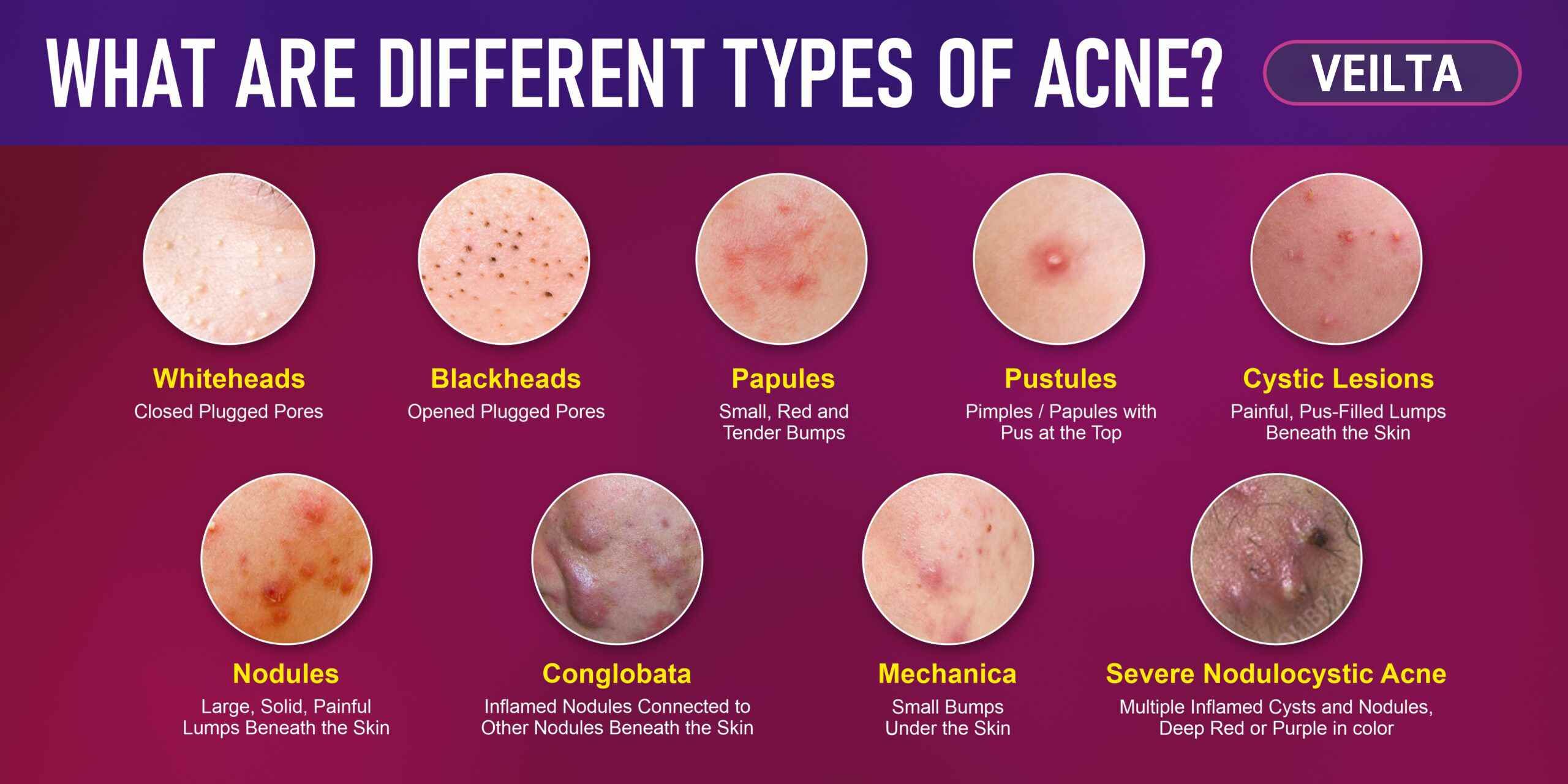
Cystic acne is frustrating for a simple reason: it doesn’t behave like a normal pimple.
There’s often no visible head, no surface opening, and nothing obvious to “treat.” The inflammation sits deeper under the skin, which is why many traditional spot treatments feel ineffective—or irritating.
So where do pimple patches fit into this picture?
Do they actually work on cystic acne, or are they being oversold?
The answer is more nuanced than a simple yes or no.
Most classic pimple patches were designed for surface-level blemishes. Hydrocolloid material works by absorbing fluid from an open or semi-open lesion, then creating a sealed environment that protects the skin while it heals.
Cystic acne, on the other hand, forms deeper in the skin. There’s usually no fluid available at the surface to absorb, which means a standard hydrocolloid patch often has very little to work with.
This is where much of the confusion comes from. People apply a patch, see no “white cloud,” and assume the product doesn’t work at all.
In reality, it’s doing very little because the target isn’t accessible.
While pimple patches aren’t a direct treatment for cystic acne, there are situations where they can still be useful.
One common scenario is early inflammation. When a cyst is just starting to form—tender, slightly raised, but not fully developed—a patch can help protect the area from friction, bacteria, and repeated touching. This doesn’t remove the cyst, but it may prevent it from getting worse.
Another case is during the healing phase. Once a cyst has flattened or begun to surface, a patch can reduce secondary irritation and support recovery, especially if the skin barrier is compromised.
In both situations, the patch acts more as a protective tool than a treatment.
Microneedle patches are often marketed as the solution for cystic acne, and in some cases, they can offer more benefit than classic hydrocolloid patches.
These patches use tiny, dissolvable needles to deliver active ingredients slightly below the surface of the skin. For early-stage cystic acne, this can help introduce anti-inflammatory or soothing ingredients closer to where the inflammation sits.
That said, expectations still matter.
Microneedle patches are not a replacement for prescription treatments or professional care. They may reduce discomfort or shorten recovery time, but they are unlikely to eliminate a fully developed cyst on their own.
If a product claims otherwise, it’s probably overstating what topical delivery can realistically achieve.
When people say pimple patches don’t work on cystic acne, they’re usually reacting to one of these situations:
In these cases, the patch isn’t failing—it’s simply being used outside its ideal function.
Understanding this distinction helps avoid both disappointment and overuse.
Instead of asking whether pimple patches treat cystic acne, it’s more useful to ask what role they can play.
For most people, that role is limited but still relevant:
They’re best seen as a supportive tool, not a primary solution.
For persistent or painful cystic acne, topical patches—microneedle or otherwise—should be viewed as complementary rather than curative.
Pimple patches don’t “fix” cystic acne in the way they fix surface-level pimples.
They can help in specific moments, especially early on or during recovery, but they aren’t designed to reach deep inflammation on their own. Knowing this upfront makes them far more useful—and far less frustrating.
Used with realistic expectations, pimple patches still have a place in acne care. Just not every type of acne, and not in every stage.