Primary and secondary packaging designed, proofed and printed in our own plant — so your formula and its container ship from the same dock, on the same schedule.
Packaging fundamentals
Packaging is not a finish line after the formula is done — it is a cost driver, a shelf-life limit and the first thing a buyer sees. We run packaging and filling under the same roof so the container and the product are specified together.
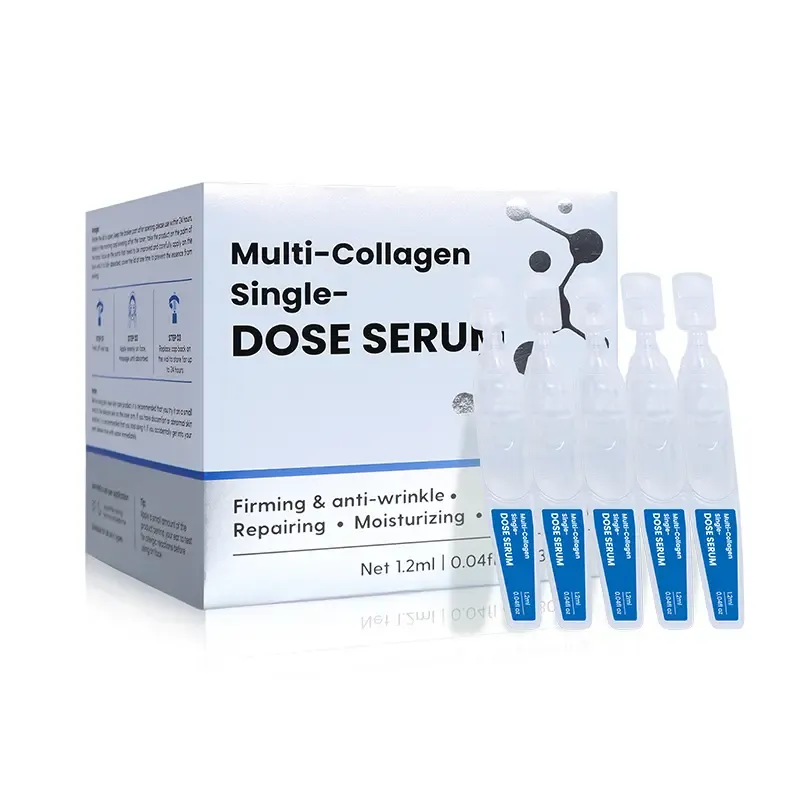
The two numbers most brands underestimate are how much packaging adds to unit cost, and how much it limits shelf life. Across the categories we manufacture, primary packaging typically sits at 25–35% of landed unit cost — often more than the formula itself. The choice between an aluminium-laminated sachet and a clear film pouch is not cosmetic: the laminated structure buys a 24–36 month shelf life, while clear film runs shorter and costs less.
Swipe the table →
| Parameter | Typical production range |
|---|---|
| Minimum order | 3,000–5,000 pieces per printed design, depending on structure |
| Print method | Offset, flexo, silk-screen, hot stamp, digital short run |
| Finishes | Matte, gloss, soft-touch, spot UV, foil stamping |
| Structures | Sachet, folding carton, bottle, jar, airless pump, tube |
| Proof turnaround | 5–7 working days for a digital proof, 7–10 with a physical dummy |
| Print lead time | 10–15 working days after proof approval |
| Shelf life (laminated) | 24–36 months, with real-time stability data |
The proof stage is where schedules are won or lost. A digital proof confirms colour intent; a physical dummy confirms feel, fold and fit. We do not release print until the physical proof is signed — colour on a screen is not a proof.
Fix the structure before the artwork. The structure (sachet vs jar vs airless) sets the cost band, the filling line and the carton size. Artwork is cheap to iterate; changing structure late re-opens the filling validation.
Format selection
Different product formats need different containers. The table below maps the formats we run to the products they suit, so the choice is a trade-off you can see rather than a guess.
Swipe the table →
| Format | Best for | Shelf-life implication | Relative cost |
|---|---|---|---|
| Aluminium-laminated sachet | Eye patches, sheet masks, single-dose serum | Longest — 24–36 months | Low |
| Clear film pouch | Low-cost, shorter-life masks | Shorter | Lowest |
| Folding carton | Multi-pair boxes, gift sets | Depends on inner primary | Low–mid |
| PET jar | Creams, balms, scrubs | Requires inner seal | Mid |
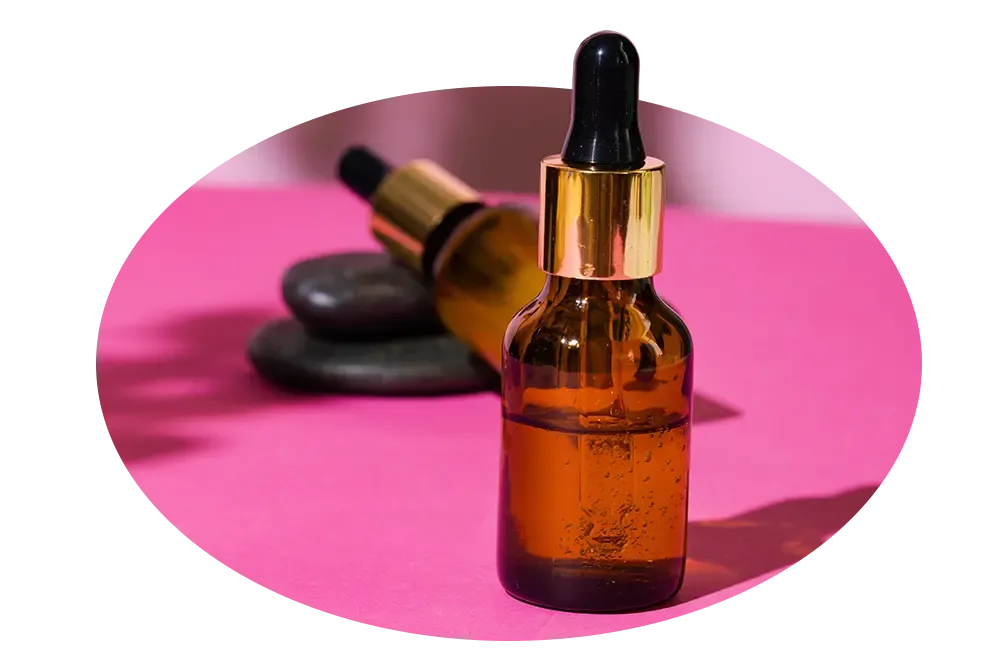
| Glass bottle | Serums, oils, premium positioning | Long, but heavy to ship | High |
| Airless pump | Serums, creams needing dose control | Long, protects actives | High |
| Vacuum tube | Creams, gels | Good | Mid |
Sachet to jar removes the single-dose convenience but signals a different retail tier. A jar needs an inner seal and a wider fill-weight tolerance check; it also changes the carton from a simple wrap to a structured box.
Bottle to airless pump protects oxygen-sensitive actives (vitamin C, retinol derivatives) and gives dose accuracy, but adds a component and roughly 20–40% to packaging cost. Reserve it for formulas that justify the claim.
Glass vs PET is a freight and breakage decision as much as a look. Glass photographs better and reads premium, but weighs more per unit and raises damage-claim risk on long-haul lanes.
Customisation scope
Nearly every element of packaging is customisable. The practical limit is minimum order and print-run setup — each new colour, finish or die adds a fixed cost that must be amortised across the run.
Swipe the table →
| Element | Options | Effect on minimum order |
|---|---|---|
| Structure | Sachet, carton, bottle, jar, airless, tube | Fixed by format, not volume |
| Offset, flexo, silk-screen, hot stamp, digital | Standard at base MOQ | |
| Finish | Matte, gloss, soft-touch, spot UV, foil | +500–1,000 pieces per finish |
| Colour | Pantone match or process | Included for standard; +setup for special inks |
| Logo / label | Printed label, direct print, shrink sleeve | Printed label at base MOQ |
| Insert | Leaflet, thank-you card, tester | Adds a station in packing |
Foil stamping reads as premium in photography and survives on a shelf far longer than a printed metallic ink. It is the single most photographed finish.
Soft-touch matte changes the feel in the hand — the difference buyers notice when they pick the product up in store. It costs little but must be tested for scuff resistance.
Direct print on the container removes the label seam and looks more "designed", but locks you into a per-design minimum. A printed label is more flexible for a brand running many SKUs on one container.
We push back on bespoke structural tooling (custom bottle moulds, custom jars) for first orders under 20,000 pieces. Mould cost is real money and rarely amortises on a test run. Start from a stock container with custom decoration, validate the market, then invest in a mould on reorder.
01
Brief and structure selection
Send the product format, target retail position, order quantity and any reference packaging. We confirm the structure and the print method within two working days.
02
Design and dieline
Our design team lays out artwork against the dieline, or works from your supplied artwork. You get a digital proof first, then a physical dummy for feel and fit.
03
Feedback and revisions
Two rounds of revisions are included. Colour, copy and layout changes are quick; structural changes re-open the dieline and are quoted separately.
04
Final approval and production
Once the physical proof is signed, printing and filling run on the same schedule so the finished product ships together — no split lead times.
Commercials
Packaging cost is driven by structure, print method and run length. The bands below are typical for a printed sachet or folding carton in our plant.
Swipe the table →
| Order quantity | Relative unit cost | Print lead time |
|---|---|---|
| 3,000–4,999 pieces | Highest | 10–15 working days |
| 5,000–19,999 pieces | Mid | 15–20 working days |
| 20,000–49,999 pieces | Lower | 20–25 working days |
| 50,000+ pieces | Lowest | Scheduled per project |
Design and dieline work is charged at cost and credited against the bulk order. Physical dummies ship with the sample product so you judge the whole package, not the artwork in isolation. We do not refund tooling once a mould or die has been cut — that cost is real and cannot be recovered.
Quotes take one to two working days when the enquiry includes: product format, target order quantity, packaging structure, print method and required ship date. Without the structure we can only quote a band, because primary packaging is 25–35% of unit cost.
Quality and compliance
Packaging quality is checked at three points: incoming material, in-line print and finished carton. What separates a reliable supplier is whether those checks are recorded per lot and whether you can obtain them after delivery.
Swipe the table →
| Document | What it covers | When issued |
|---|---|---|
| Dieline | Structural layout for artwork | Before design |
| Print proof | Colour and layout reference | Before production |
| COA (material) | Substrate and foil specification | With shipment |
| Migration / barrier data | For food-adjacent or aggressive formulas | On request |
| Batch record | Print and fill traceability | With shipment |
Packaging carries the legal text — ingredient list, batch code, expiry and any claims. We will not print a claim the formula cannot support, and we check label text against the target market's requirements at proof stage. Retrofitting a claim after print is the most common cause of a scrapped run.
Buyer's checklist
Many suppliers describe the same packaging capabilities. These six questions get at the things that actually differ, and the answers are hard to fake.
The packaging questions buyers ask during evaluation, answered with the numbers we work to.
3,000 to 5,000 pieces per printed design, depending on structure. A printed label has the lowest minimum; direct print on a container locks you into a higher per-design minimum because the setup is on the container itself, not a separate label stock.
Design and dieline take 5–7 working days to a digital proof, and 7–10 with a physical dummy. Printing runs 10–15 working days after proof approval. The whole packaging track, from brief to finished carton, is typically 3–4 weeks.
Yes. Send print-ready artwork with fonts outlined and colours specified, and we will check it against the dieline. If it needs adjustment for bleed or safe area, we flag it before printing rather than after.
Single-pair sachets, 3/5/7-pair folding cartons, jars, metal tins and bulk poly bags. Sachet material can be aluminium-laminated for a 24–36 month shelf life or clear film for a lower-cost, shorter-life product. Packaging structure drives 25–35% of unit cost, so it is worth fixing early.
Yes, materially. An aluminium-laminated sachet supports a 24–36 month shelf life, while clear film runs shorter and costs less. Aggressive or oxygen-sensitive formulas need a barrier structure and possibly an airless or sealed container.
Yes. Foil stamping, soft-touch matte, spot UV and gloss are all available. Each finish adds a setup to the print run, so they are best consolidated on the same design rather than spread across many small runs.
We check the ingredient list, batch code, expiry and any claims against the target market at proof stage. We will not print a claim the formula cannot support. Final regulatory sign-off for your market sits with your compliance contact, and we supply the inputs they need.
Yes, but the strongest value is ordering them together. When packaging and filling run on the same schedule in the same plant, the finished product ships as one unit and you avoid the split lead times that come from coordinating two suppliers.
Across the categories we manufacture, primary packaging typically sits at 25–35% of landed unit cost — often more than the formula. That is why we quote packaging and formula together, so the trade-offs are visible rather than buried.
Yes. We supply material COAs, migration and barrier data where relevant, print proofs and batch records with each shipment. Food-adjacent or aggressive formulas get additional testing on request.
Send us your brief and we will come back with a formulation direction, a realistic MOQ and a production schedule.