VEILTA
03/03/2026
It’s a familiar situation.
You feel a bump forming under your skin. It’s slightly tender, maybe a little red — but there’s no visible head. No opening. Nothing to “extract.”
So you reach for a pimple patch and hesitate.
Do you wait?
Or can you put it on before the pimple comes to a head?
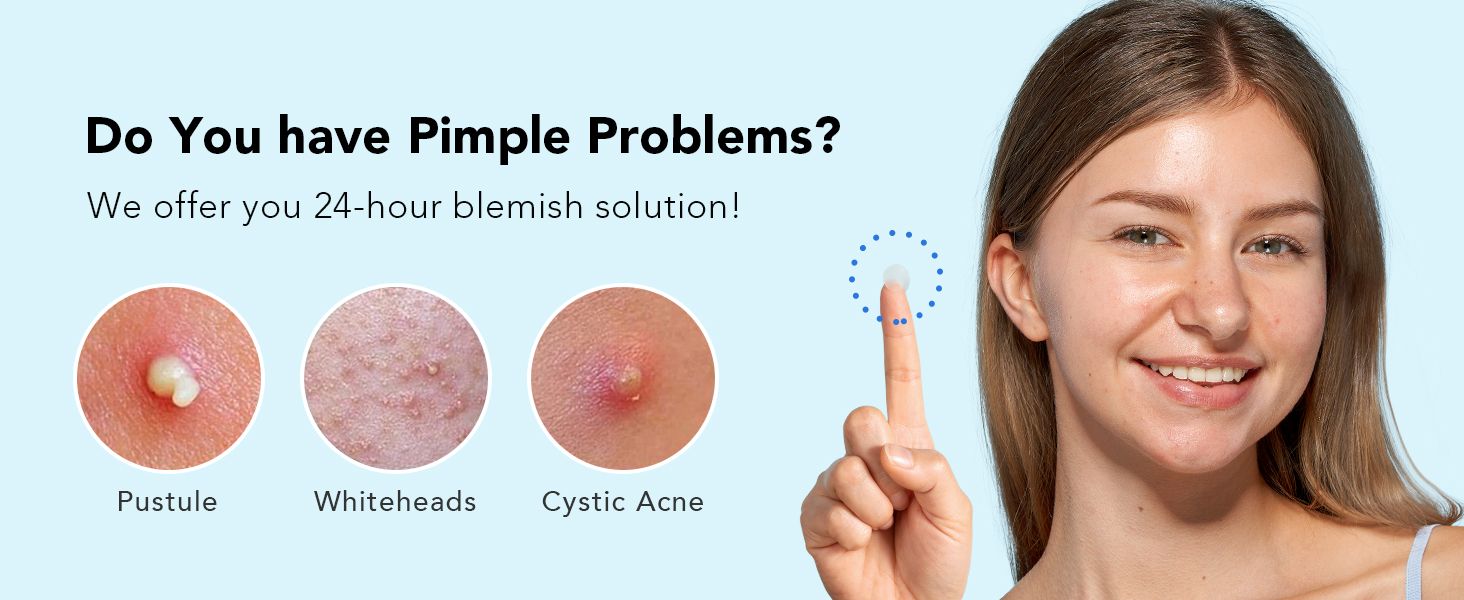
The short answer: yes, you can use a pimple patch on an unpopped pimple — but whether it actually does anything depends on what kind of blemish you’re dealing with.
Most classic pimple patches are made of hydrocolloid material. Hydrocolloid works by absorbing fluid from the surface of the skin and creating a moist, protected environment that supports healing.
This process requires something to absorb.
When a pimple has a visible whitehead or has already been opened, there’s fluid present. That’s why you see the patch turn white — it’s interacting with exudate from the blemish.
But when a pimple is still closed and sitting under the skin, there may be little to no surface fluid. In that case, a standard hydrocolloid patch doesn’t have much to work with.
It’s not that the patch is ineffective — it’s just not interacting with anything yet.
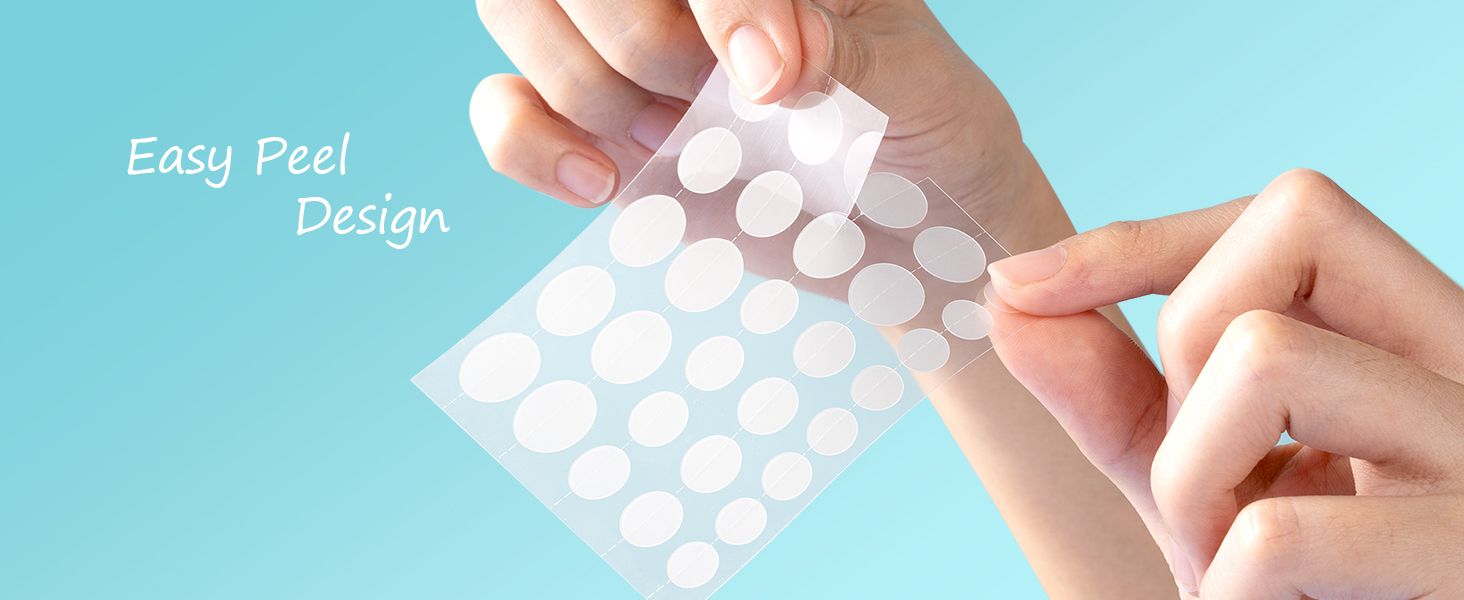
Even without a visible head, there are situations where putting on a patch makes sense.
If the bump is raised and irritated, a patch can act as a protective barrier. It reduces friction from masks, hair, or fingers. It also discourages touching or picking — which, for many people, is half the battle.
In early-stage pimples that are close to the surface, wearing a patch overnight may help draw fluid forward more quickly. The results won’t always be dramatic, but some people find the blemish comes to a head faster.
In this context, the patch isn’t extracting anything yet — it’s protecting and stabilizing the area.
If the pimple feels deep, painful, and firm with no visible center, it may be forming deeper in the skin. In these cases, a standard hydrocolloid patch is unlikely to change its course significantly.
You might not see the “white cloud” effect.
You might remove the patch hours later and see no difference at all.
That’s normal.
For deeper or cyst-like blemishes, surface absorption simply isn’t enough.
Some newer patches include ingredients like salicylic acid or use dissolvable microneedles to deliver actives slightly below the surface.
These can sometimes be more helpful for early, unpopped pimples — particularly if inflammation is the main issue.
Still, expectations matter. Even active-infused patches won’t instantly flatten a deep lesion. They may reduce redness or shorten the lifespan of a blemish, but they’re not a guaranteed fix.
If the pimple is:
A patch can be worth trying.
If it’s:
A patch may offer protection, but not much visible change.
In both cases, wearing one overnight is generally safe as long as the skin is clean and dry before application.
You don’t have to wait for a whitehead before using a pimple patch. Applying one early won’t harm the skin, and in some cases, it can prevent the blemish from getting worse.
Just keep expectations realistic.
Pimple patches work best when there’s something to absorb. When there isn’t, their role shifts from extraction to protection — and that distinction makes all the difference.