VEILTA
02/06/2026
In the past, under-eye patches were mostly about function.
Hydration, cooling, dark circle care — almost every product on the market promised the same benefits.
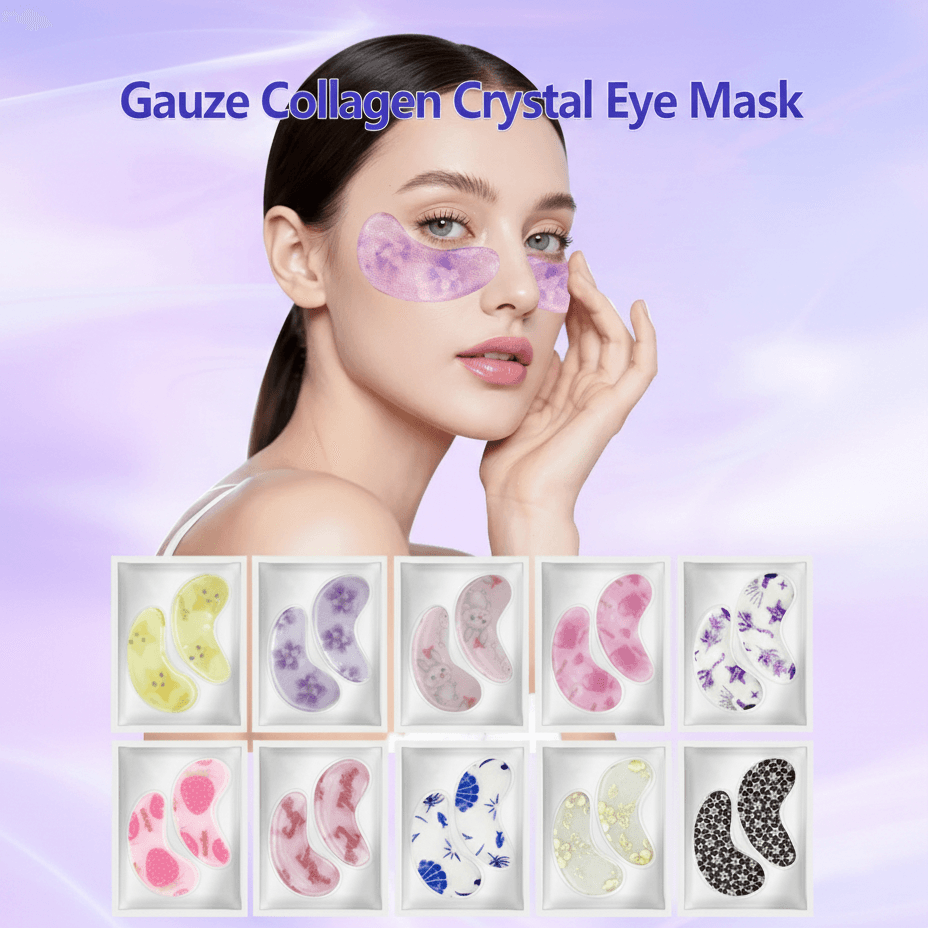
But today, especially for private label and OEM skincare brands, looking different matters almost as much as working well. This is one of the main reasons custom printed hydrogel eye patches have started to gain serious attention in the B2B market.
They are no longer just an “extra design option”, but a practical way to stand out.
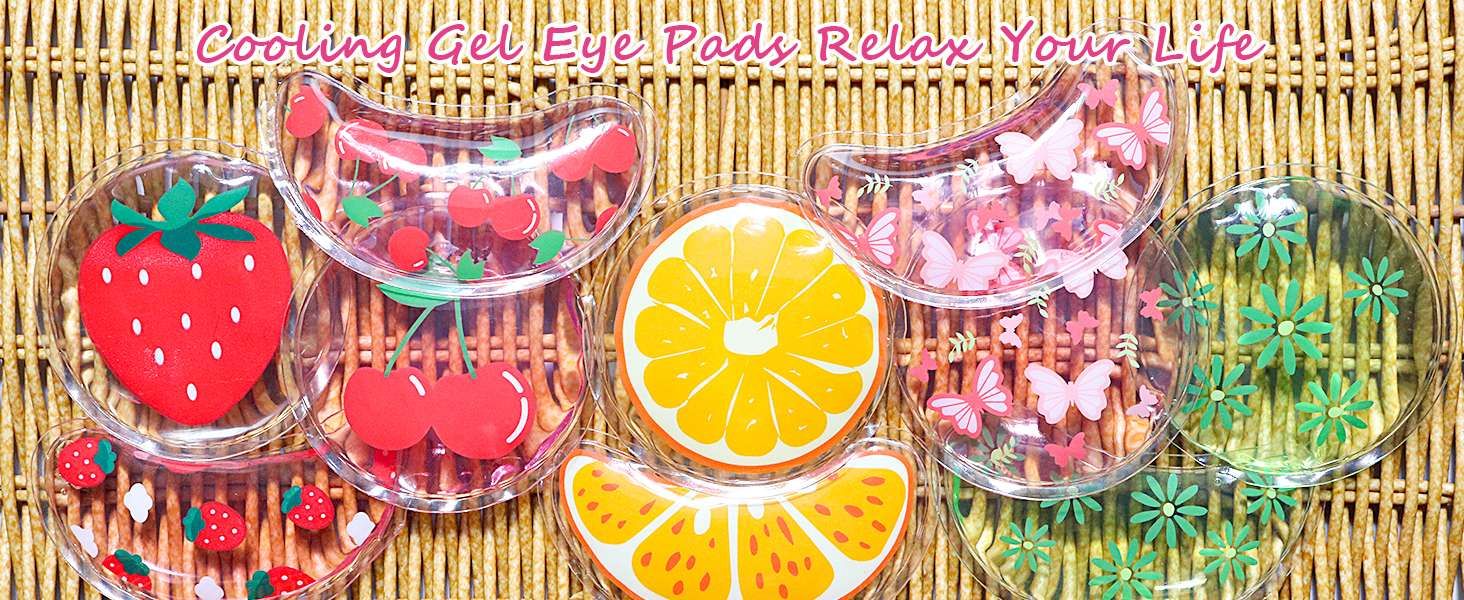
From a sourcing perspective, eye patches are one of the most competitive categories.
Hydrogel formulas, collagen blends, and cooling effects are widely available, which makes it difficult for brands to rely on function alone.
Printed eye patches change that logic.
By adding patterns, icons, or brand logos directly onto the patch, brands turn a standard under-eye product into something recognizable. Even small design details can make a product feel intentional rather than generic.
For buyers and distributors, that difference is immediately visible.
Not every material works well for printing. Hydrogel has become the preferred choice for a reason.
Compared to fabric or non-woven materials, hydrogel offers:
Because hydrogel holds a high water content, it also supports the cooling and hydrating experience consumers already expect from eye patches. The visual upgrade does not come at the cost of performance.
One misconception is that printed eye patches are mainly decorative.
In reality, most brands choosing custom printing still prioritize skin benefits.
Typical formulas focus on:
Ingredients like hyaluronic acid, collagen, niacinamide, or peptides are commonly used. The printed design simply adds another layer of value on top of a familiar skincare routine.
Where printed eye patches really stand out is flexibility.
Brands often use them for:
Because the patch itself carries the design, brands don’t have to rely only on outer packaging to communicate a message. This is especially useful in unboxing videos or content where the product is shown during use.
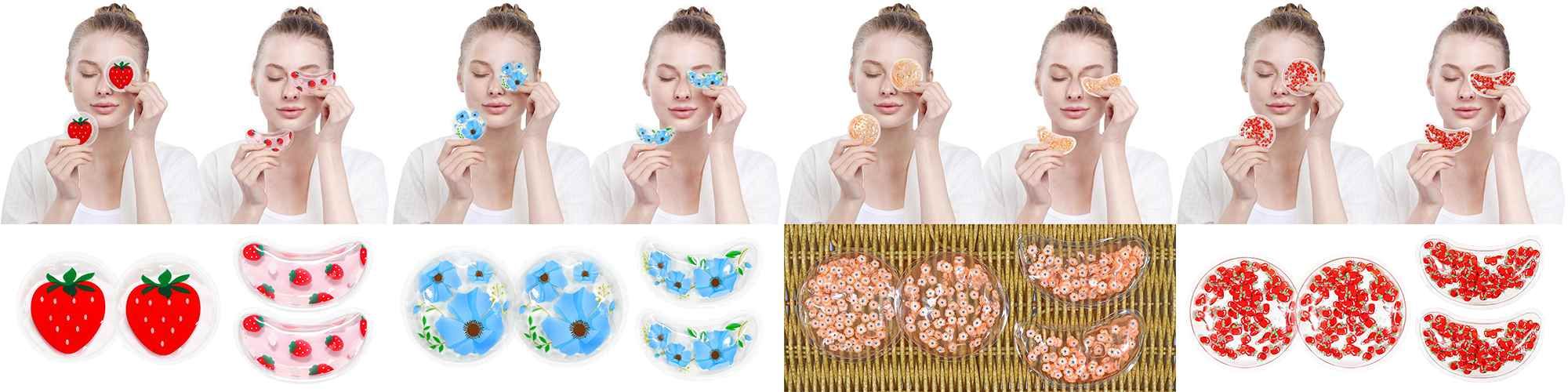
From an OEM standpoint, printed eye patches are easier to scale than many brands expect.
Most manufacturers can support:
This makes the product suitable not only for large brands, but also for smaller labels testing the market with limited editions.
As sustainability becomes a stronger purchasing factor, many buyers now ask about biodegradable or vegan options.
Printed eye patches can be developed using:
This allows brands to align visual creativity with environmental positioning, rather than choosing one over the other.
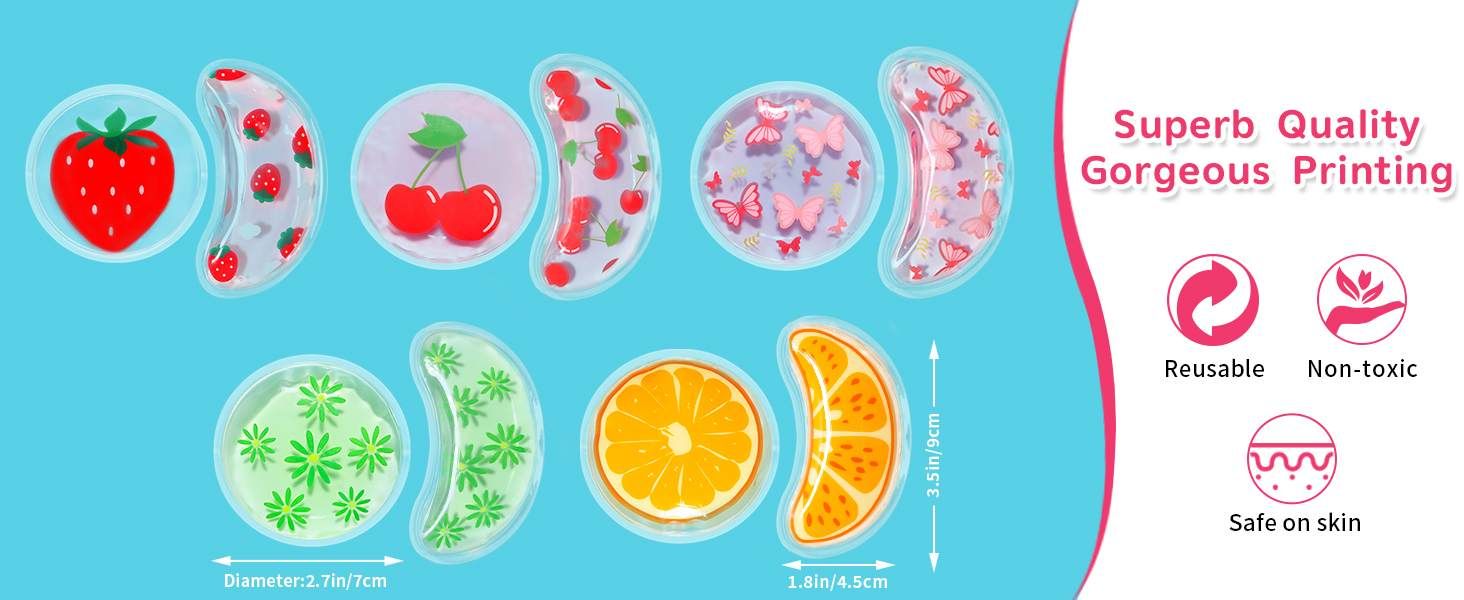
Because printing on such a delicate, ultra-thin hydrogel membrane is a highly specialized process, there are some common misunderstandings among buyers new to this product.
Not at all.
The printing on custom hydrogel eye patches is done directly onto the hydrogel layer itself — a moist, flexible, and very thin film. This requires advanced cosmetic-grade printing technologies that ensure the pattern adheres without compromising the patch’s softness, hydration, or skin adhesion.
This is far more complex than printing on boxes or paper sachets and represents a real technical barrier that sets this product apart.
When properly done, the printing uses skin-safe, cosmetic-grade inks applied in ultra-thin layers that do not interfere with the patch’s breathability or cooling effect.
Users feel the same comfortable, hydrating experience as with non-printed hydrogel patches, but with the added benefit of a visually distinctive design.
Yes.
The specialized printing techniques ensure the pattern remains intact throughout the product’s wear time, even with the patch’s natural moisture and movement on skin.
This durability differentiates it from common print methods that would quickly fade or peel off in such conditions.
While the technology is more complex, many OEM manufacturers have optimized this process to offer competitive pricing and reasonable minimum order quantities for private label and emerging brands.
Understanding the technical requirements early helps brands appreciate the value of this innovation rather than seeing it as a cost burden.
Branding on the product — especially during actual use — significantly increases brand recall and social media engagement.
Because the hydrogel patch is visible during wear, a printed pattern or logo becomes a unique marketing asset that packaging alone cannot provide.
Printing on hydrogel patches requires precision equipment that can handle the patch’s moisture content and delicate texture without damaging it.
This advanced printing process is a key differentiator for brands wanting to combine skincare performance with distinctive visual branding.
In wholesale and private label discussions, custom printed eye patches often change the tone of negotiation.
They help brands:
Instead of competing only on cost, brands gain another dimension to justify positioning and pricing.
Custom printed hydrogel eye patches are not a trend for every brand — but for many, they solve a very real problem: differentiation.
They combine familiar skincare benefits with a visual identity that is hard to ignore. In crowded B2B markets, that combination can make a meaningful difference.
For brands looking to move beyond “another eye patch”, custom printing is becoming a practical and strategic option rather than a novelty.