VEILTA
11/15/2025
TL;DR — Why the Science Matters for Your Brand The brand examples referenced throughout this guide are composite illustrations based on common patterns we've observed across the category. Details have been simplified and anonymized to illustrate typical scenarios rather than represent specific identifiable clients.
Most eye patch brands don't know why their product works—they just know it does. That's a problem. Silicone occlusion technology is the actual mechanism that makes reusable patches effective, and understanding it gives you three things your competitors don't have: a credible product story, defensible marketing claims, and content that educates rather than just promotes. In a market flooded with "miracle" claims, science-backed messaging is the differentiator that actually holds up.
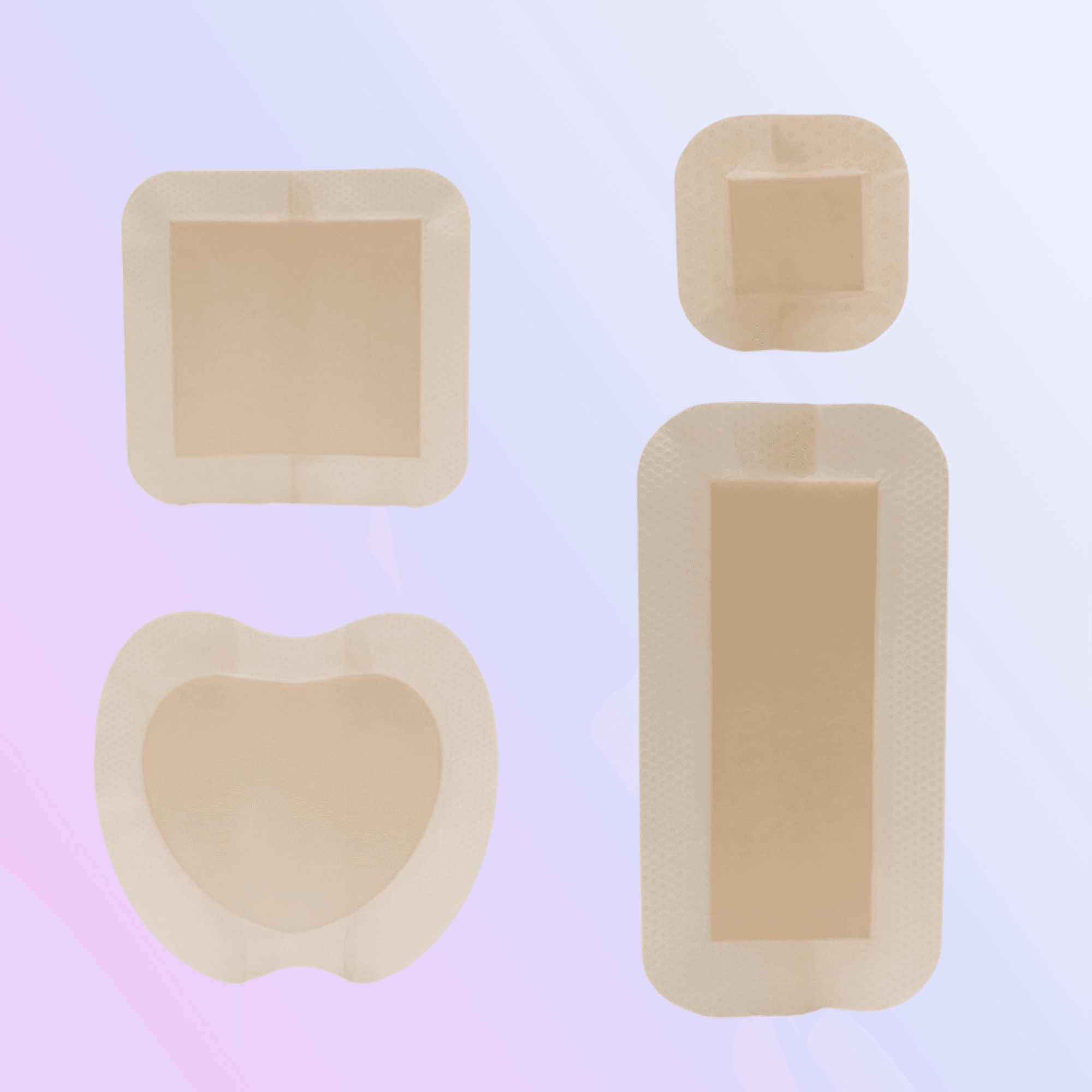
Silicone occlusion isn't new. It was originally developed in the 1980s for burn treatment and scar management. Doctors noticed that covering healed burn sites with medical-grade silicone sheets led to smoother, more hydrated skin. The mechanism was simple but powerful: the silicone created a semi-occlusive barrier that trapped moisture against the skin's surface.
Flash forward to today, and that same principle has made its way into consumer skincare—specifically, reusable silicone eye patches. The patch doesn't deliver active ingredients. Instead, it creates an environment that makes your skin work better on its own.
The skincare industry hasn't done a great job explaining this to consumers. Most product pages say something vague like "locks in moisture" or "boosts absorption." The actual science is more specific and more interesting than that.
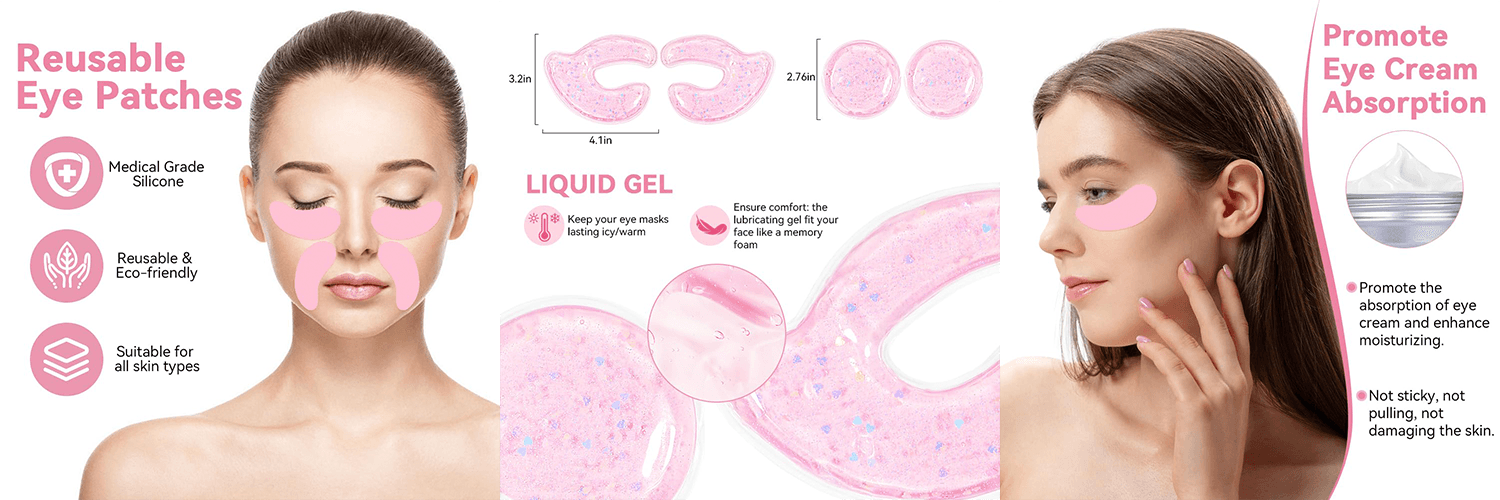
When a silicone patch contacts skin, it forms a semi-permeable membrane. This membrane is gas-permeable (oxygen and water vapor can pass through slowly) but liquid-proof. The result? A micro-environment is created between the patch and the skin where moisture can't escape the way it normally does.
TEWL stands for Transepidermal Water Loss—the rate at which water evaporates from your skin surface into the air. It's the single biggest factor in how your skin feels and looks. When TEWL is high, skin feels dry, tight, and shows fine lines more prominently. When TEWL is low, skin looks plumper, smoother, and more even in tone.
Silicone occlusion reduces TEWL by creating that physical barrier. The skin beneath the patch retains significantly more moisture than exposed skin. Studies on silicone scar sheets have measured TEWL reduction of 40–60% during application. The effect persists for hours after removal as the stratum corneum rehydrates.
Here's where it gets interesting for anti-aging claims. When the stratum corneum (the outermost skin layer) becomes more hydrated, it triggers a cascade of biological responses:
This last point is where most marketing claims come from. The evidence for collagen stimulation from occlusion alone is promising but not as robust as the evidence for hydration and barrier improvement. Smart brands understand the difference and don't overstate what the science supports.
Silicone occlusion for scar management has the most robust evidence base. Multiple randomized controlled trials have demonstrated that medical-grade silicone sheets improve scar appearance compared to no treatment and, in some studies, compared to other scar management options.
Key findings from the literature:
Studies measuring stratum corneum hydration under silicone materials consistently show significant increases:
This is where the evidence gets more nuanced. Studies on occlusion and collagen production exist but are smaller and less conclusive than the scar and hydration data.
This distinction reflects general dermatological consensus: the hydration and barrier benefits of silicone occlusion are well-supported, while anti-aging claims remain biologically plausible but less conclusively established. Brands making strong wrinkle-reduction claims based solely on occlusion risk overstating the evidence.
That's the honest assessment, and it's the one your brand should work with.
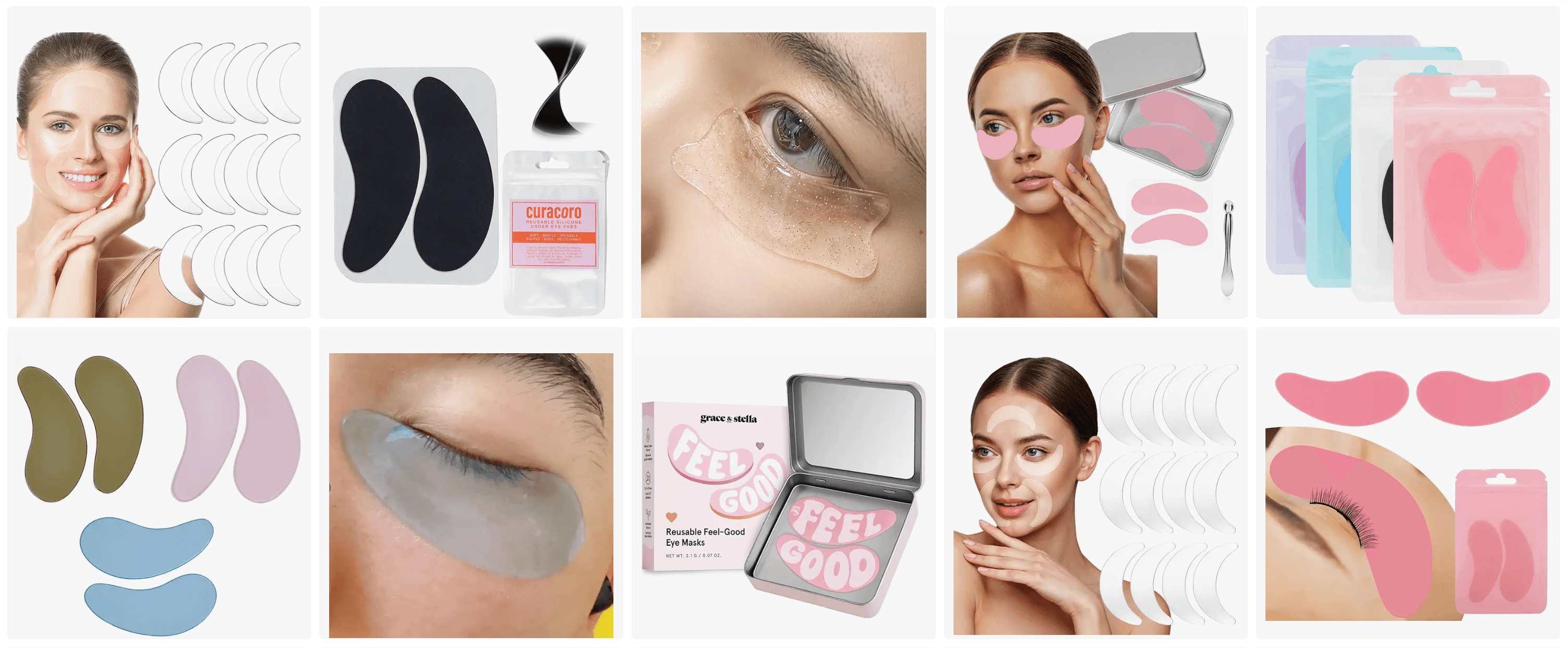
Not all silicone patches work the same way, and one of the biggest factors is the hardness of the material. Silicone hardness is measured on the Shore A scale—lower numbers mean softer material.
We tested three hardness grades with a partner brand last year. The soft silicone (Shore A 12) gave the best user experience ratings but showed visible deformation after 15 uses. The medium grade (Shore A 20) was nearly as comfortable and lasted 30+ cycles without issues. The firm grade (Shore A 30) had the worst comfort scores and didn't conform well to the under-eye area. For most brands, Shore A 18–22 is the sweet spot.
This is the kind of information you can use in your product marketing: "Our patches are engineered at Shore A 20 for optimal skin contact and 30+ uses of consistent performance." That's specific, credible, and most competitors won't be able to match it.
One of the most compelling marketing angles for reusable patches is their role as a "delivery system" for skincare actives. By creating an occlusive barrier, the patch can enhance the absorption of products applied underneath it.
A Korean beauty brand ran a small study comparing retinol absorption with and without silicone occlusion. Their dermatologist partner measured transepidermal retinol penetration and found approximately 25–30% higher levels under occlusion after 20 minutes. They used this data in their product education materials—and their "patch + retinol ritual" became their top-performing content theme on YouTube and TikTok.
The key insight: the patch doesn't just hydrate on its own. It makes your customer's existing skincare routine work better. That's a powerful value proposition that goes beyond "it's reusable."
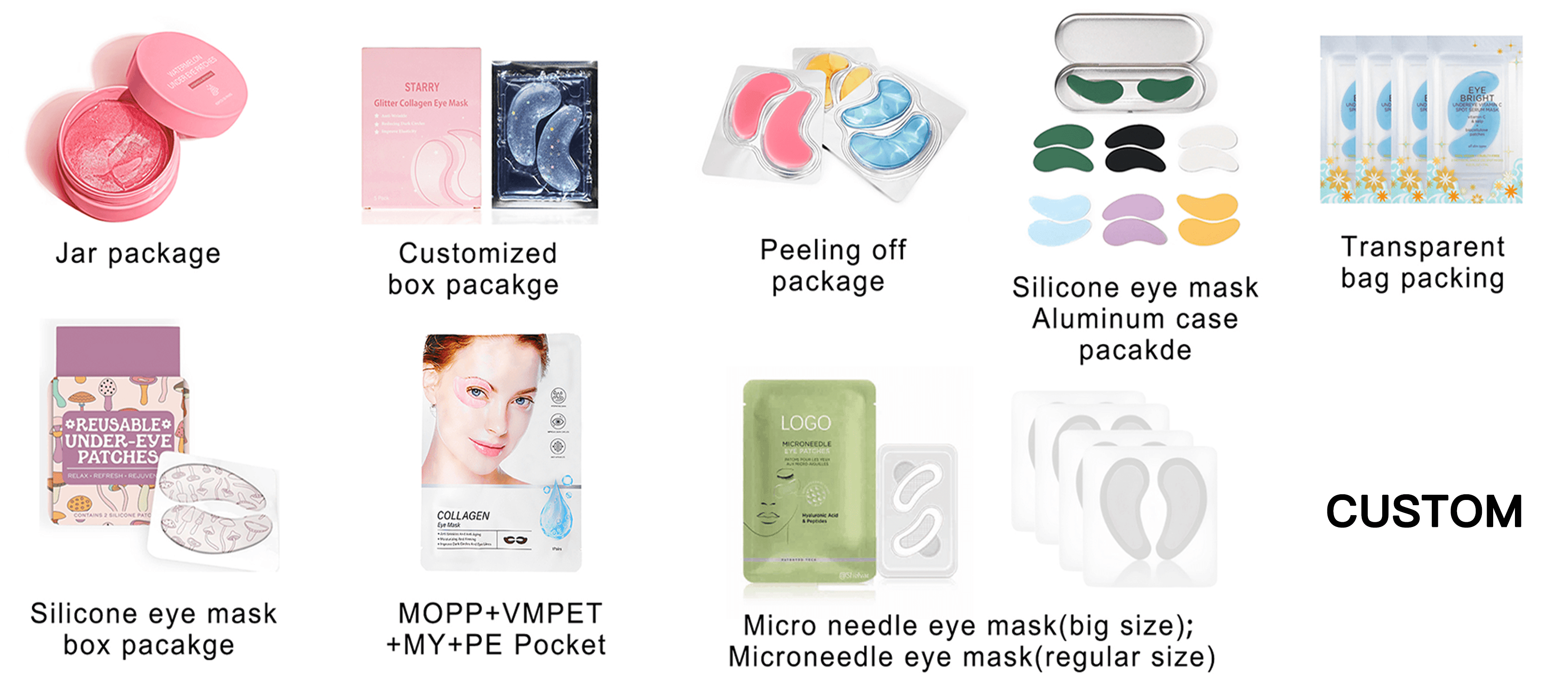
Here's where most brands stumble. They either over-explain the science (boring their audience) or dumb it down to the point of meaninglessness. The sweet spot is somewhere in between.
A US derm-approved brand used this framework on their product page. Their conversion rate was 35% higher than the industry average because they educated instead of just promoted. Customers felt like they understood why the product worked—which made them more confident in buying it.
Yes, but with nuance. The evidence for hydration improvement and barrier function is strong and well-documented across multiple studies. The evidence for anti-aging effects (wrinkle reduction, collagen stimulation) is biologically plausible but based on smaller, less definitive studies. Any brand making strong anti-aging claims based purely on occlusion without additional active ingredients is stretching the science.
They work differently. Hydrogel patches deliver ingredients that evaporate or absorb into skin. Silicone patches don't deliver ingredients—they create an occlusive environment that improves hydration and enhances absorption of products you apply separately. For ingredient delivery, hydrogel may have an edge. For sustained hydration and reusability, silicone wins. The best approach depends on what your customer values more.
We'd recommend caution. Hydration-based improvements (plumper skin, reduced appearance of fine lines caused by dryness) are defensible. Structural anti-aging claims (collagen stimulation, long-term wrinkle reduction) need stronger evidence than occlusion alone currently provides. Pair the patch with proven active ingredients like retinol or peptides, and you're on much safer ground.
Frame it as a "hydration seal" or "micro-climate" effect. Most consumers don't need to know about TEWL measurements—they just need to understand that the patch traps moisture where their skin needs it and helps their skincare products absorb better. Use specific numbers only when they're simple and compelling (like "lasts 30+ uses" or "works in 20 minutes").
Understanding silicone occlusion technology gives your brand something most competitors lack: a credible, science-backed product story. You don't need to turn every customer into a dermatologist. You just need to explain why your product works in language that's honest, specific, and easy to remember.
Before you develop marketing materials based on occlusion science, make sure your manufacturing partner can actually deliver the product quality to back up your claims. Read our guide on the reusable silicone eye patch OEM manufacturing process to understand how production decisions affect occlusion performance.
Once your product science is solid, you need to position it in a way that resonates with your target audience. See our framework on how to position and market reusable eye patches for brand strategy approaches that incorporate science storytelling.
Want to build a product story backed by real data? Request a science positioning consultation that covers: occlusion mechanism explanation for your customer base, claim validation framework, compliant marketing copy review, and clinical testing guidance.