VEILTA
03/12/2026
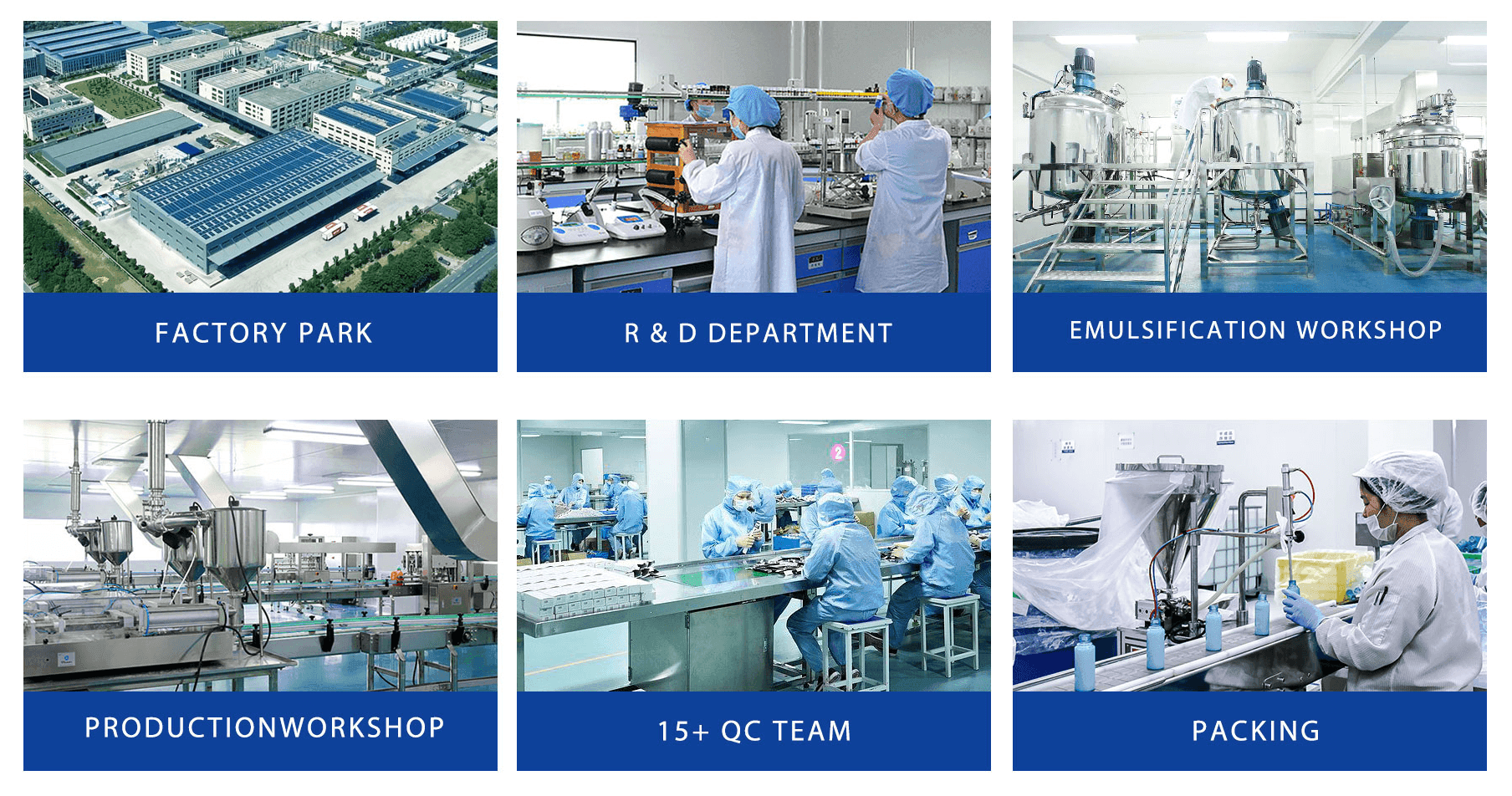 Hydrocolloid acne patch manufacturing line in a GMP skincare factory.
MOQ — minimum order quantity — is one of the first numbers a brand owner encounters when sourcing pimple patches. It's also one of the most misunderstood.
Ask ten manufacturers for their MOQ and you'll get ten different answers, quoted in different units, with different assumptions baked in. Some quote by patch count. Some by sheet. Some by carton. Some give you a number without explaining what it actually includes.
This guide explains how MOQ works for acne patch manufacturing, the differences between Chinese and Korean manufacturers, and how skincare brands can negotiate production terms that match their stage of growth.
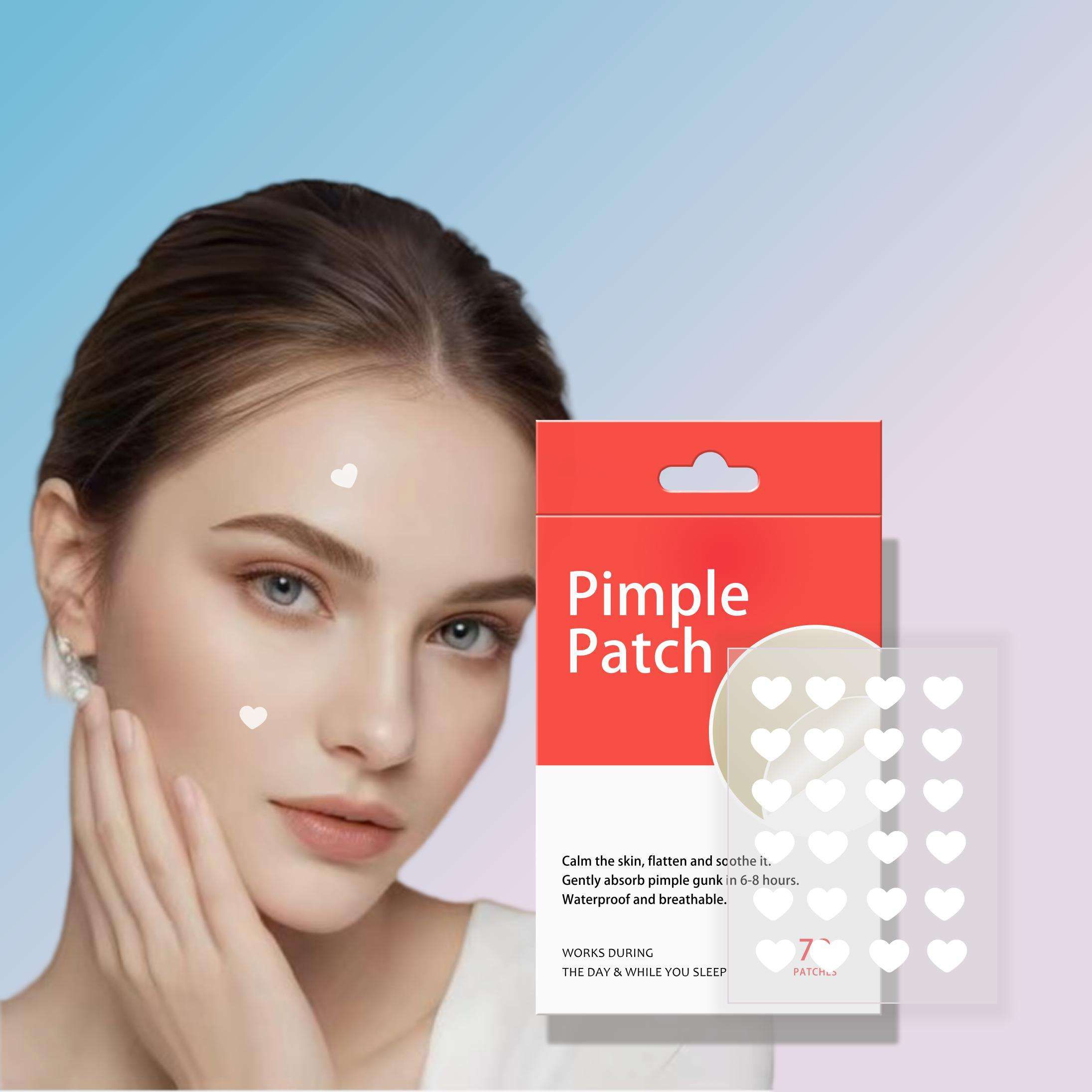
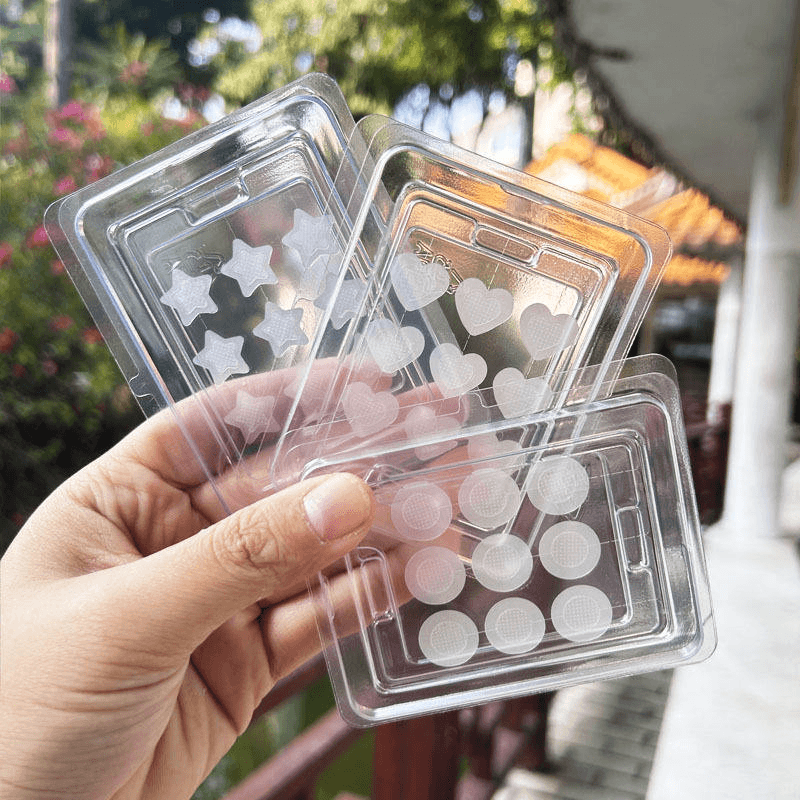
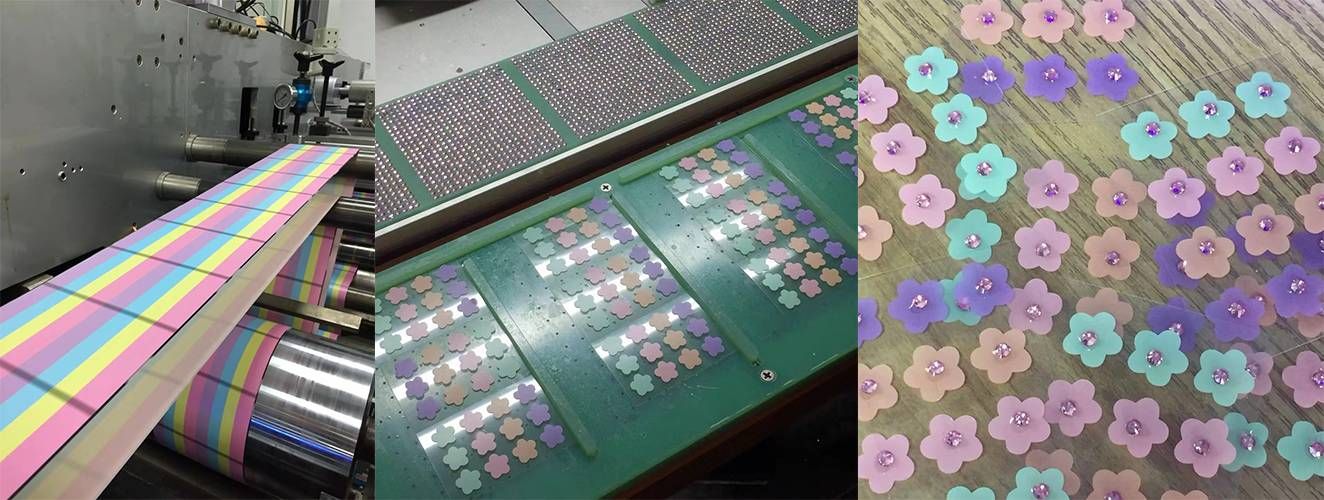 Hydrocolloid acne patches mounted on release liner sheets during manufacturing.
For most skincare products — moisturizers, serums, cleansers — MOQ is quoted per unit: a bottle, a tube, or a jar.
Acne patches are different.
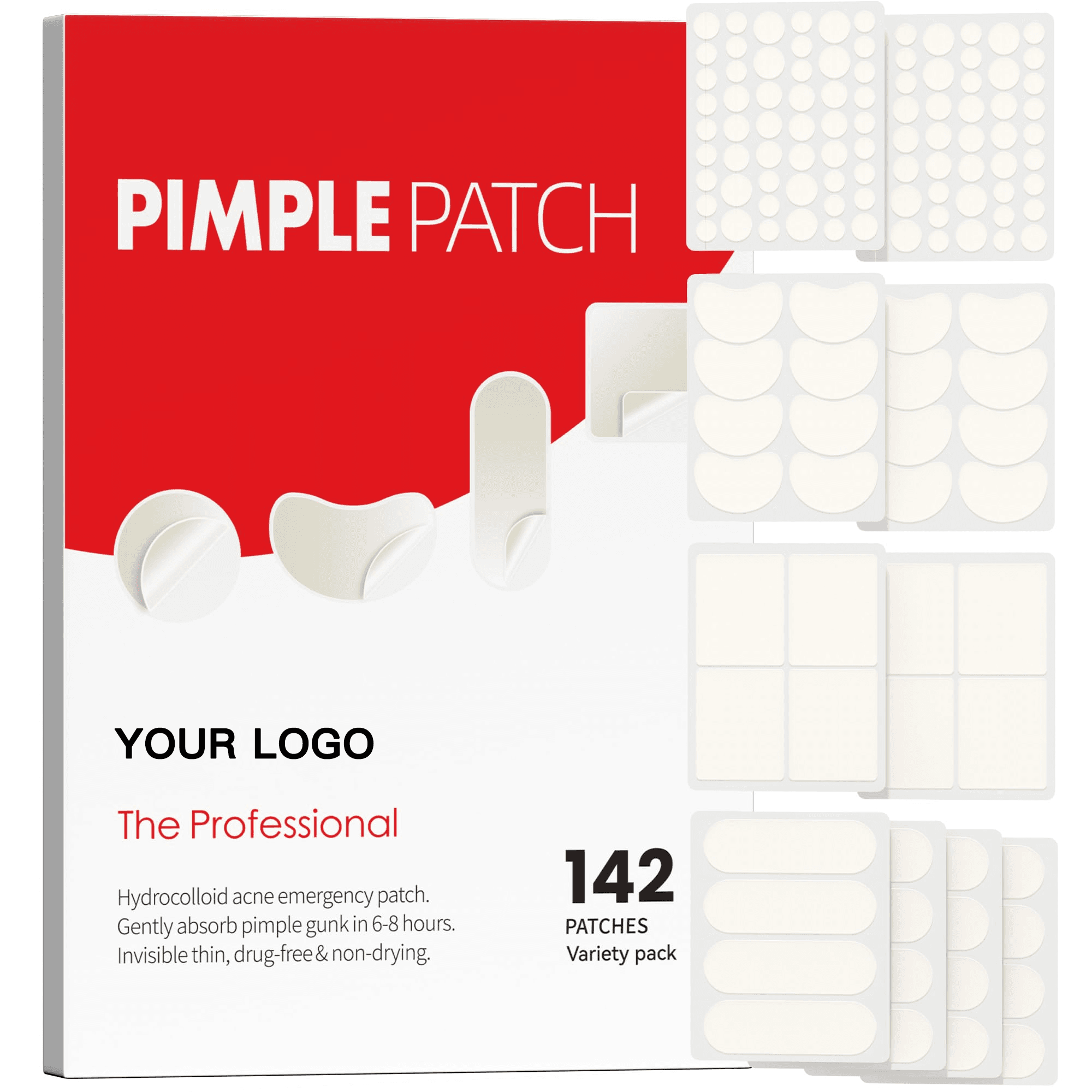
MOQ is typically calculated by sheet, meaning the backing card or release liner that holds the individual patches.
A single A5-sized sheet might contain:
This means an MOQ of 50,000 sheets could equal anywhere from 450,000 to over 1.8 million individual patches, depending on patch size.
Before comparing MOQ quotes, always confirm:
Without these details, MOQ comparisons are meaningless.
MOQ is not arbitrary. It reflects the fixed costs required to start a production run.
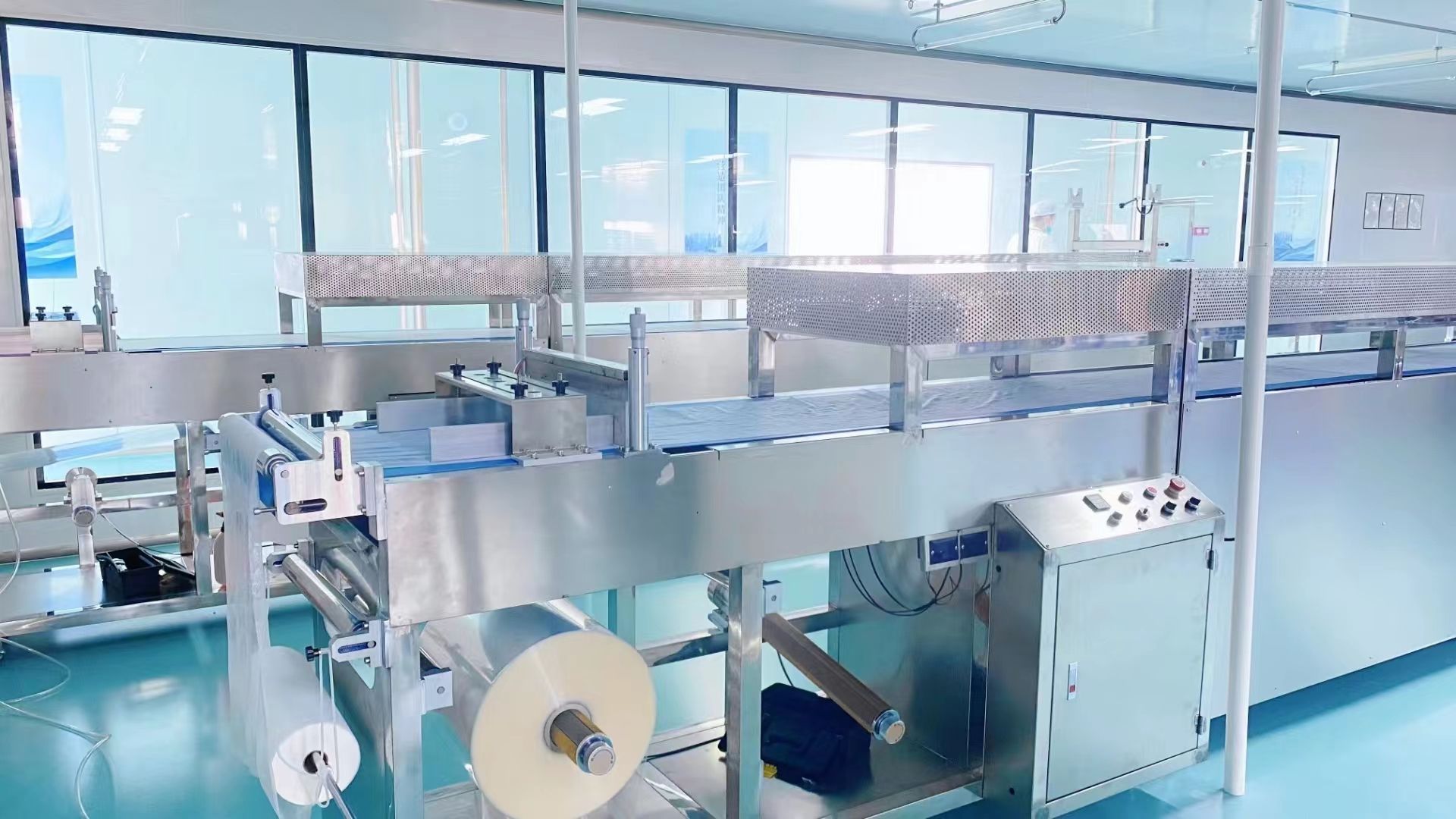 Die-cutting machines used to cut hydrocolloid acne patches into individual shapes.
Each patch shape requires a die-cutting tool.
Tooling costs must be amortized across the production run.
Hydrocolloid material and release liners are purchased in large rolls.
Raw material suppliers themselves have minimum orders, which sets a floor for how small a manufacturing run can be.
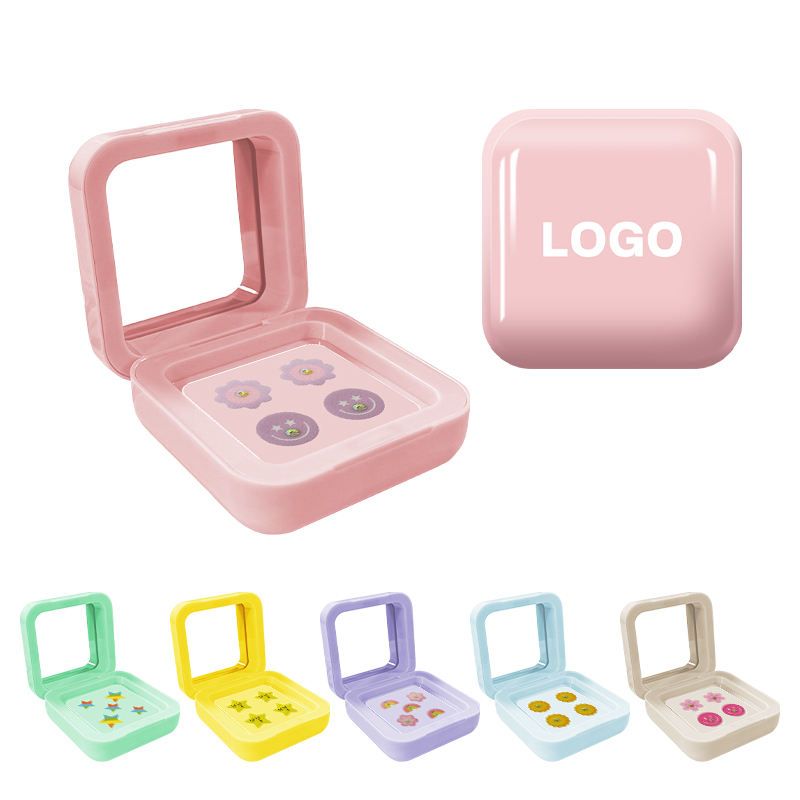
Custom packaging requires:
These setup costs are fixed regardless of order size.
Smaller orders therefore carry higher per-unit cost.
MOQ varies based on formulation.
Stock formulas
Custom formulas
These increase the minimum production size.
China and South Korea are both major global hubs for acne patch manufacturing, but their production models differ significantly.
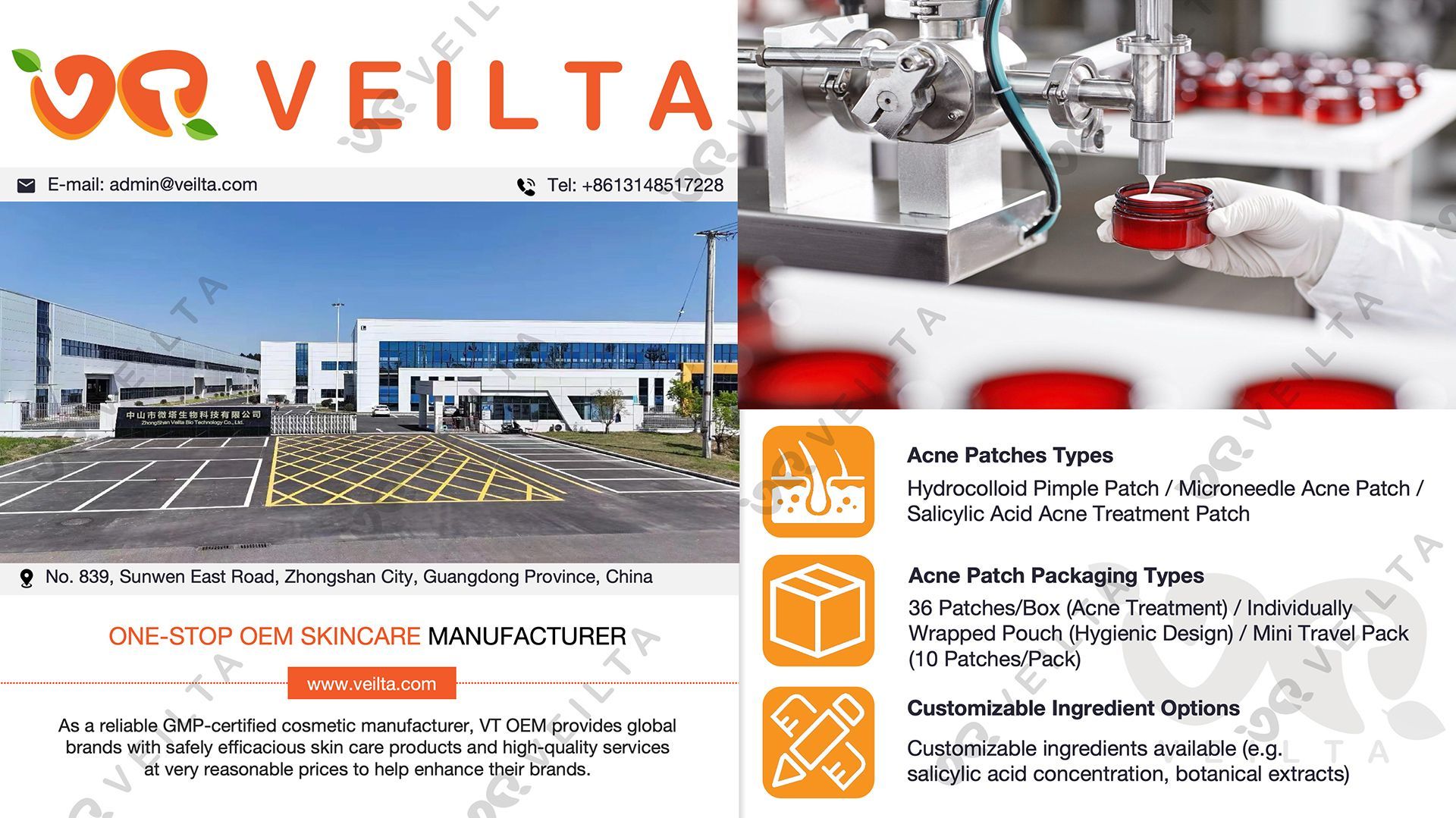 Large-scale acne patch manufacturing facility in Guangdong, China.
China — particularly Guangdong Province — is the world's largest cosmetics manufacturing region.
| Order Type | MOQ Range |
|---|---|
| Stock formula | 50,000–100,000 sheets |
| Custom formula | 100,000–300,000 sheets |
| Custom shapes | +50,000–100,000 sheets |
Available formats often include:
Typical production lead time:
25–35 working days
South Korea is globally known for K-beauty innovation and skincare R&D.
| Order Type | MOQ Range |
|---|---|
| Stock formula | 200,000–500,000 sheets |
| Custom formula | 500,000+ sheets |
| Microneedle patches | Often higher |
Major manufacturers such as large OEM groups typically serve established brands with significant production volume.
Typical production lead time:
30–45 working days
| Factor | China | Korea |
|---|---|---|
| MOQ (stock formula) | 50k–100k sheets | 200k–500k sheets |
| MOQ (custom formula) | 100k–300k sheets | 500k+ sheets |
| Per-unit cost | Lower | Higher |
| Lead time | 25–35 days | 30–45 days |
| Marketing value | Moderate | High |
| R&D capability | Strong | Very strong |
| Microneedle technology | Available | Highly developed |
| Flexibility for startups | High | Lower |
MOQ is often negotiable depending on order structure.
Using a proven formula eliminates R&D cost, which allows smaller initial orders.
Instead of fully printed packaging, consider:
This significantly lowers MOQ.
Standard circular patches avoid new die tooling costs.
Custom shapes can be introduced once the product scales.
Some manufacturers will reduce MOQ if a brand commits to a second order within a set timeframe.
Launching multiple products in one production run can reduce MOQ per SKU.
Lower MOQ almost always means higher unit cost.
Example scenario:
| Order Size | Setup Cost | Production Cost | Total Unit Cost |
|---|---|---|---|
| 50k sheets | $3,000 | $0.08 | $0.14 |
| 100k sheets | $3,000 | $0.07 | $0.10 |
| 300k sheets | $3,000 | $0.06 | $0.07 |
| 500k sheets | $3,000 | $0.055 | $0.061 |
For new brands, smaller orders reduce financial risk even if unit cost is higher.
| Brand Stage | Recommended Strategy | MOQ Target |
|---|---|---|
| Pre-launch | Stock formula + stock packaging | 30k–80k sheets |
| Launch | Stock formula + custom packaging | 50k–150k sheets |
| Growth | Custom formula | 150k–500k sheets |
| Established | Full ODM production | 500k+ sheets |
Before committing to an order, confirm:
These questions ensure you're comparing manufacturers on equal terms.
VEILTA is a professional acne patch manufacturer located in Zhongshan, Guangdong.
We support skincare brands with:
Contact our team to discuss your project:
Explore our acne patch products:
https://veilta.com/en/products
Most manufacturers require between 50,000 and 300,000 sheets, depending on customization.
Because patches are produced on release liner sheets, making sheet count the most accurate production unit.
Yes. Using stock formulas and standard packaging can significantly reduce MOQ.