VEILTA
01/20/2026
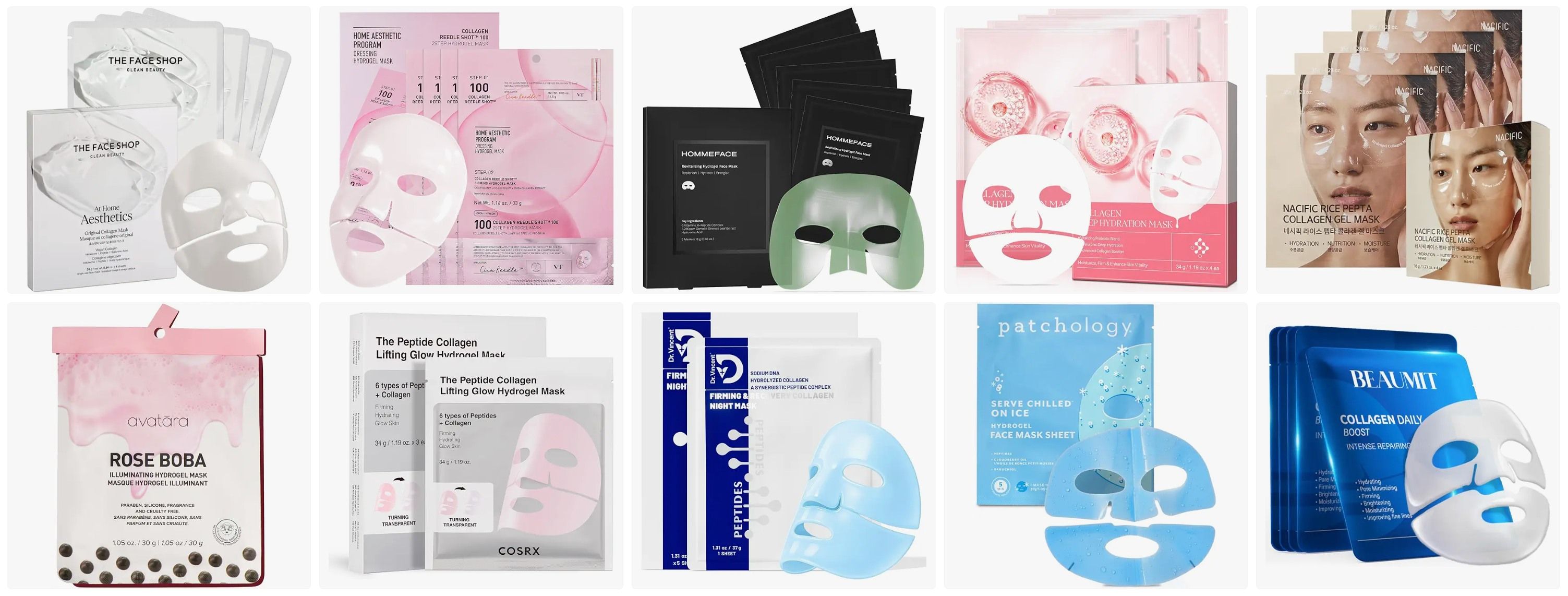
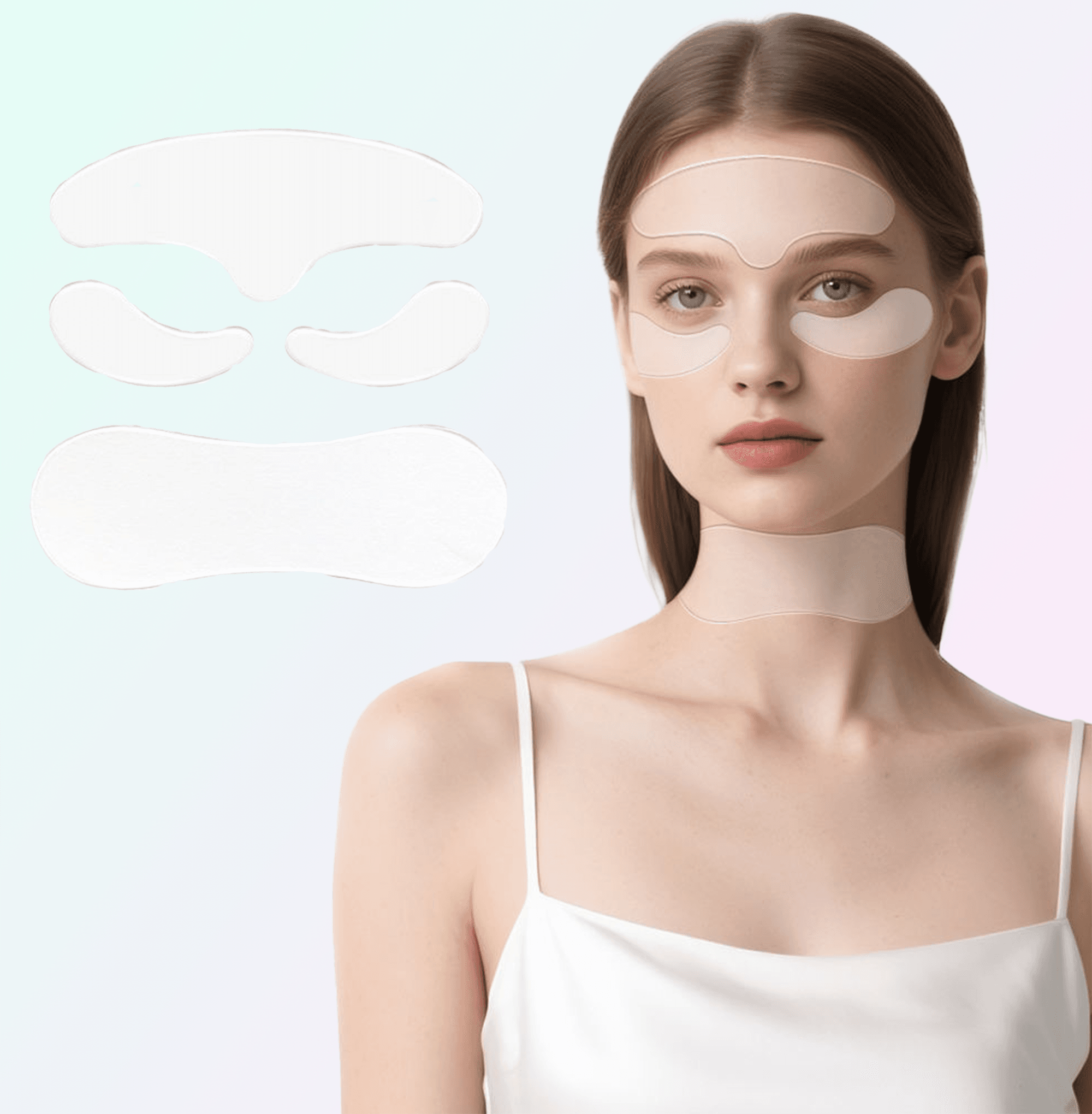
The global skincare industry continues to evolve toward higher-performance and more premium product formats. Among them, hydrogel face masks have rapidly gained traction due to their superior hydration performance, skin adhesion, and luxury consumer perception. For retailers, distributors, and private label brands, wholesale hydrogel face masks are no longer a niche category—they are becoming a strategic growth product.
With rising demand across the USA, Europe, and Asia-Pacific, understanding the hydrogel mask market, its advantages, and B2B sourcing considerations is essential for brands looking to expand or upgrade their facial mask portfolio.
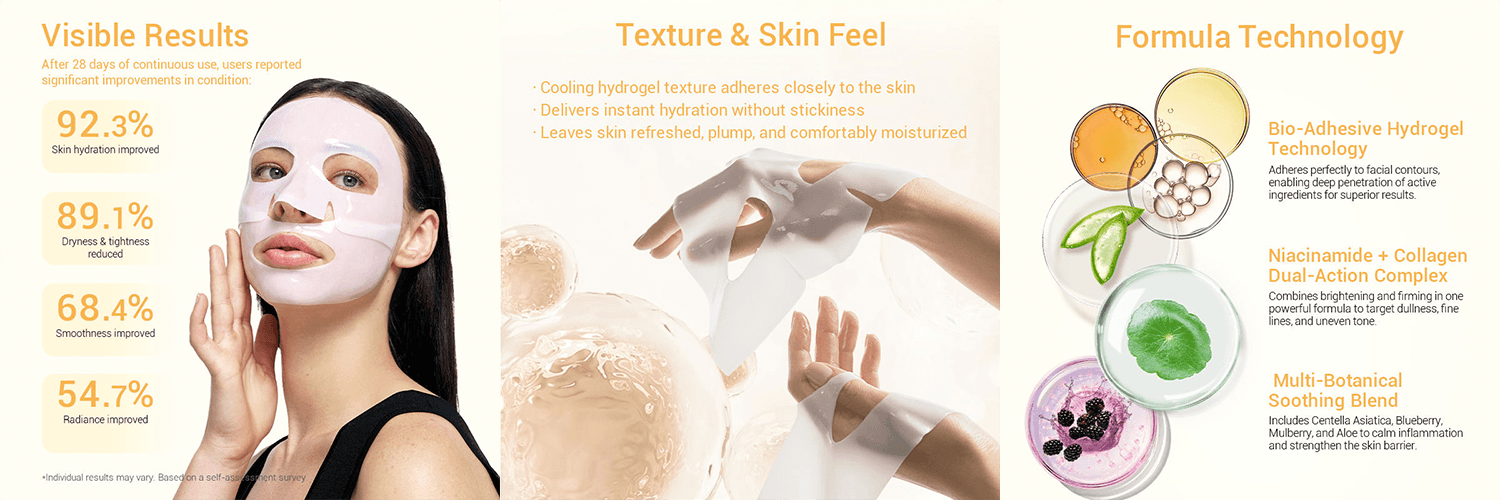
Hydrogel face masks are formulated using a gel-based matrix—typically derived from bio-compatible polymers—that allows active ingredients to be released gradually onto the skin. Unlike traditional non-woven sheet masks, hydrogel masks offer a closer fit and improved ingredient absorption.
Global demand is being driven by consumers seeking:
These factors have positioned hydrogel masks as a preferred option in both retail and professional skincare channels.
From a B2B standpoint, hydrogel masks present clear commercial advantages compared to conventional sheet masks.
Product Experience Hydrogel masks adhere closely to facial contours, minimizing slipping and improving comfort during use. This enhances perceived quality and user satisfaction.
Pricing & Margin Potential Due to their premium positioning, hydrogel masks support higher retail price points, offering improved margins for distributors and retailers.
Customer Retention Consumers often associate hydrogel masks with spa-level or clinical-grade care, leading to stronger repeat purchase behavior.
For brands aiming to move beyond entry-level sheet masks, hydrogel technology provides a natural upgrade path.
Wholesale hydrogel face masks appeal to B2B buyers for several reasons:
As consumers become more ingredient-aware and results-driven, hydrogel masks meet expectations for both performance and experience.
Private label hydrogel masks offer brands the flexibility to differentiate in competitive markets. Common customization options include:
For B2B buyers, private label solutions allow faster market entry while maintaining brand identity and control over product positioning.
In North America, hydrogel masks are often positioned as premium hydration or post-treatment recovery products. Compliance with FDA cosmetic standards and clear ingredient labeling are key considerations.
European buyers tend to prioritize clean beauty concepts, sustainability, and regulatory transparency. CPSR and CPNP compliance play an important role in supplier selection.
In Asia-Pacific markets, demand is driven by K-beauty influence, innovative textures, and oil-control or soothing formulations suited for humid climates.
Understanding these regional differences helps B2B brands tailor their hydrogel mask strategy more effectively.
Several trends continue to support the expansion of the hydrogel mask category:
These trends indicate strong long-term potential for hydrogel masks in global skincare markets.
When sourcing wholesale or private label hydrogel masks, B2B buyers typically assess:
Selecting the right supplier is critical for maintaining product consistency and brand reputation.
Wholesale hydrogel face masks represent a high-growth opportunity for brands seeking to upgrade their skincare offerings and meet evolving consumer expectations. With strong demand across multiple regions and applications, hydrogel masks are well-positioned as a core product category for B2B skincare businesses.
For brands exploring private label or wholesale hydrogel masks, a clear understanding of the market and sourcing strategy is the foundation for sustainable growth.