VEILTA
12/02/2025
Private label skincare kits have become one of the fastest-growing opportunities for beauty brands, retailers, and global distributors looking to create curated product collections. From travel kits and starter sets to professional facial kits, these bundles offer high margins, strong branding potential, and scalable OEM manufacturing options.
For global brands aiming to differentiate in a saturated skincare market, working with a specialized OEM partner allows you to customize formulations, packaging, and kit structuring—ultimately building a premium consumer experience.
In this guide, we explore how private label skincare kits are developed, what makes them successful, and how OEM manufacturers like VEILTA support global clients from concept to mass production.
Consumers increasingly seek convenient, result-oriented solutions. Complete skincare kits simplify decision-making while offering a cohesive routine.
Kits often retail for 2–3× the manufacturing cost. Bundles increase perceived value and support premium pricing.
OEM skincare kits are especially effective for:
Curated product kits allow global brands to test new regions with a smaller SKU range while reinforcing brand identity.
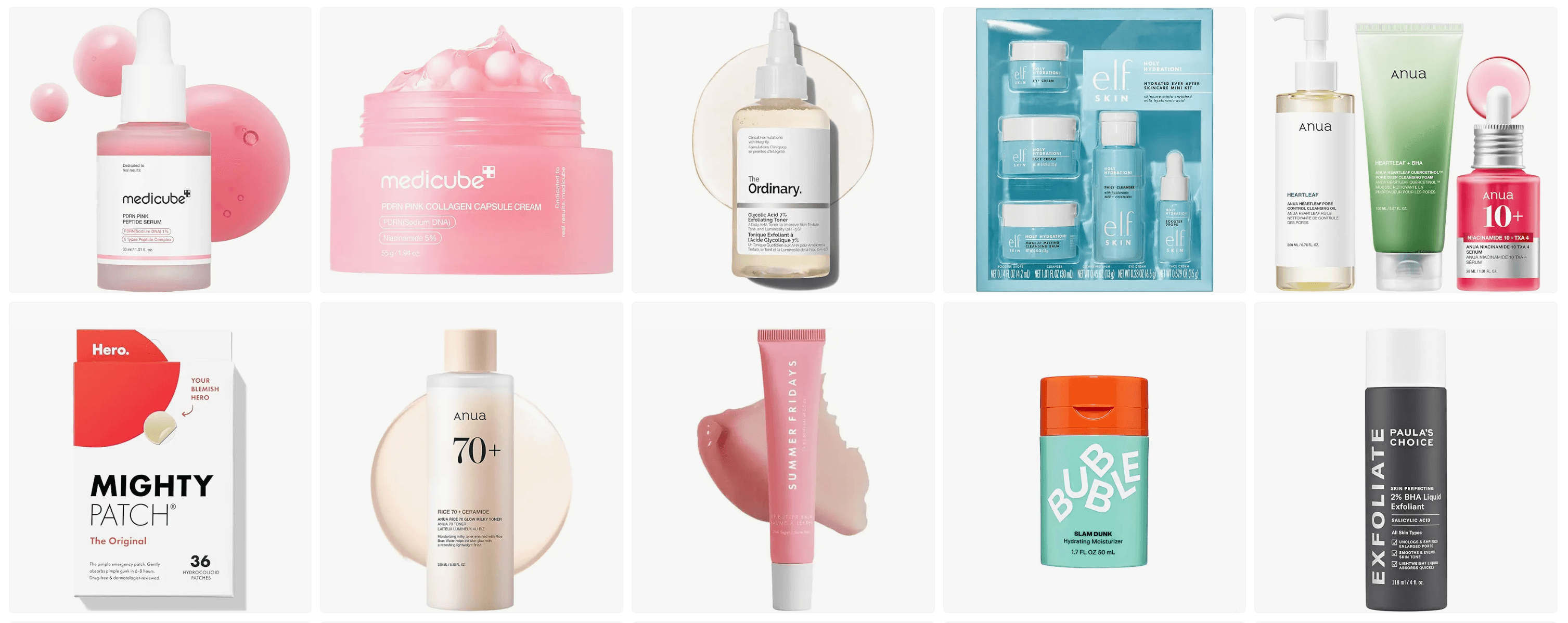
Below is a breakdown of high-demand kit types commonly manufactured through OEM suppliers:
Contains products such as acne patches, spot gels, cleansing pads, and calming serums.
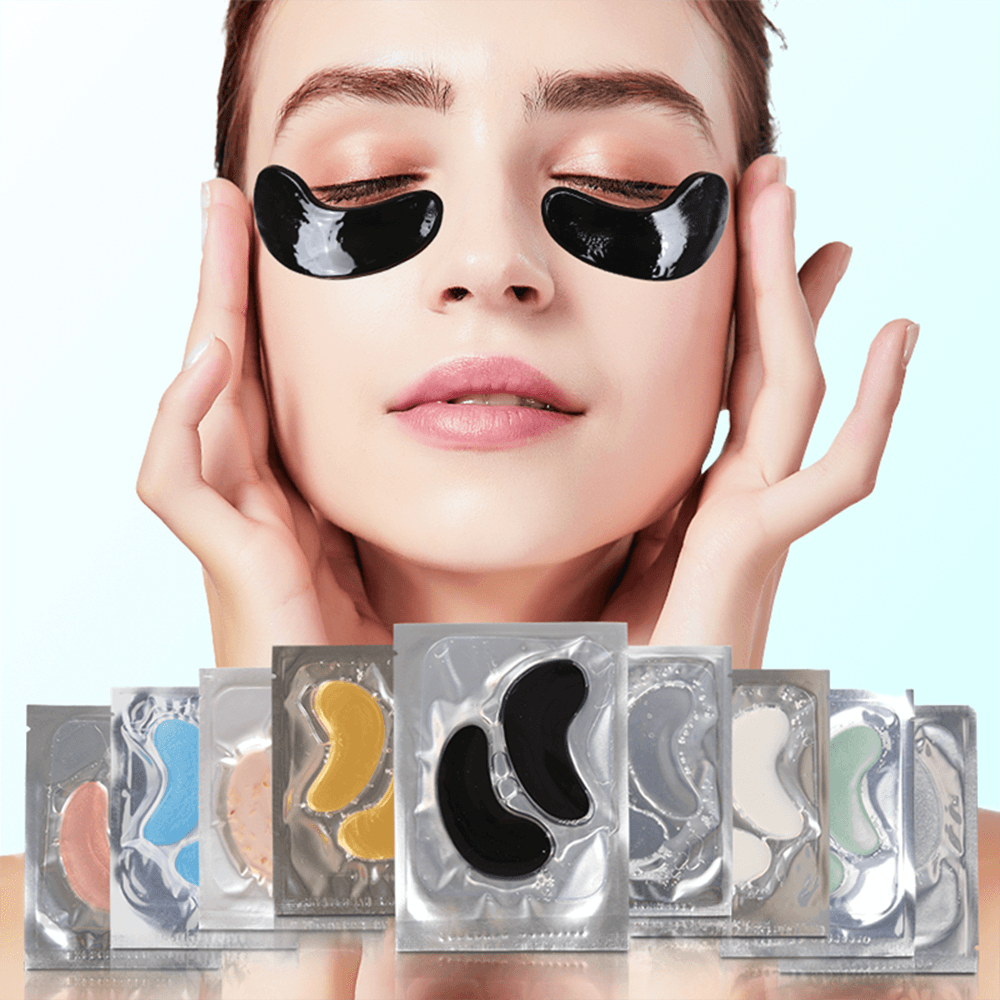
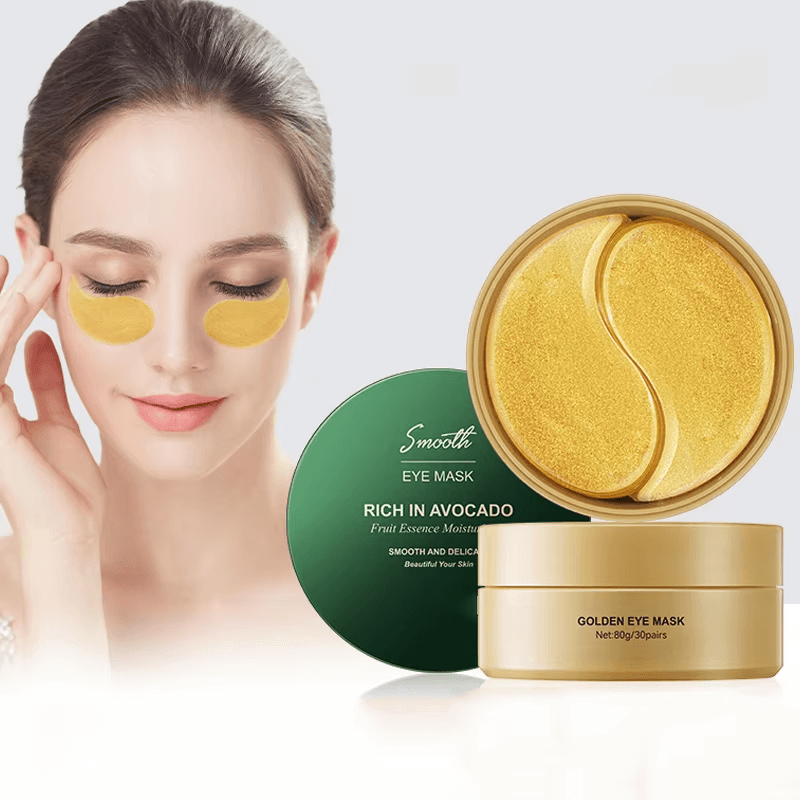
Includes sheet masks, hydrogel eye patches, essence lotions, and creams.
Featuring peptides, retinol alternatives, collagen-boosting masks, or targeted under-eye solutions.
Ideal for retail, hospitality partners, and airline collaborations.
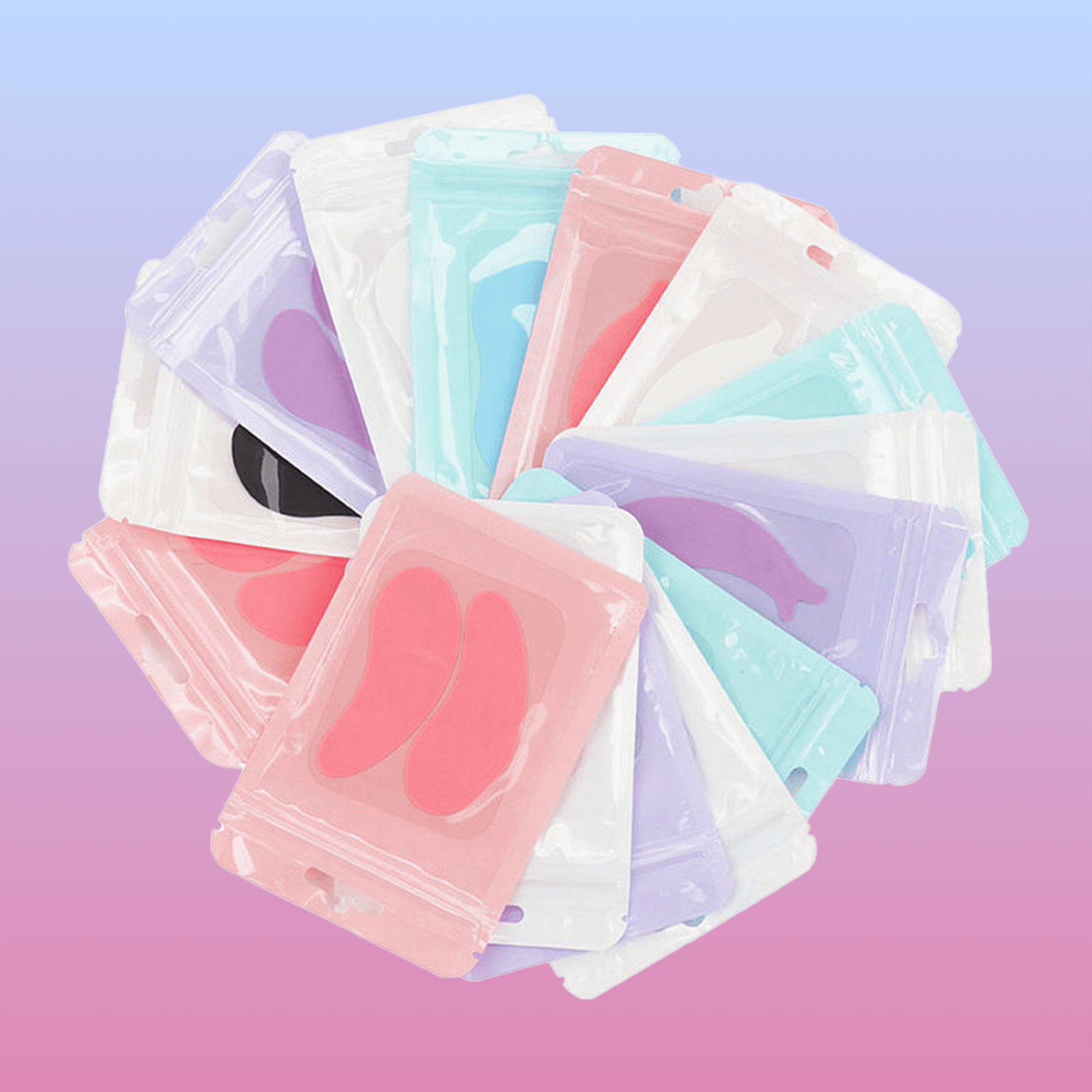
OEM mask kits usually include:
6. Spa & Professional Use Kits
Used by estheticians; includes multi-step routines designed for in-spa treatments.
The benefit of working with an OEM partner is full flexibility across product, packaging, and branding elements.
OEM manufacturers provide:
Popular active ingredients include:
You can tailor:
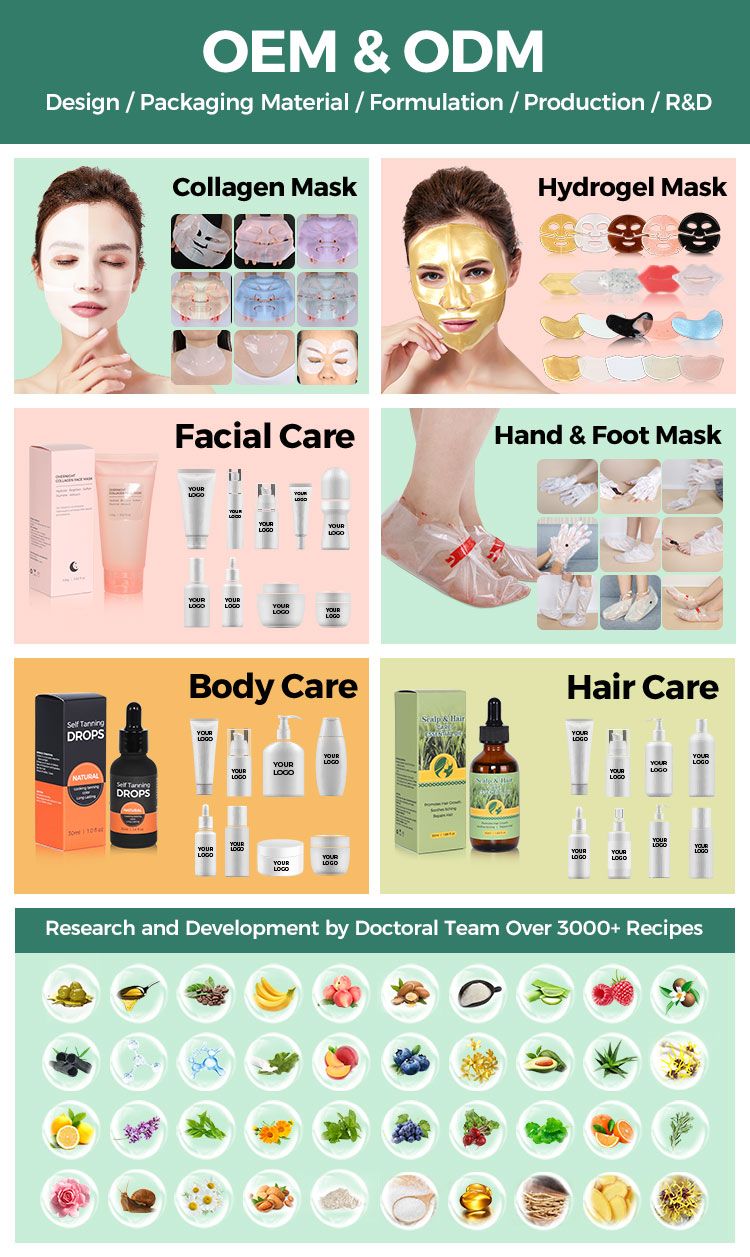
OEM skincare kits support:
Your OEM partner will help determine:
Look for suppliers with:
MOQs for kits vary widely; OEM suppliers like VEILTA offer scalable options for brands of all sizes.
Your OEM manufacturer should support:
A strong OEM supplier should understand requirements for:
VEILTA specializes in advanced skincare manufacturing, offering:
With OEM/ODM capabilities from formulation to packaging assembly, VEILTA supports beauty brands, spa distributors, and global retailers in creating premium private label skincare kits efficiently.
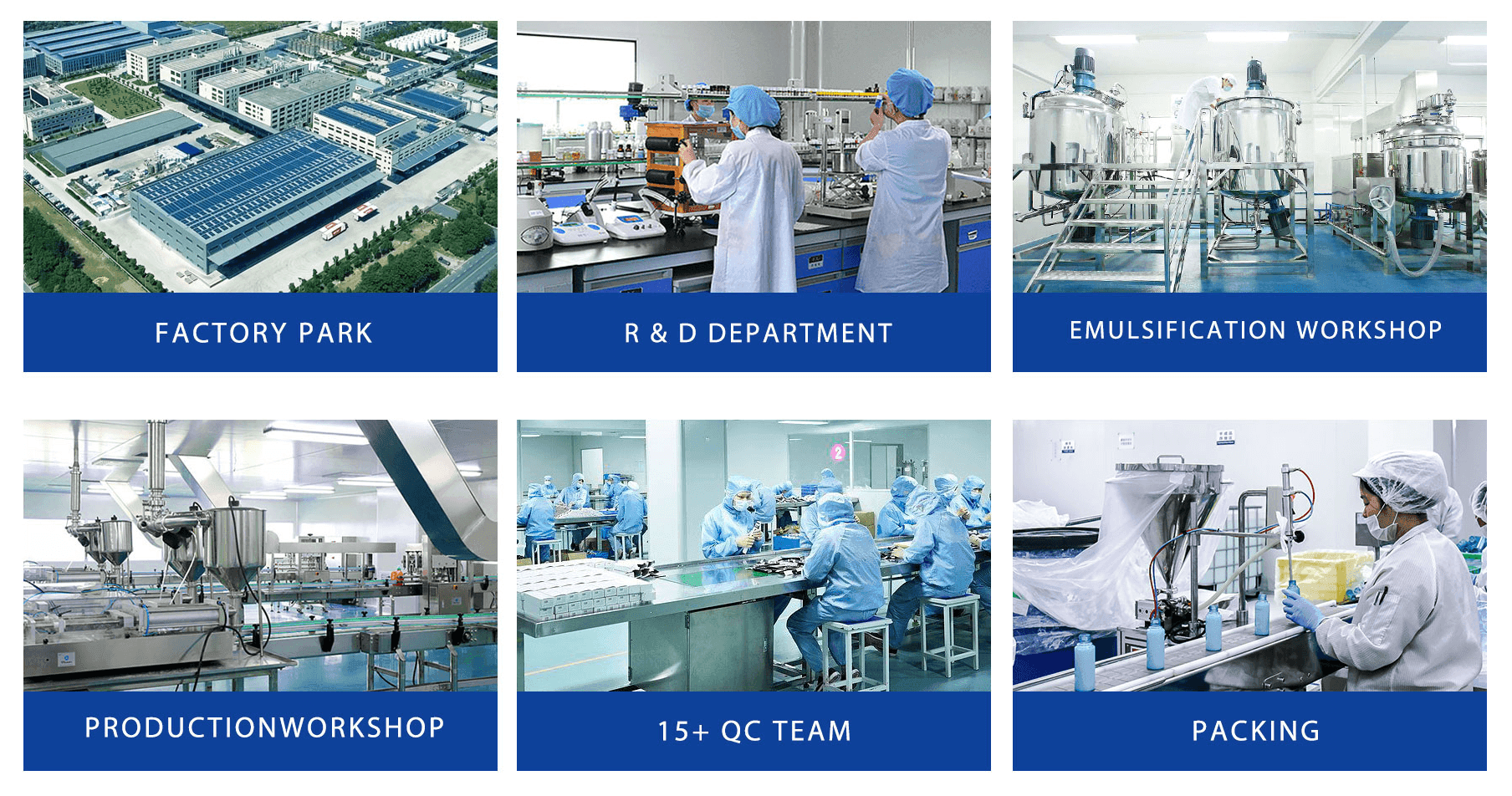
Private label skincare kits open major opportunities for beauty brands seeking differentiation, higher margins, and stronger brand identity in global markets. With the right OEM partner, brands can customize every detail—from formulations to packaging—to create premium, cohesive skincare experiences consumers love.
For global partners seeking high-quality, scalable OEM skincare kit manufacturing, VEILTA provides the full solution.
Most skincare kits contain between 3 and 5 products, providing a complete skincare routine while maintaining a practical balance between product variety, packaging requirements, and overall cost. Smaller travel or starter kits may include fewer items depending on the intended use.
Yes. Skincare kits can include a combination of products such as facial masks, acne patches, eye patches, cleansers, serums, or moisturizers. Multi-category kits are often used to create a more comprehensive skincare experience and enhance product value for consumers.
MOQ for skincare kits depends on the individual products included in the set, packaging specifications, and customization requirements. The final MOQ is typically determined by the production requirements of each component product within the kit.
Each product within the kit requires its own applicable compliance documentation and product records. In addition, the outer kit packaging may require appropriate labeling to clearly identify all included products and related information according to market regulations.
Kit assembly generally requires additional time beyond the production of individual products, as all components must be coordinated, inspected, and packed together. The exact timeline depends on the number of products included, packaging complexity, and overall order volume.