VEILTA
09/26/2025
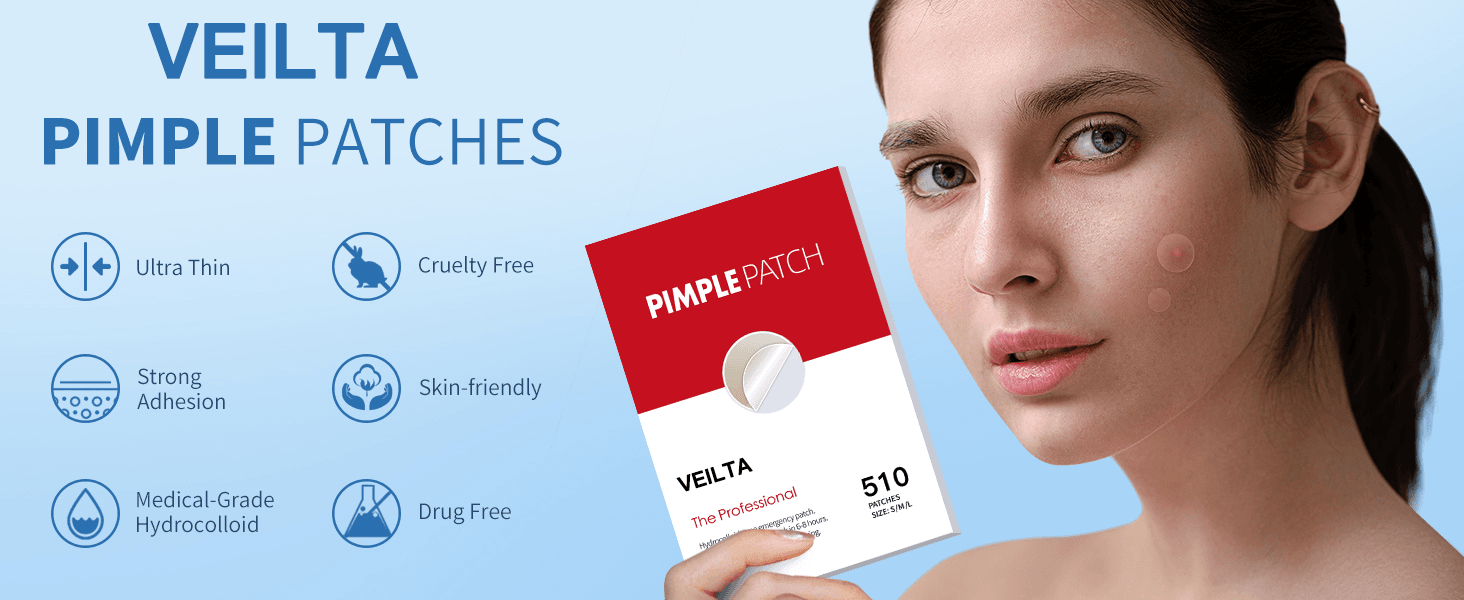
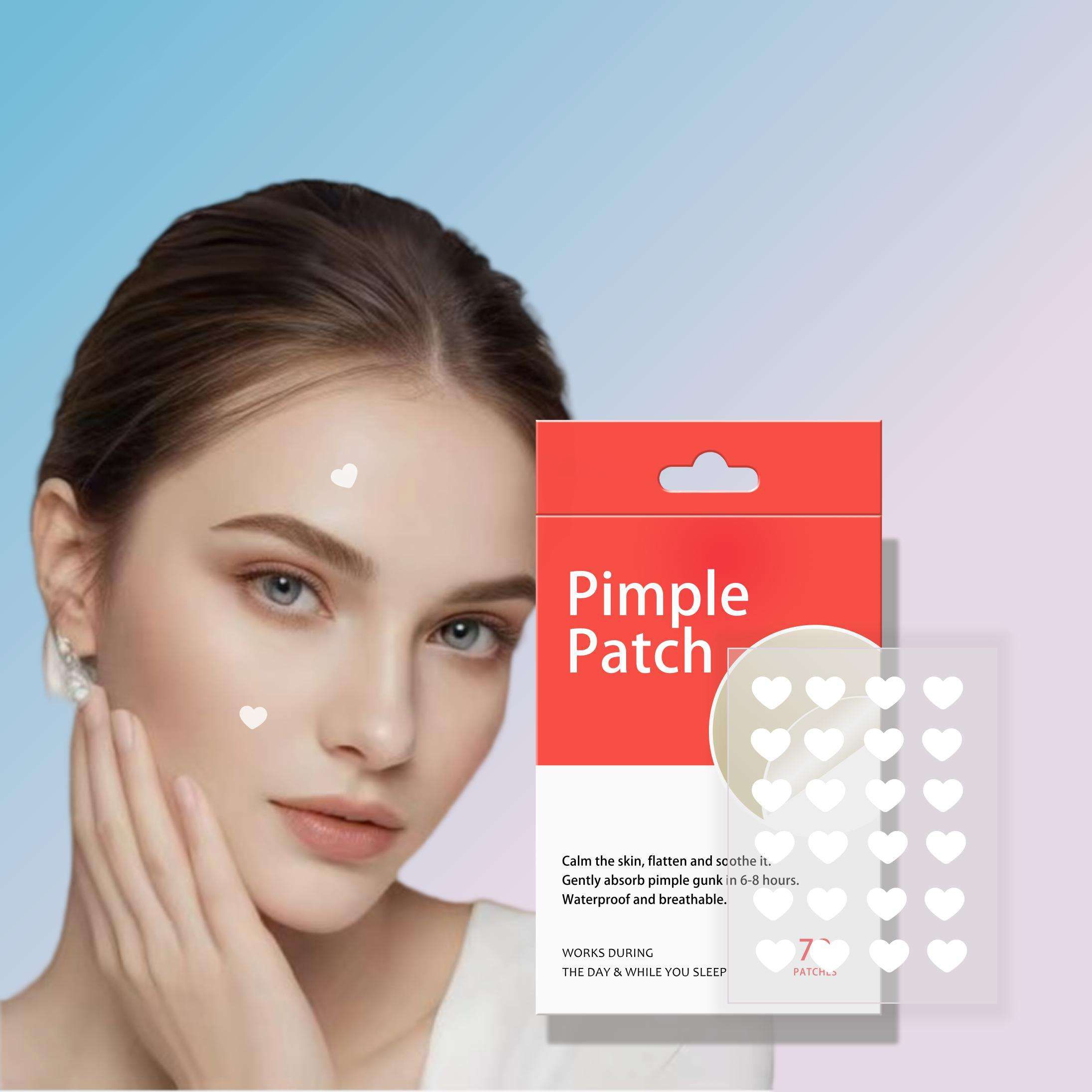
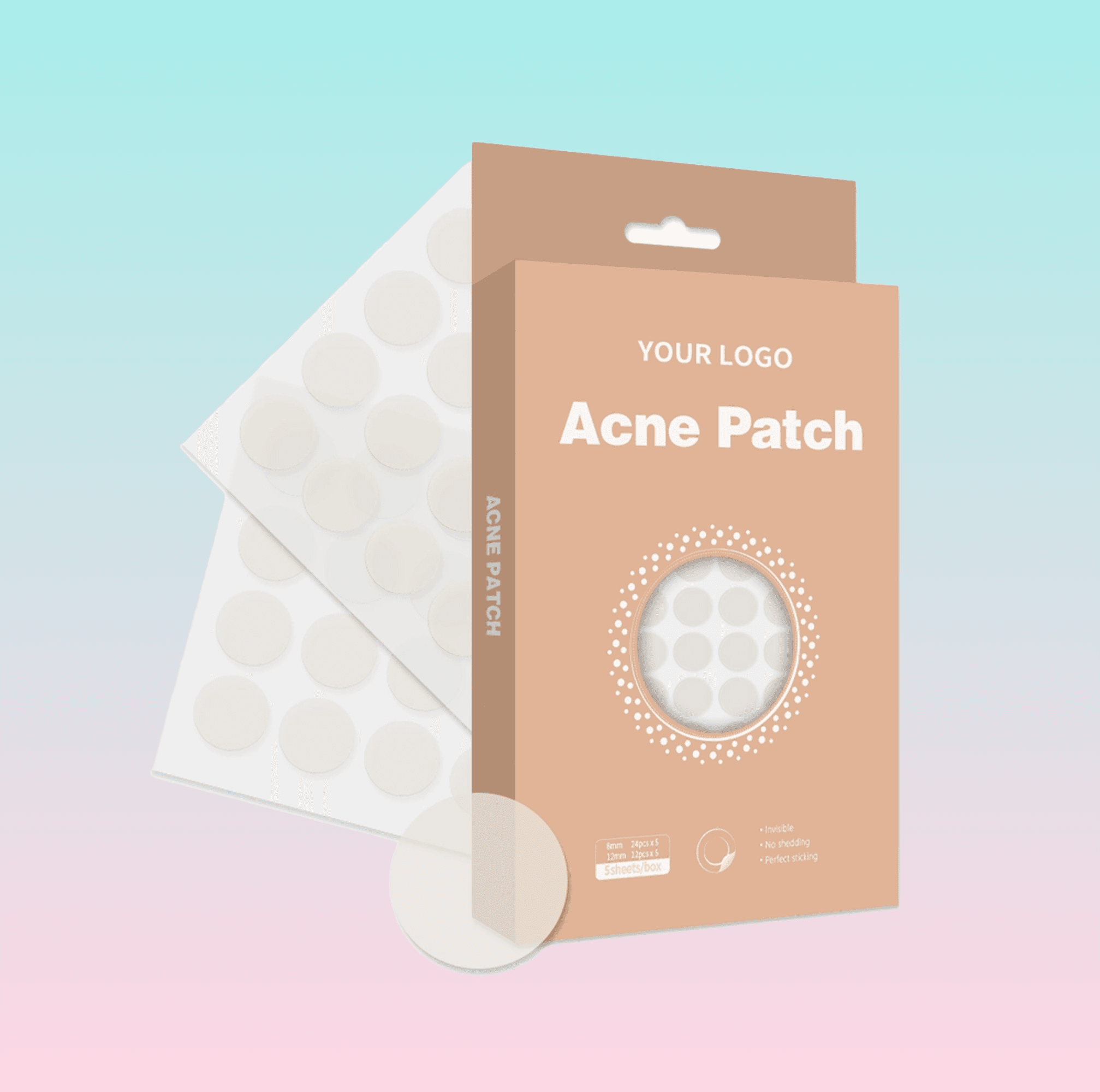
Non-medicated pimple patches, also known as unmedicated acne patches, are small, adhesive stickers made from hydrocolloid material. Hydrocolloid is a moisture-absorbing substance that creates a protective barrier over the affected area. These patches are designed to cover individual pimples, prevent contamination, and promote healing. Unlike traditional acne treatments that may include harsh chemicals, these patches provide a mild alternative that caters to a wide range of skin types.
The primary function of non-medicated pimple patches is to draw out excess fluid and impurities from the pimple while providing a protective seal. When applied to a blemish, the hydrocolloid material absorbs pus and oil, reducing the size and redness of the pimple. This helps accelerate the healing process and prevents further irritation. Additionally, by maintaining a moist environment, these patches encourage the skin to repair itself more effectively, minimizing the potential for long-term damage or scarring.
One of the significant advantages of non-medicated acne patches is their ability to shield pimples from external irritants. Dust, dirt, and bacteria from the environment can exacerbate acne. These patches act as a barrier, protecting the pimple from potential infections and contamination. This protection is particularly beneficial for individuals who are frequently exposed to pollutants or who live in urban areas where air quality may be a concern.
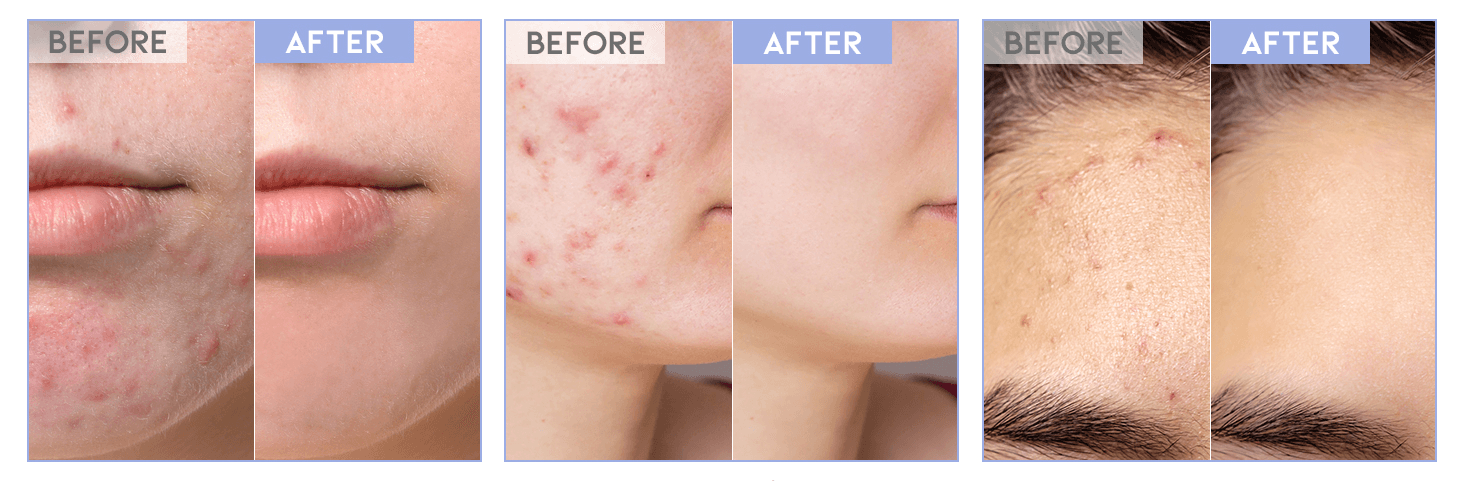
Picking or popping pimples can lead to scars and dark spots. By covering the blemish, non-medicated pimple patches discourage touching and squeezing, minimizing the risk of permanent scarring. This is particularly beneficial for those prone to acne scarring. The barrier they create not only protects the skin but also serves as a physical reminder to resist the temptation of picking at blemishes, a common habit that can worsen acne and prolong healing.
Non-medicated pimple patches are designed to be transparent and thin, making them nearly invisible on the skin. This allows users to wear them during the day without drawing attention. They can even be worn under makeup, making them a discreet solution for managing acne. This invisibility factor is especially appreciated by professionals or students who need to maintain a polished appearance in their day-to-day activities.
The hydrocolloid material in these patches not only absorbs excess fluids but also maintains a moist environment. This moist environment is conducive to faster healing, as it allows the skin to repair itself more efficiently. As a result, pimples tend to resolve more quickly with consistent use. The accelerated healing process can lead to clearer skin in a shorter amount of time, which is a significant benefit for those who want to minimize the duration of their breakouts.
Non-medicated pimple patches are incredibly easy to apply. Simply cleanse the affected area, dry it thoroughly, and place the patch over the pimple. Leave it on for several hours or overnight for optimal results. This simplicity makes them a convenient option for those with busy lifestyles. Additionally, their ease of use encourages consistent application, which is essential for achieving the best possible results in acne management.
Non-medicated pimple patches are generally suitable for all skin types, including sensitive skin. Since they do not contain active medicinal ingredients, they are less likely to cause irritation or allergic reactions. However, it's always a good idea to do a patch test if you have extremely sensitive skin. This inclusivity makes them an excellent choice for people who have struggled to find acne treatments that do not irritate their skin.
These patches work best on surface-level acne, such as whiteheads and pustules. They are less effective on cystic or deep acne, as the hydrocolloid material may not reach the deeper layers of the skin where these types of blemishes form. However, for those dealing with occasional surface breakouts, these patches can be a quick and effective solution to reduce inflammation and promote healing.
 Brands selling non-medicated pimple patches should give customers clear usage guidance — this reduces returns and complaints tied to misuse, not just product performance:
For brands developing a non-medicated pimple patch line:
Non-medicated pimple patches remain one of the most accessible entry points into the acne patch category for private label brands — low formulation complexity, broad skin-type compatibility, and a familiar product format for customers. For brands building a multi-SKU acne care line, this format typically serves as the foundation, with medicated and specialty formats added as the line matures.
Discuss your private label pimple patch project →
Non-medicated pimple patches are often chosen as a first SKU because they have simpler regulatory requirements and do not contain active pharmaceutical or cosmetic actives. This makes them easier to position across multiple markets and suitable for a wider range of skin types, reducing overall product development and compliance complexity.
Yes. Non-medicated hydrocolloid patches are effective for surface-level blemishes such as whiteheads and small pimples. The hydrocolloid material works by absorbing excess fluid and oil while creating a protective barrier that helps support the skin’s natural healing process.
MOQ typically starts from 5,000 pieces for standard hydrocolloid pimple patches, depending on shape, packaging, and customization requirements.
Yes. Many private label brands structure their product lines with both non-medicated and medicated formats. Non-medicated patches are often used as entry-level or sensitive-skin SKUs, while medicated or advanced formats are positioned as higher-performance options for targeted treatment needs.