VEILTA
12/04/2025
Medical patch skincare is one of the fastest-growing categories in the beauty and wellness industry. As consumers demand results-driven ingredients, precise delivery systems, and dermatologist-backed formulas, medical-grade patches are emerging as a hybrid solution that sits perfectly between skincare and medical technology.
To help beauty brands, B2B distributors, and high-end OEM clients understand this rapidly evolving field, this guide explores the science, applications, materials, and business opportunities behind medical patch skincare.
Medical patch skincare refers to skin-contact patches designed using medical-grade materials, engineered to deliver active ingredients through controlled release, occlusion, or penetration-enhancing technologies.
These patches are widely used for:

Modern cosmetic patches borrow technologies from clinical medicine while adapting them for commercial beauty use.
Originally developed for wound care, hydrocolloid creates a moist healing environment.
Cosmetic uses include:
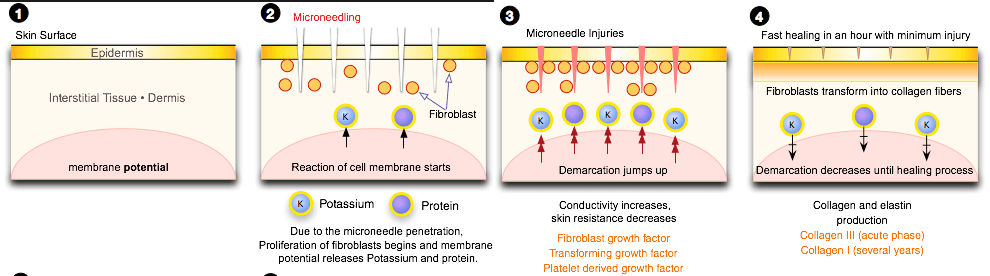
Microneedles create micro-channels in the skin to improve ingredient penetration.
Popular for:
Hydrogels offer cooling, hydrating, and ingredient-locking benefits.
Ideal for:
Used in scar treatment and long-wear skincare.
Cosmetic applications:

Medical-grade patches are not just functional—they are now a premium, science-driven category for beauty brands.
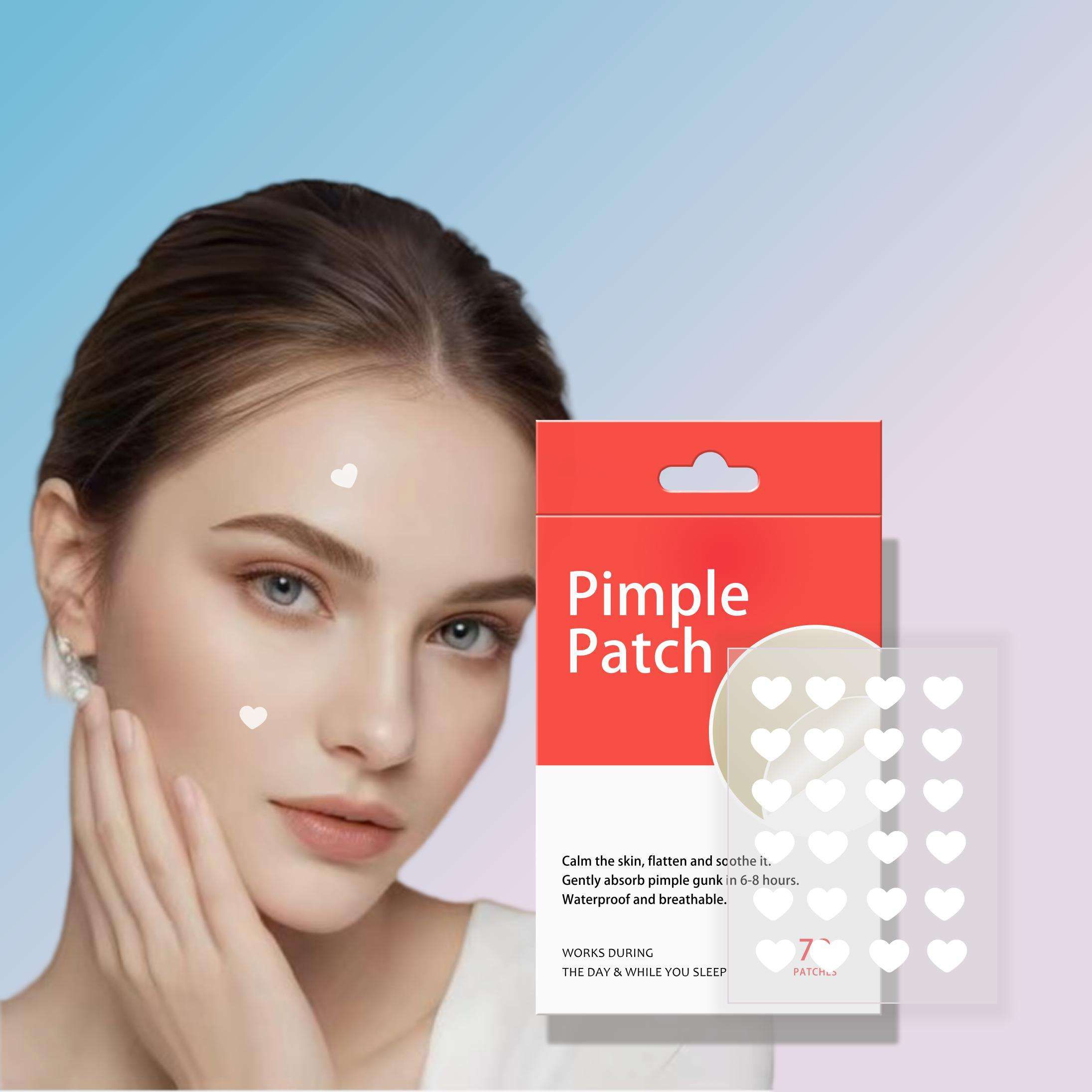
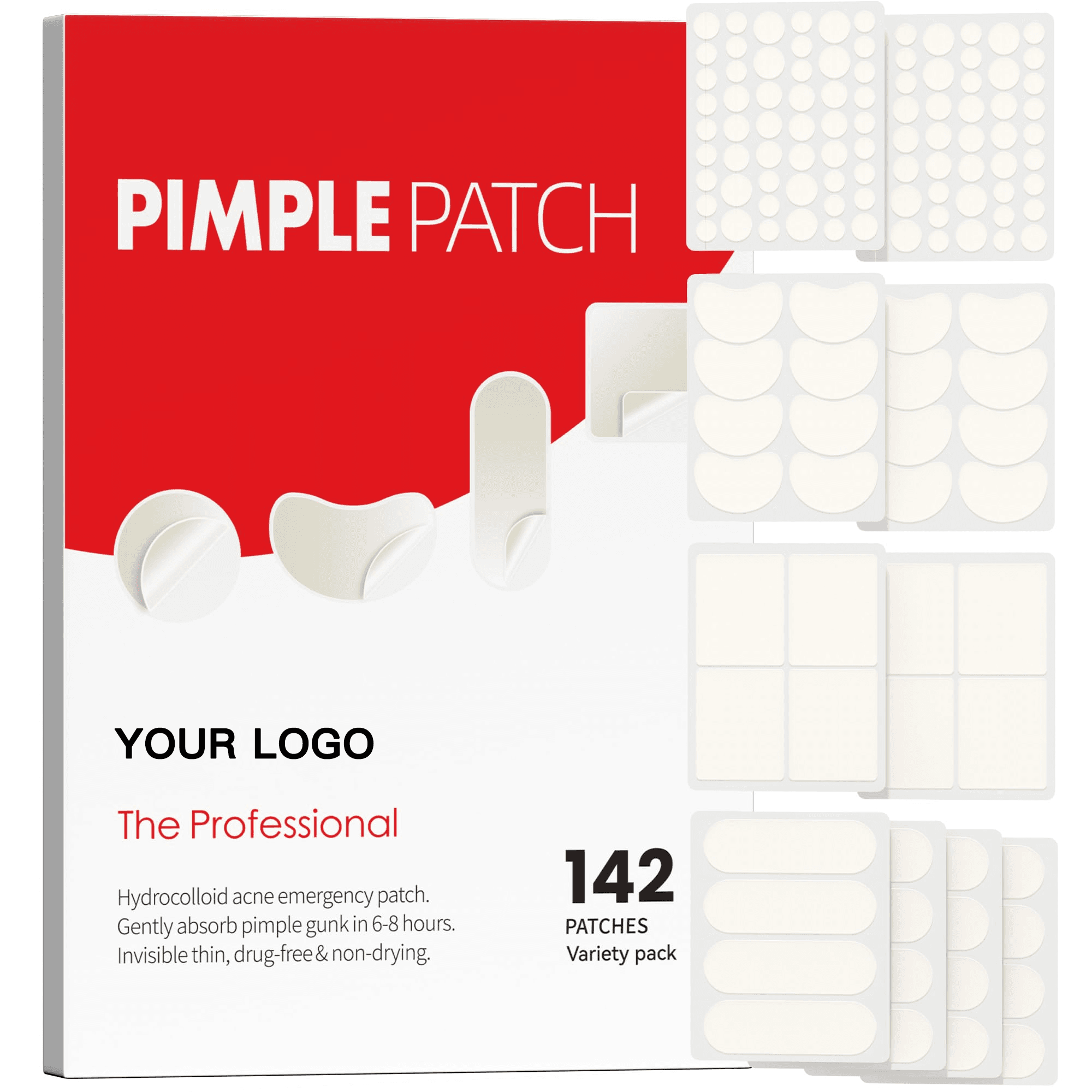
Hydrocolloid acne patches remain the industry’s most successful medical-inspired skincare patch category.
Microneedle and silicone patches dominate this space by offering targeted action for:
Medical gel patches calm inflammation and support skin barrier recovery.
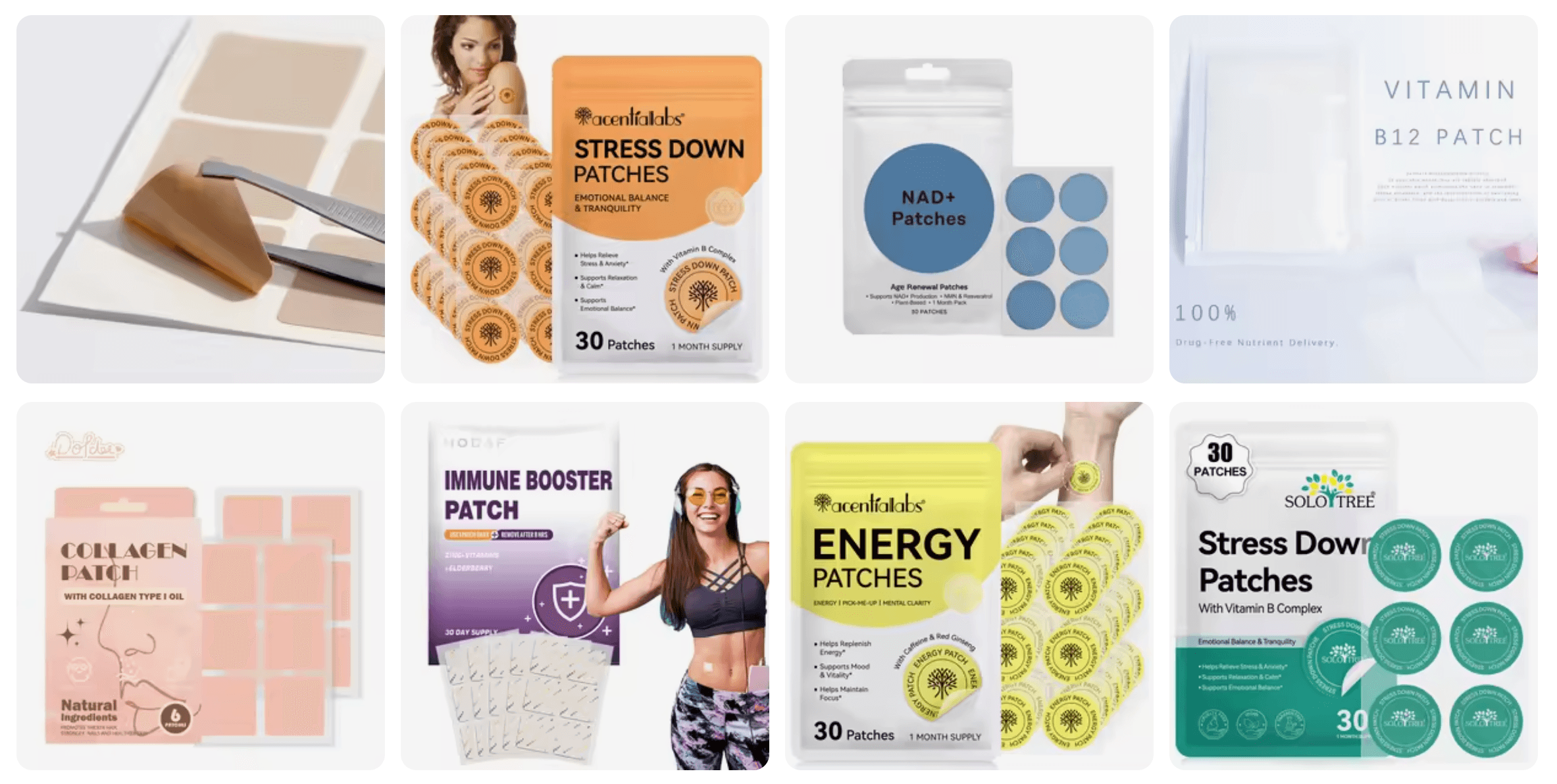
A rising category in wellness beauty—vitamin patches using:
Medical-inspired skincare is perceived as:
Compared to traditional skincare, patches offer:
OEM medical patches help brands stand out from saturated markets like:
Medical patch packaging is:
Each material serves different performance requirements (hydration, delivery, lifting, penetration).

Define target users:
Based on performance vs. experience.
Patch thickness, adhesion, active ingredients.
Essential for global markets.
Minimalist, medical-grade, eco-friendly.
Including CE, ISO 13485, SGS, CPSR, etc.
Medical patch skincare represents the perfect fusion of science, safety, and cosmetic innovation. For beauty brands looking to expand into a high-value, high-demand product category, working with a professional OEM medical patch manufacturer provides unparalleled opportunities.
As global consumers shift toward results-driven skincare, the brands that embrace medical-grade patches will stand at the forefront of the next beauty revolution.
In most markets, cosmetic patches such as hydrocolloid patches, hydrogel patches, and cosmetic microneedle patches are regulated as cosmetic products rather than medical devices. Product claims, labeling, and marketing materials should be developed in accordance with the regulations applicable to cosmetic products in the target market.
Hydrocolloid technology is often the preferred starting point due to its widespread consumer recognition, straightforward product positioning, and broad application in acne care products. More specialized technologies, such as microneedle or silicone-based patches, are commonly introduced as premium extensions within an established product line.
PCL (Polycaprolactone) and PLGA (Poly(lactic-co-glycolic acid)) are both biodegradable materials commonly used in dissolving microneedle technology. They differ in characteristics such as degradation behavior, mechanical properties, and formulation compatibility. The most suitable material depends on the intended product application and formulation requirements.
Yes. Any claim related to material grade, quality standards, or technical specifications should be supported by appropriate documentation and supplier records. Brands should ensure that all marketing claims accurately reflect the certifications and specifications associated with the materials used.
MOQ for microneedle patches and other advanced patch technologies is generally higher than for standard hydrocolloid patches due to specialized materials, manufacturing processes, and production requirements. Final MOQ depends on product specifications, packaging, and customization requirements.