VEILTA
09/22/2025
Invisible pimple patches are a skincare innovation that has gained popularity for their discreet and effective treatment of acne. These patches blend seamlessly with the skin, making them ideal for those who want to treat pimples without drawing attention.
They work by absorbing excess oil and pus, reducing the size and redness of pimples overnight. This makes them a convenient solution for unexpected breakouts.
Invisible pimple patches are suitable for all skin types and can be worn under makeup. They offer a non-invasive, easy-to-use option for managing acne.
Invisible pimple patches are thin, transparent sheets designed to treat acne discreetly. Made from hydrocolloid material, they gently adhere to the skin, creating a moist environment for healing.
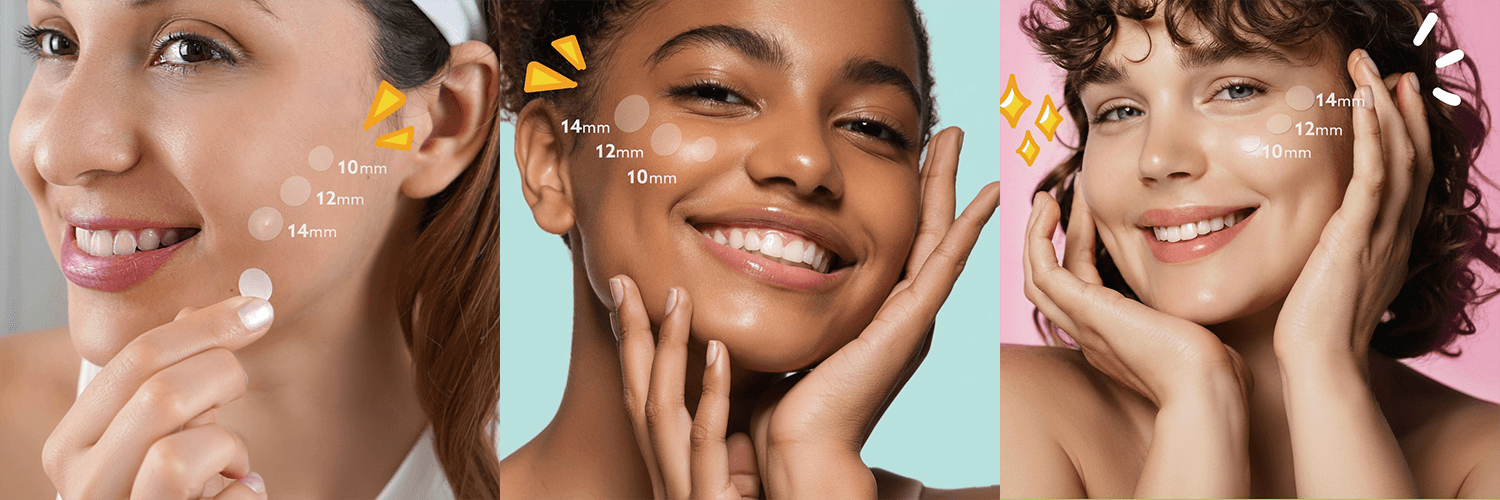
These patches are crafted to blend with different skin tones, enhancing their invisibility. Many find them a hassle-free way to tackle pimples.
Key features of invisible pimple patches include:
Invisible pimple patches use hydrocolloid technology to tackle acne. This material is effective in absorbing excess oil and pus from blemishes.
The patches create a protective layer over pimples, keeping them safe from external irritants like bacteria. This feature helps prevent further infection and reduces the urge to pick, which can lead to scars.
Benefits of hydrocolloid patches include:
Absorption of impurities from the pimple
Reduction of redness and swelling
Protection against harmful bacteria and environmental factors
Invisible pimple patches offer several positioning angles a private label brand can lead with, depending on target customer:
Before briefing a manufacturer, brands should decide on a few core specs that shape cost, positioning, and compliance:
Thinner, more transparent constructions improve "invisibility" but reduce absorption capacity — better suited to smaller, less inflamed blemishes. Slightly thicker invisible formats balance discretion with stronger absorption for larger breakouts.
Pure hydrocolloid (no added actives) keeps the formula simplest and lowest-risk for compliance across markets. Adding ingredients like tea tree oil or niacinamide creates a stronger benefit story but requires confirming stability and effectiveness at reduced material thickness.
"Invisible" only works if the patch blends across the brand's actual customer base. Brands targeting a broad consumer market should confirm with their manufacturer whether multiple tone-matched variants are offered, or whether a single ultra-clear formulation is used across all skin tones.
Brands should provide clear usage instructions to their end customers to maximize product performance and minimize returns or complaints:
For brands developing an invisible pimple patch line, key sourcing factors include:
Invisible pimple patches address a specific positioning gap — discreet, makeup-compatible acne care — that standard opaque patches don't cover. For brands evaluating where this fits in a private label lineup, it works well as a daytime-use line extension alongside a standard overnight hydrocolloid SKU, rather than as a standalone product.
Discuss your invisible pimple patch OEM project →
There is no strict industry standard, but most invisible or ultra-thin hydrocolloid patches are designed at approximately half the thickness of standard patches. This reduced thickness improves blendability under makeup, while the final specification depends on whether the product is positioned for daytime discretion or stronger absorption performance.
Plain hydrocolloid is generally the preferred starting point due to its simplicity and broader regulatory compatibility across markets. Active ingredients such as tea tree oil or centella asiatica can be added for enhanced positioning, but formulation stability and performance must be evaluated carefully in ultra-thin formats.
MOQ typically starts from 5,000 pieces for standard round or oval invisible patches. Custom shapes, special finishes, or complex designs may require higher minimum order quantities depending on production requirements.
Invisible patches are often more effective as part of a broader product range, complementing standard overnight hydrocolloid patches. They are typically positioned for daytime use and smaller blemishes, while standard patches cover more intensive treatment needs.