VEILTA
10/24/2025
Many brands start a hydrogel eye patch OEM conversation before they have fully decided what product format they actually want.
That usually creates the same problem: too many revisions, unclear sampling direction, and unnecessary back-and-forth with the factory.
In hydrogel eye patches, the product is not defined by formula alone. Size, shape, fill level, packaging structure, and material choice all affect how the product feels, how premium it looks, how it performs in transit, and how it fits different sales channels.
For brands planning a hydrogel eye patch packaging oem custom project, these format decisions should be made early.
This guide explains what brands should decide before briefing a manufacturer, how different packaging formats compare, and which specification points matter most before sampling begins.
A hydrogel eye patch project can look simple at first. But once sampling begins, unresolved format decisions often become the main source of delay.
Common examples include:
For many brands, packaging and format decisions influence not only cost, but also the number of sample rounds needed before approval. In hydrogel eye patch OEM, unresolved format decisions are one of the most common causes of slow sampling cycles.
This is why hydrogel eye patch packaging oem custom planning should start before final sampling, not after.
Before discussing pouch material or carton size, the brand should first define the product role.
Is the product meant to be:
That answer will affect every packaging decision that comes after it.
In practice, packaging should support the commercial role of the SKU. It should not be chosen in isolation. For many brands, the packaging format determines perceived value almost as much as the formula does.
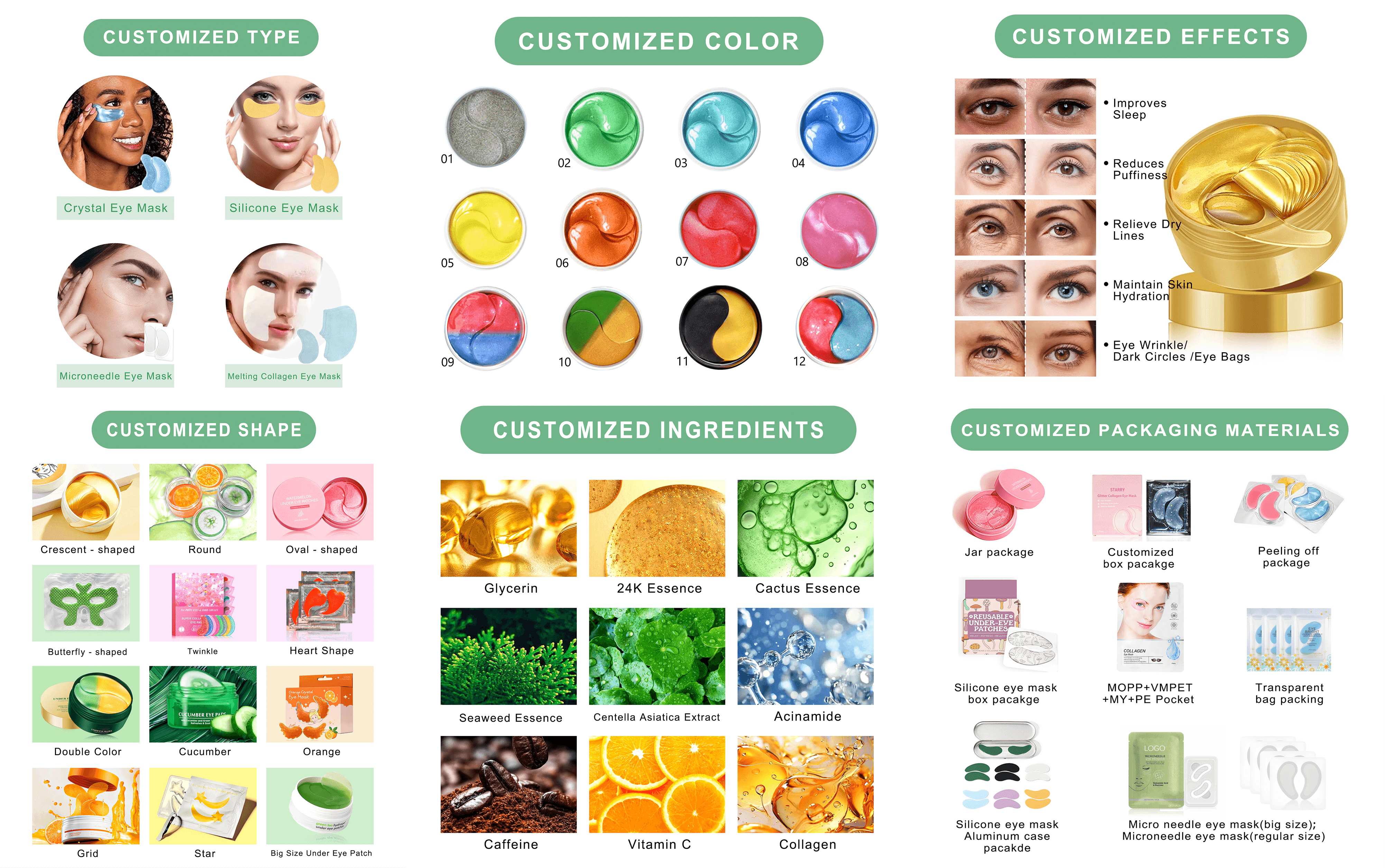
The patch shape is one of the first things a customer notices.
It affects:
This is the most common format.
This version extends coverage further across the under-eye area.
This format is usually more specialized.
The right shape is not just a design choice. It should match the brand's intended customer experience.
A larger patch does not always mean a better product, but it often changes how premium the SKU feels.
In many eye patch projects, coverage area influences:
This is one reason a brand should choose patch dimensions based not only on cost, but also on the intended retail position.
The amount of serum carried by a hydrogel eye patch affects both feel and perception.
Too little liquid can make the product feel dry or underwhelming. Too much can make the product feel messy, slippery, or wasteful.
Instead of thinking only in numbers, many brands benefit from defining the desired experience first: clean and practical, balanced and familiar, or rich and premium.
Serum fill is not only a sensory choice. It also affects:
For many brands, the right fill direction is the one that supports both user experience and packaging efficiency.
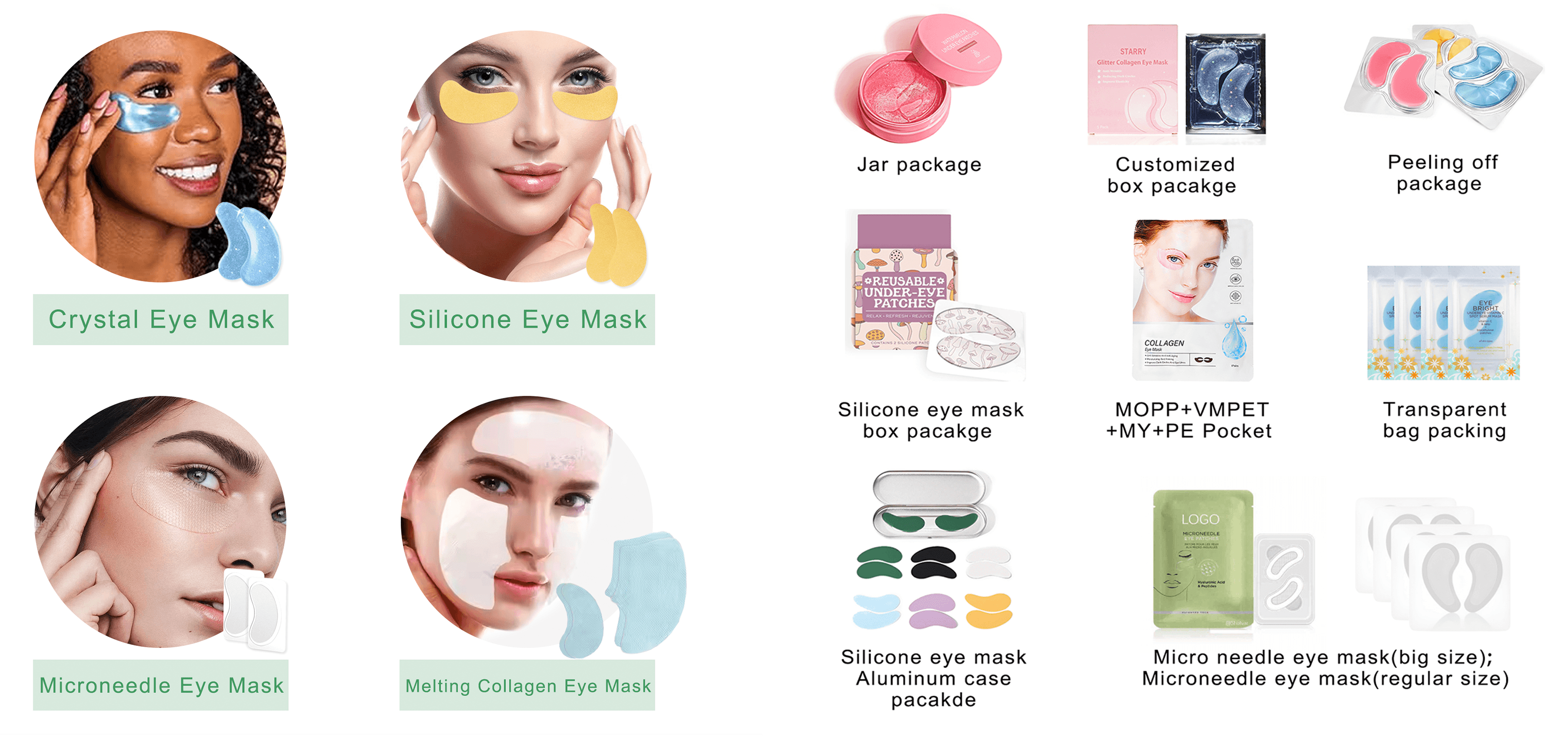
Packaging structure has a major effect on channel fit, price structure, and user convenience.
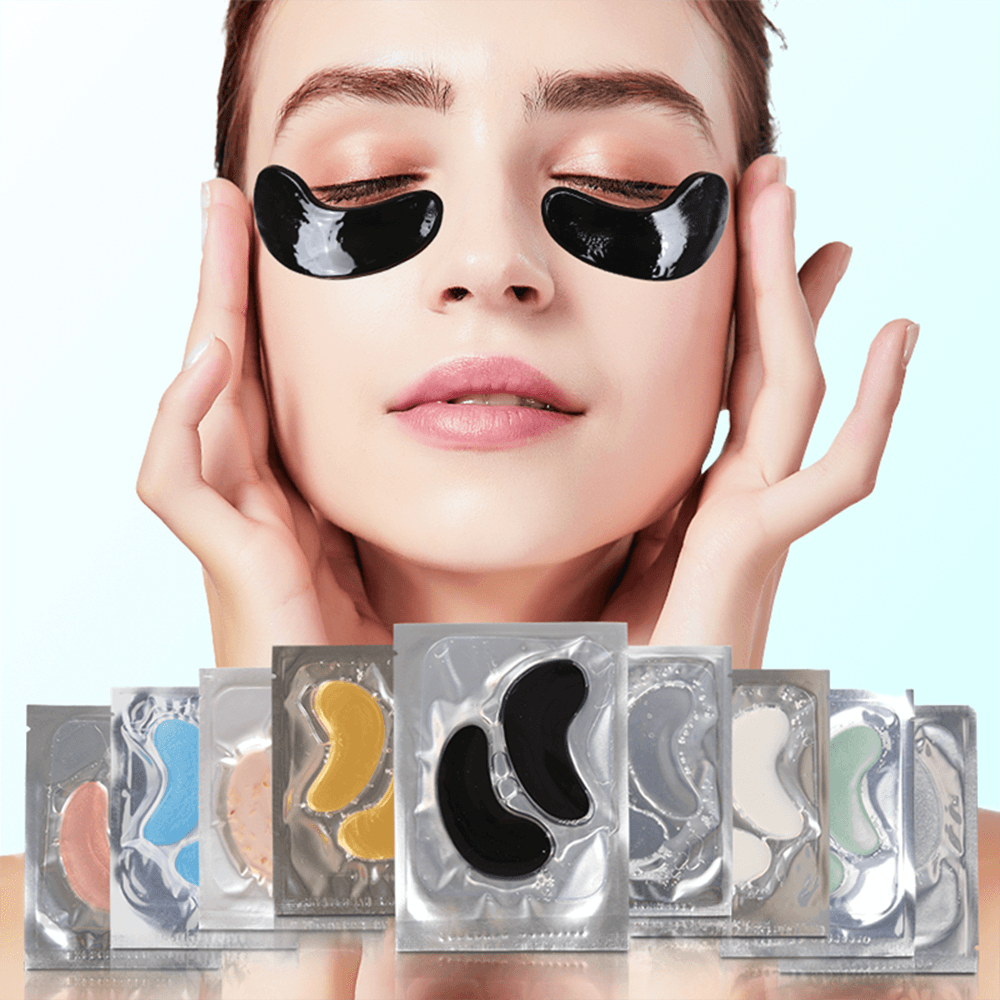
This is one of the most common hydrogel eye patch packaging formats.
This format groups multiple uses into one pack.
This is common in broader eye patch product lines.
This is a more specialized packaging route.
| Format | Main Advantages | Main Drawbacks | Best Channel Fit |
|---|---|---|---|
| Single-pair foil sachet | Strong protection, premium feel, hygiene clarity | Higher material use | DTC, retail, premium marketplace |
| Shared multi-pair pack | Better value efficiency, lower packaging per use | Less premium single-use feel | Mid-market retail, bundles |
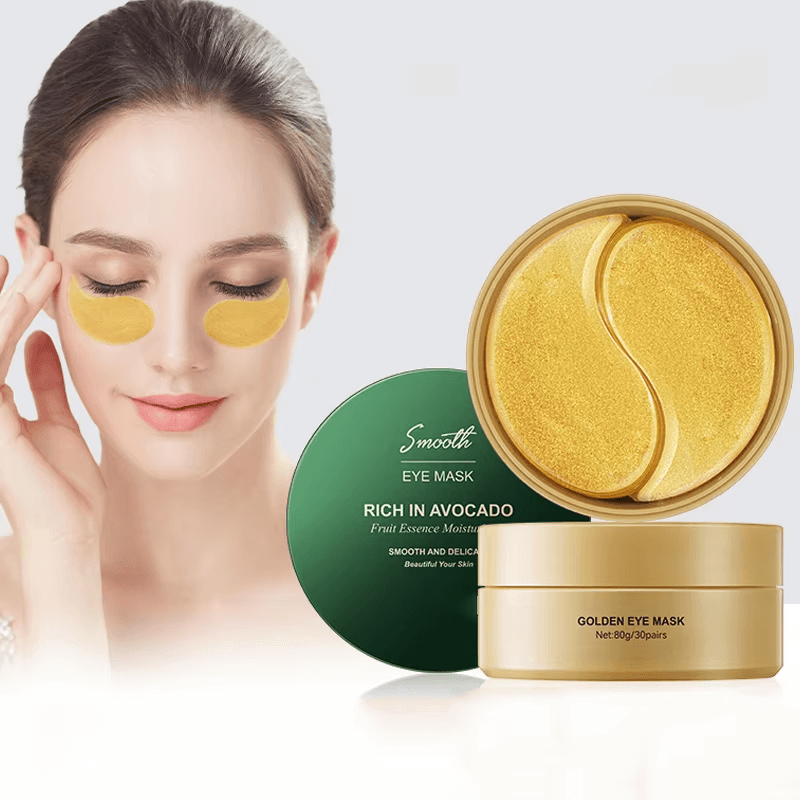
| Jar or tub | High count, routine-use positioning | Lower single-use premium feel | DTC, value retail, repeat-use lines |
| Tear-off strip format | Portable and differentiated | More complex to execute | Travel, convenience, niche launches |
Material choice affects more than appearance.
For hydrogel eye patches, packaging material often influences:
Foil-based sachets are often used when stronger barrier protection is preferred.
Standard film options may work for some formats, especially where the packaging brief is simpler or more value-oriented.
The right material choice should be made together with product positioning, fill strategy, and shelf-life expectation.
In practical OEM planning, higher-barrier packaging is often chosen when the brand wants:
This does not mean every product needs the highest-spec material. It means the material should match the product role, expected shelf-life story, and target market requirements.
Many brands now ask about biodegradable, lower-impact, or more eco-conscious packaging options.
That is a valid direction, but it should be discussed realistically.
In many projects, sustainable packaging choices involve trade-offs such as:
This does not mean sustainable packaging is impractical. It means it should be treated as a real product-development decision, not just a visual preference.
A more sustainable format usually works best when:
For some brands, this is a strong differentiator. For others, it can add complexity without improving conversion.
A practical first step is often to improve secondary packaging first, then evaluate whether primary-pack sustainability changes are commercially and technically worth the extra complexity.
Before sampling begins, a brand should ideally confirm these core specification points:
If these points are unclear, the project usually becomes slower and more revision-heavy.
| Brief Item | Example |
|---|---|
| Patch shape | Standard crescent |
| Patch size | Mid coverage |
| Experience target | Balanced hydration feel |
| Pack format | Single-pair foil sachet |
| Unit count | 5 pairs per carton |
| Material direction | High-barrier premium sachet |
| Target channel | DTC and marketplace |
| Retail level | Mid-premium |
| Sustainability goal | Secondary packaging improvement first |
| Shelf-life goal | Standard export-ready positioning |
For hydrogel eye patch packaging oem custom projects, Veilta can support brands not only with production, but also with format-direction planning.
That may include support for:
For many brands, the best packaging choice is the one that supports both product feel and project efficiency.
In hydrogel eye patch OEM, packaging is not just the final wrapper. It is part of the product decision.
Shape, size, serum fill, material, and format all affect how the product is perceived, how it performs in distribution, and how smoothly the project moves through sampling.
That is why the strongest hydrogel eye patch packaging oem custom strategy starts with clear format decisions before the manufacturer brief is finalized.
If your team already has a target format in mind, Veilta can help review whether the current size, fill level, and packaging structure are commercially workable before sampling begins.
If you want the broader hydrogel eye patch OEM overview behind customization scope and manufacturer capability, read our Hydrogel Eye Patch OEM Guide.
Single-pair foil sachets are one of the most common formats because they offer strong product protection, clear hygiene positioning, and an easy premium single-use experience.
The decision should depend on channel fit, target price position, user convenience, and whether the SKU is meant to feel premium, routine-use, or value-focused.
Yes. Shape and coverage influence visual appeal, treatment feel, perceived value, and how premium the final product looks in the market.
Packaging material affects moisture retention, barrier protection, shelf-life support, and how premium the product feels to the customer.
Brands should ideally confirm patch shape, size, fill direction, format, unit count, material preference, channel, shelf-life expectations, and retail position before sampling begins.