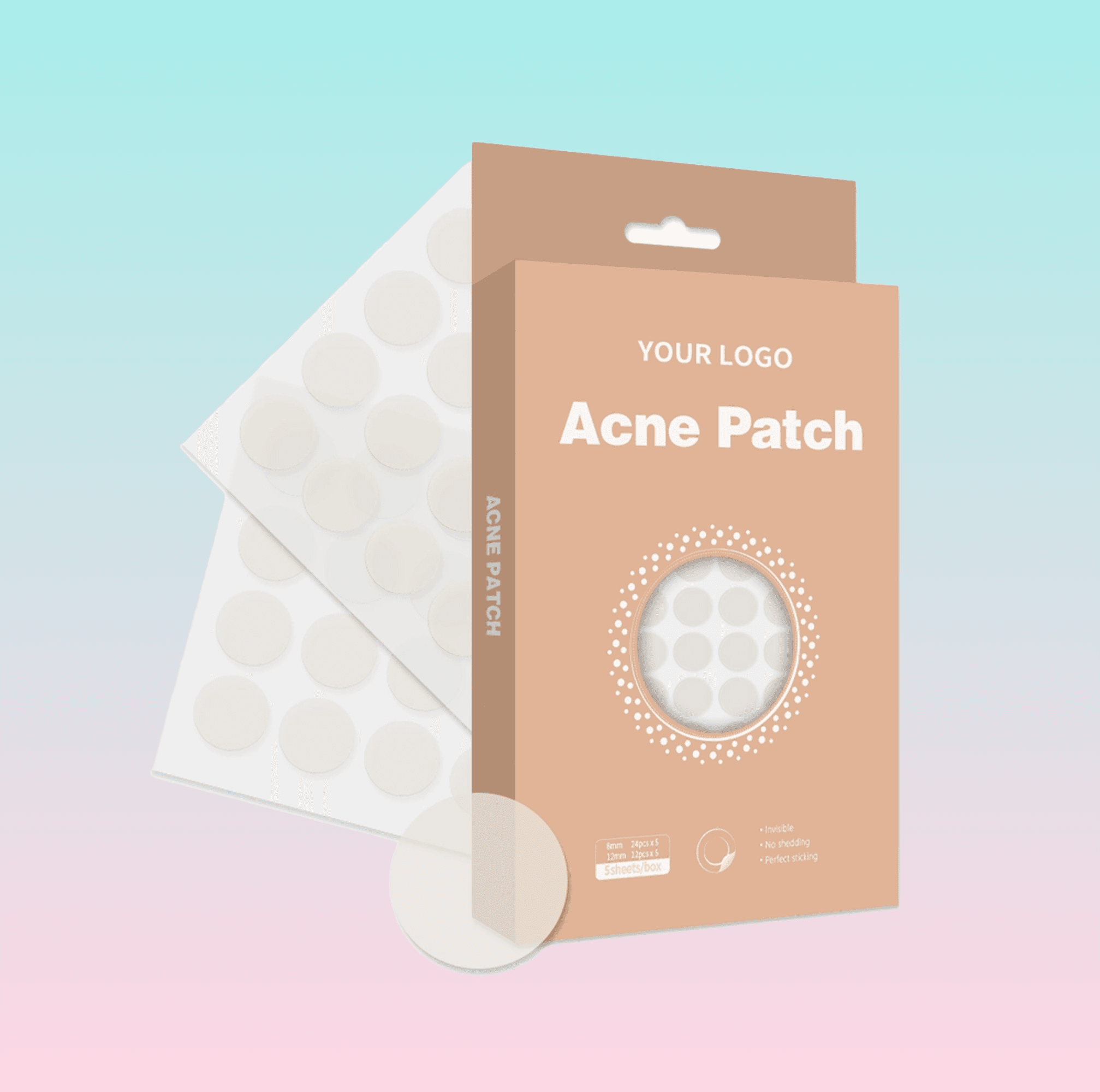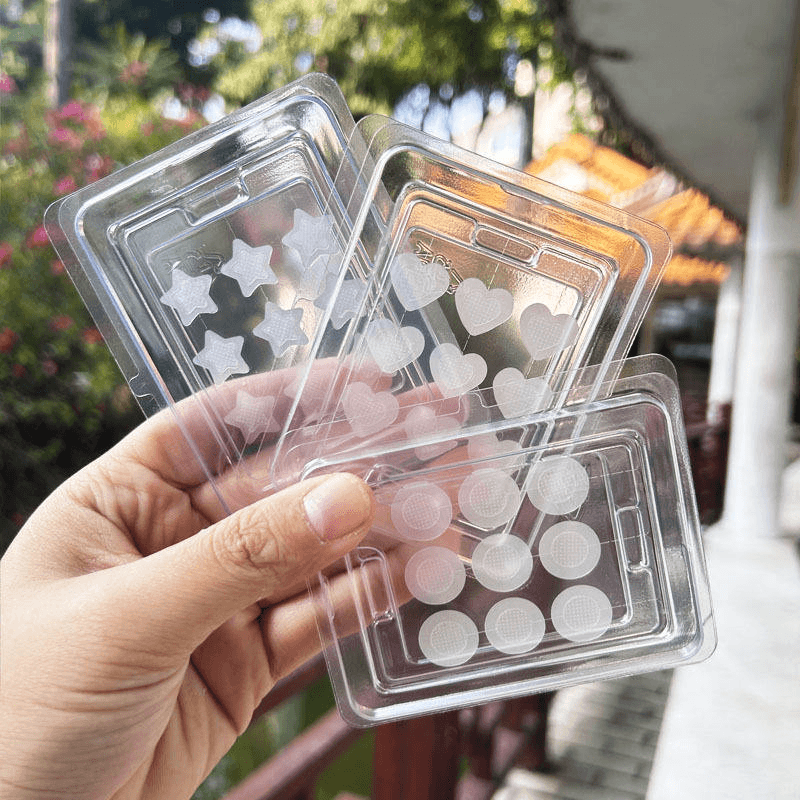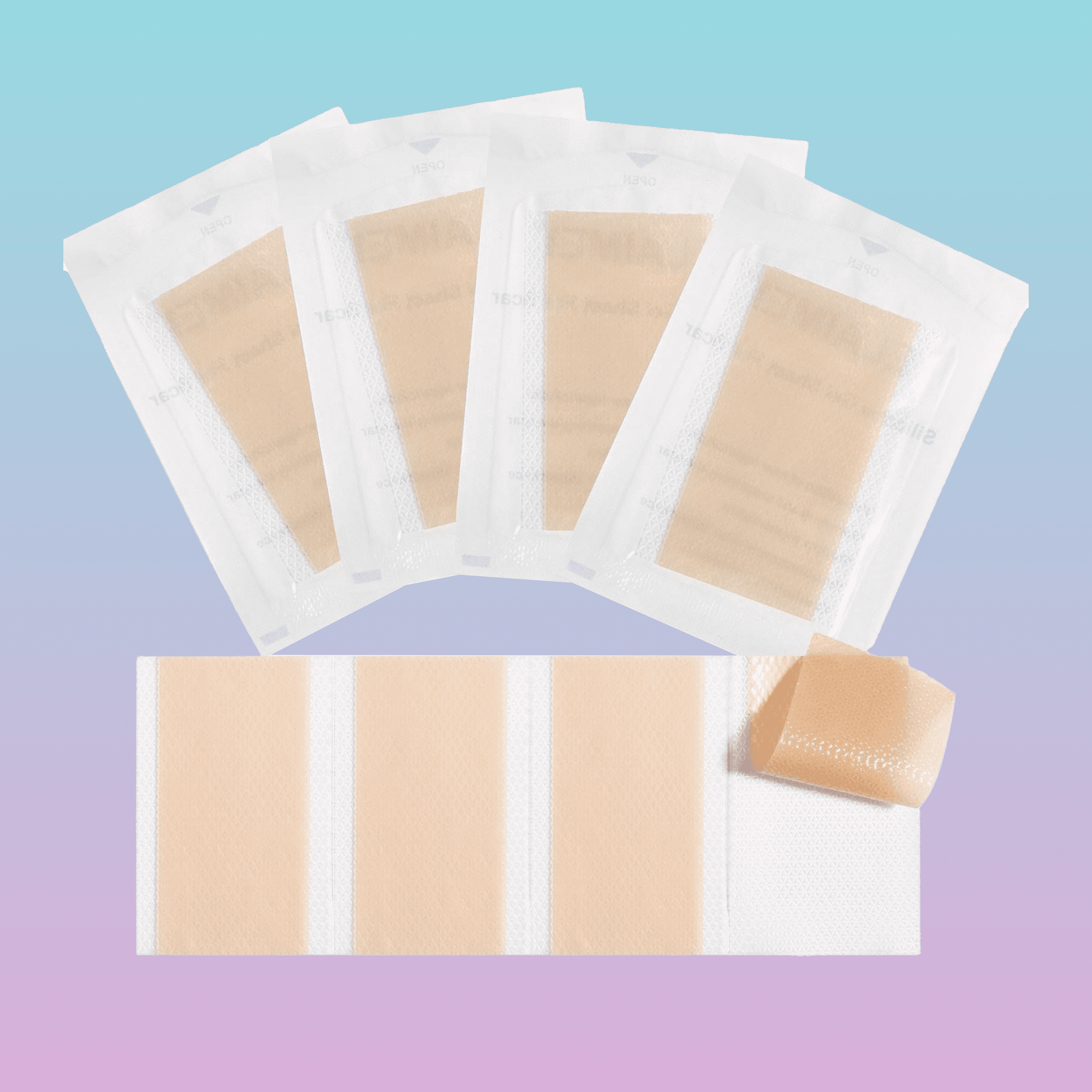
VEILTA
09/20/2025
Scars can be more than just a physical reminder of past injuries or surgeries; they can also have emotional and psychological impacts. For those seeking to minimize their appearance, finding an effective treatment is crucial. One such solution that has gained significant attention is hydrocolloid dressings. But how effective are they for scar healing? In this article, we'll delve into how hydrocolloid dressings work, their benefits, and whether they're the right choice for your scar treatment.
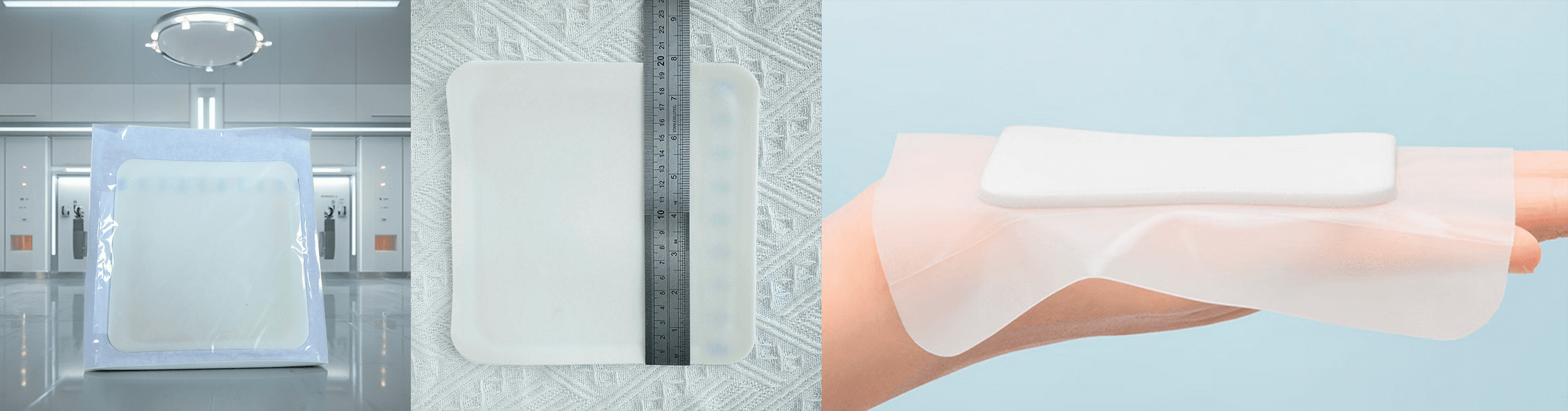
Hydrocolloid dressings are a type of wound care product designed to create an optimal healing environment. They are crafted from a combination of gel-forming agents, like gelatin or pectin, and are typically backed by a polyurethane film or foam. When applied to a wound, the dressing transforms into a gel-like substance that absorbs exudate, or wound fluid, and helps maintain a moist environment.
The unique composition of hydrocolloid dressings is what makes them so effective. The gel-forming agents are key to absorbing wound exudate while maintaining moisture. This structure allows the dressing to conform closely to the wound, creating a protective barrier. The polyurethane film or foam backing adds an additional layer of protection, preventing bacteria and contaminants from reaching the wound.
Hydrocolloid dressings work by creating a moist environment conducive to wound healing. This environment facilitates several healing processes:
Hydrocolloid dressings come in various shapes and sizes, each suited for different types of wounds and scars. Some are thin and flexible, ideal for areas with a lot of movement, while others are thicker, providing additional cushioning and protection. The choice of dressing can depend on the locati0n, size, and nature of the scar or wound.
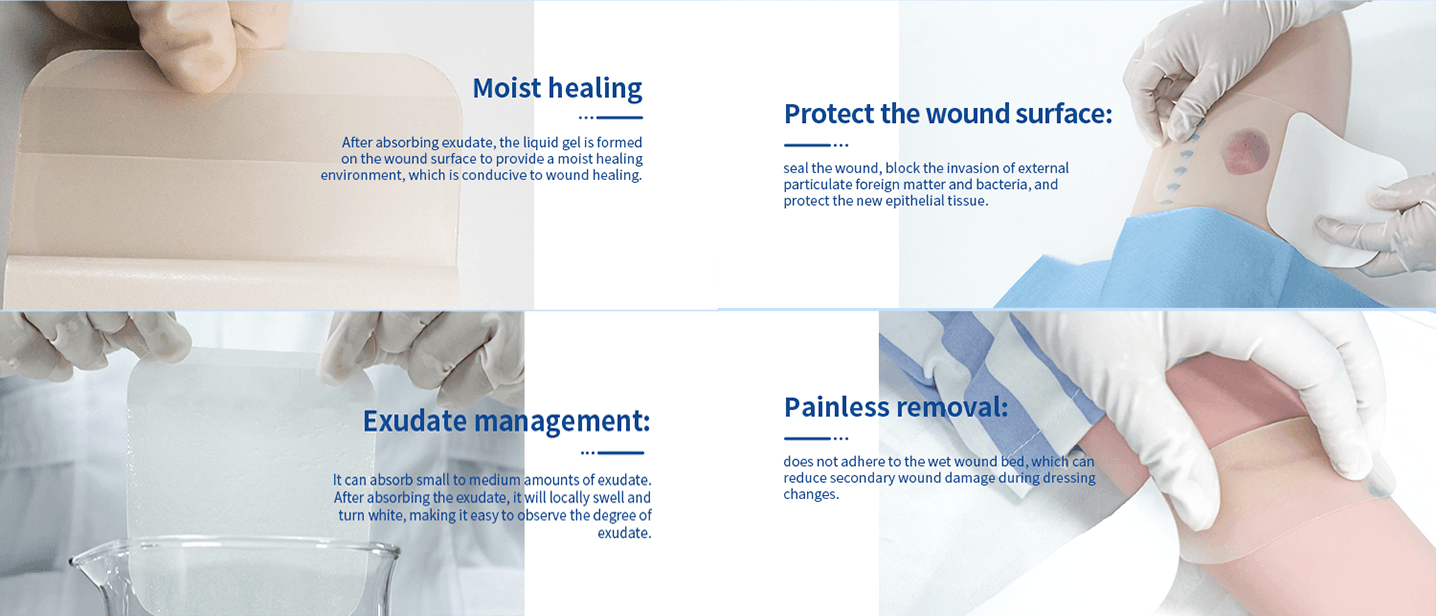
Hydrocolloid dressings offer a multitude of advantages when used for scar treatment. Here are some of the key benefits that make them a popular choice:
The moist environment fostered by hydrocolloid dressings can significantly speed up the healing process. This is particularly advantageous for scars, as faster healing often leads to less pronounced scarring. Over time, the dressing aids in flattening and smoothing out scar tissue, enhancing cosmetic outcomes.
One of the standout features of hydrocolloid dressings is their comfort. Their flexibility allows them to conform to the body's natural contours, making them suitable for various body parts. This adaptability ensures that they remain secure and effective, even on areas that experience frequent movement. Moreover, these dressings can be left in place for several days, minimizing the need for frequent changes and enhancing user convenience.
By creating a barrier against bacteria, hydrocolloid dressings effectively minimize the risk of infection. This is crucial in wound and scar management, as infections can exacerbate scarring. The sealed environment provided by these dressings helps maintain a sterile area, promoting uninterrupted healing.
Hydrocolloid dressings are versatile enough to be used on a wide range of wounds, from minor cuts and abrasions to more significant surgical wounds. This versatility makes them an attractive option for individuals seeking a comprehensive solution for various types of scars. Their ability to adapt to different wound shapes and sizes further underscores their practicality.
The question remains: does hydrocolloid help scars? While individual results may vary, there is substantial evidence suggesting that hydrocolloid dressings can be beneficial for scar management.
Numerous scientific studies have investigated the efficacy of hydrocolloid dressings in scar healing. Research consistently indicates that these dressings can enhance scar appearance by promoting faster healing and reducing inflammation. The moisture-retentive properties of hydrocolloid dressings are linked to less visible scarring when compared to traditional dry healing methods. These findings underscore the potential of hydrocolloid dressings as a viable scar treatment option.
In addition to scientific evidence, many individuals who have used hydrocolloid dressings for scars report positive outcomes. Users frequently note that their scars become less noticeable and smoother to the touch after consistent use. Personal testimonials highlight the comfort and convenience of these dressings, further validating their effectiveness in everyday use.
Despite their benefits, hydrocolloid dressings may not be suitable for every type of scar or skin condition. It's important to consider the nature of the scar, skin sensitivity, and any potential allergies before use. Consulting with a healthcare professional can provide personalized guidance and help determine the appropriateness of hydrocolloid dressings for specific scar treatments.
by Linden Veilta (https://www.youtube.com/@linden-veilta)
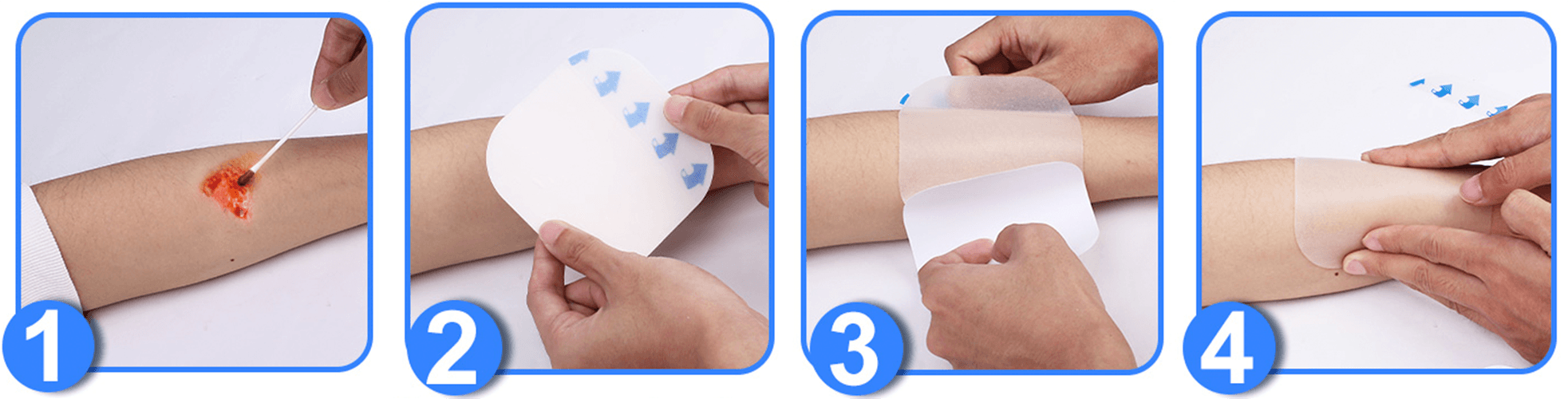
To achieve optimal results with hydrocolloid dressings, it's essential to follow the correct application steps:
Before applying the dressing, ensure the scar area is clean and dry. Use mild soap and water to gently cleanse the skin, removing any dirt or debris. After cleaning, pat the area dry with a clean towel to ensure no moisture remains that could affect adhesion.
Choose a hydrocolloid dressing that adequately covers the scar, ensuring it extends slightly beyond the edges to provide full coverage and protection. Selecting the right size is crucial for maximizing the dressing's effectiveness and maintaining a secure fit.
Carefully remove the backing from the dressing and apply it over the scar. Press down gently to ensure it adheres securely to the skin, avoiding any wrinkles or air bubbles that could compromise its effectiveness. Proper application is key to creating an optimal healing environment.
Hydrocolloid dressings can typically be left in place for several days. However, it's important to monitor the dressing for signs of leakage or detachment. Replace the dressing as needed, or if it becomes saturated with fluid, to maintain a clean and effective healing environment.
While hydrocolloid dressings offer numerous benefits, they may not be suitable for everyone. Consider the following factors when deciding if they are the right choice for your scar treatment:
Hydrocolloid dressings are most effective for mild to moderate scars. For severe or deep scars, consulting a healthcare professional is advisable to explore alternative treatment options. Understanding the nature of your scar is crucial in determining the most appropriate treatment approach.
Some individuals may experience irritation or an allergic reaction to the materials in hydrocolloid dressings. If you have sensitive skin, it's recommended to perform a patch test before full application. Monitoring for any adverse reactions can help ensure safe and effective use.
Hydrocolloid dressings are generally affordable and widely available at pharmacies and online. However, consider your budget and the frequency of use when making your decision. Evaluating cost-effectiveness in conjunction with treatment goals can help determine if hydrocolloid dressings are a viable long-term solution.
Hydrocolloid dressings can be a valuable tool in scar management, offering benefits like improved healing, comfort, and reduced infection risk. While they are not a miracle cure, they can significantly enhance the appearance of scars for many individuals. As always, consider your specific needs and consult a healthcare professional if you have concerns about using hydrocolloid dressings for scar treatment. The journey to scar improvement is personal, and making informed decisions can lead to better outcomes.