Spa and wellness brands today seek experiential retail products that extend treatment revenue beyond the treatment room. Foot patches — designed for detox, relaxation, circulation, or intensive repair — are compact, high-margin SKUs that fit perfectly into spa retail, hotel amenities, subscription boxes, and corporate wellness programs.
For B2B buyers, launching a private-label foot patch line via a professional OEM partner requires technical insight: material science, actives selection, adhesion technology, regulatory testing, and premium packaging. This guide walks you through everything a spa or wellness buyer needs to know to create a scalable, compliant, on-brand foot patch product.
Market Opportunity & Buyer Insight
- The global wellness product segment continues growing as consumers prioritize self-care and at-home spa rituals.
- Foot-care patches combine ritual (evening routine) with perceived efficacy, driving repeat purchases and strong unit economics.
- For B2B buyers, foot patches are ideal: small SKU size, low logistics cost, easy retail placement, and high perceived value when paired with spa services.
Key buyer personas: spa procurement managers, retail category buyers, hotel amenities managers, corporate wellness purchasers, and private label brand founders.
Product Types & Use Cases
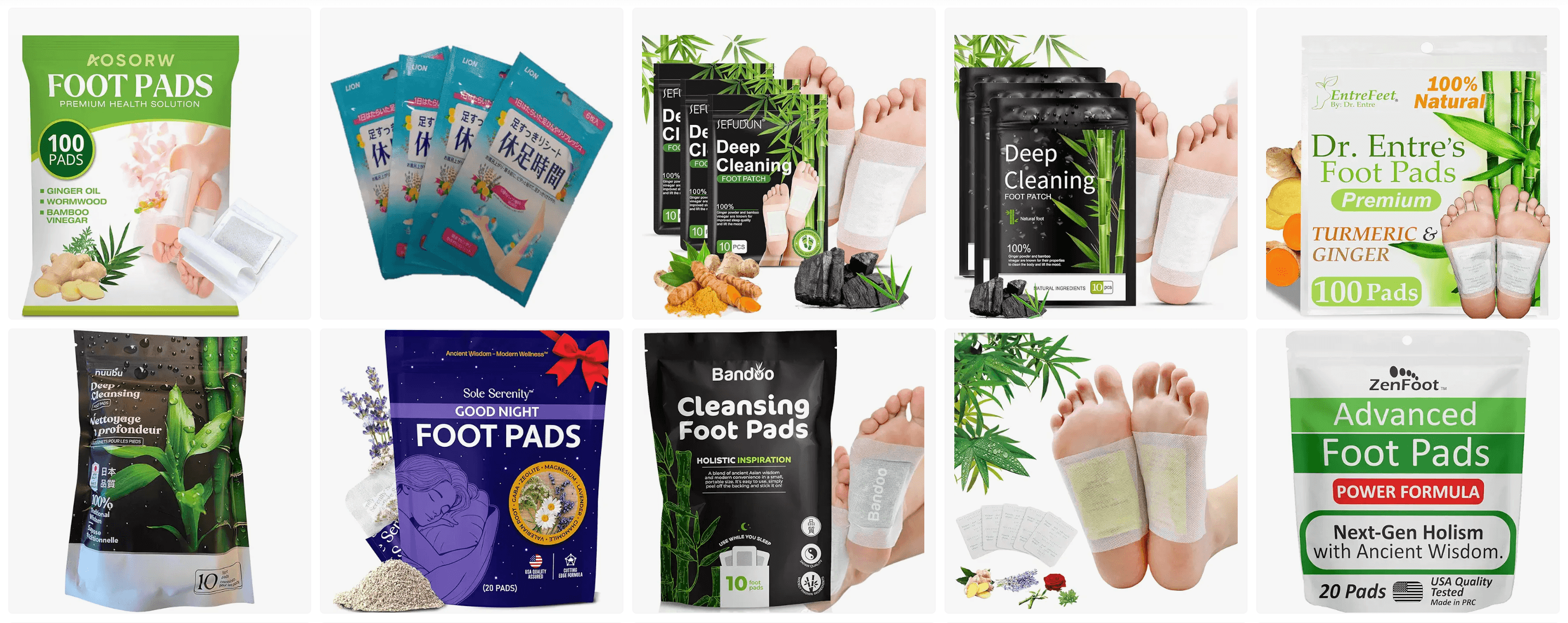
Common product types you can OEM-develop:
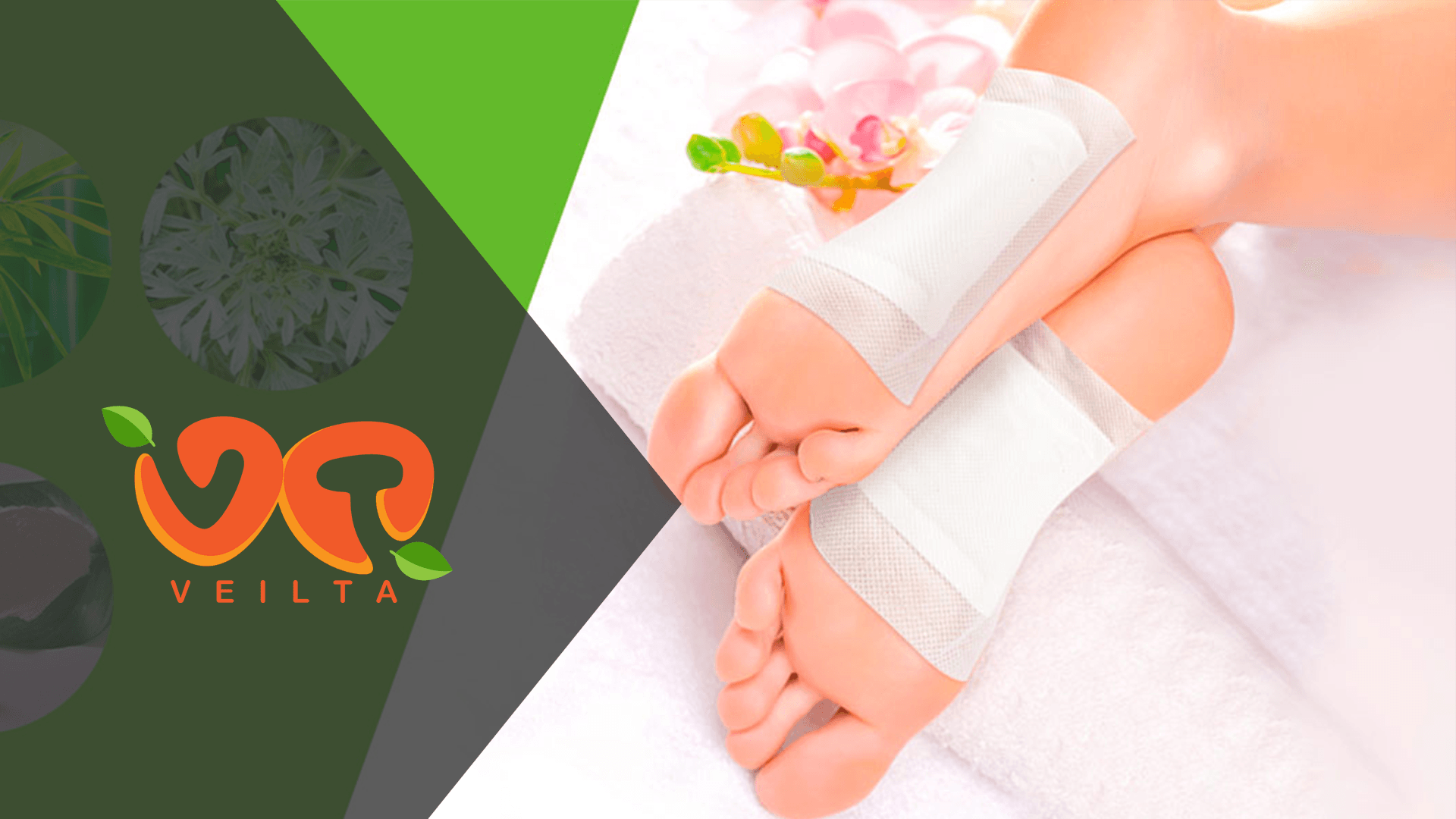
- Herbal Detox Patches — Plant powders, wood vinegar, and mineral blends; marketed for overnight detox ritual.
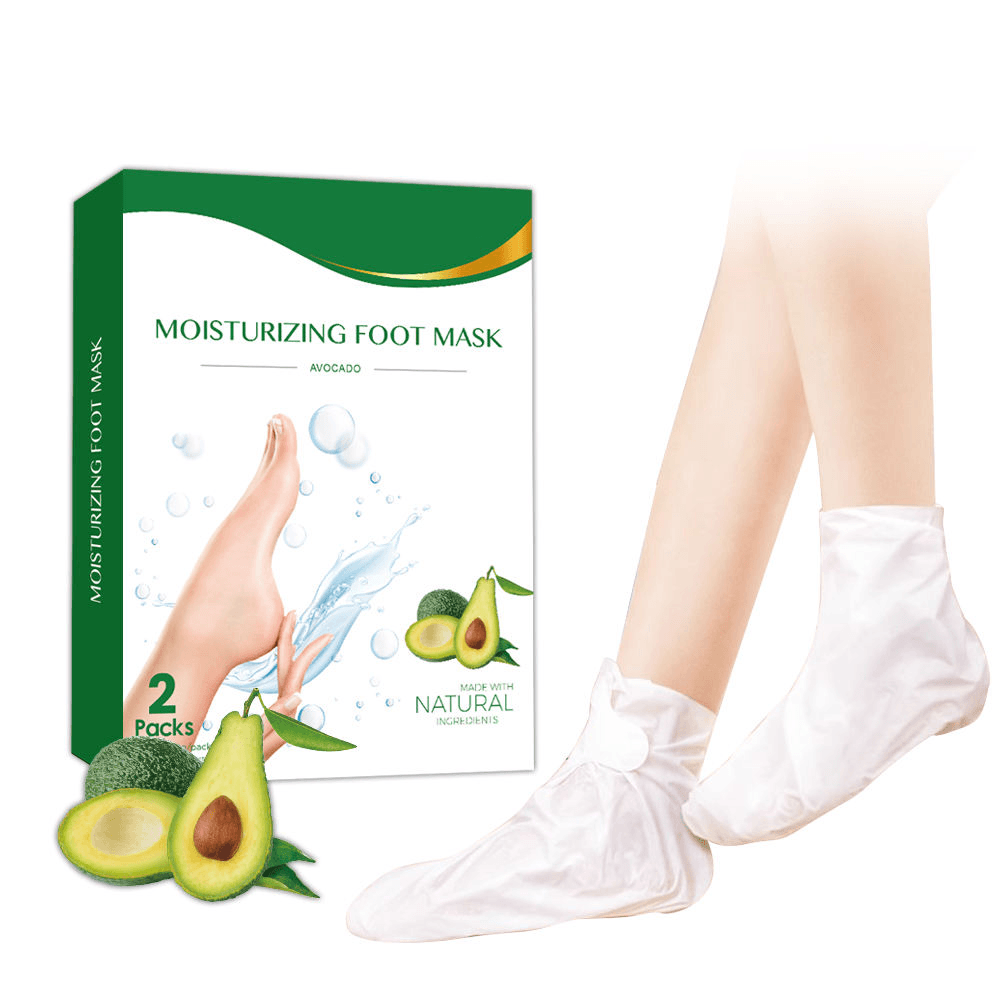
- Hydrogel Moisturizing Pads — Rich humectants and emollients for dry/cracked heels.
- Warming / Thermo Patches — Capsaicin or ginger derivatives for circulation and comfort.
- Cooling / Refresh Patches — Menthol and peppermint for travel relief and fatigue.
- Aromatherapy & Relaxation Patches — Lavender, chamomile blends for sleep-support rituals.
- Medical-Grade Repair Patches — Urea, allantoin, ceramides for cracked skin/professional salon use.
Each format appeals to different retail channels: spas and hotels prefer luxury hydrogel or aromatherapy variants; mass retail favors value detox strips; corporate gifting leans toward premium boxed sets.
Key Ingredients & Functional Claims
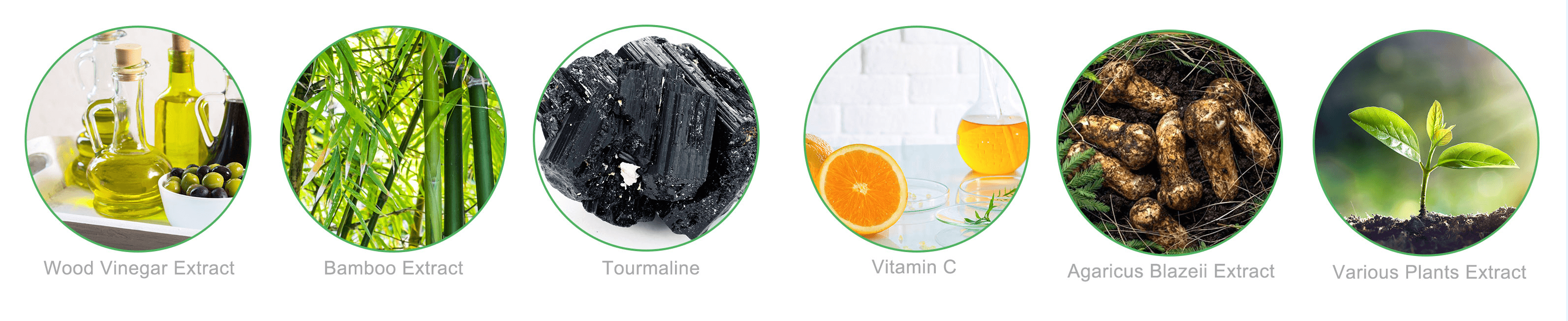
High-performing formulations are a balance of sensory, safety, and efficacy:
- Moisturizers & Emollients: Glycerin, hyaluronic acid (low MW for skin), shea butter derivatives.
- Keratolytics & Repair: Urea (5–10%), allantoin, panthenol — for cracked heels and callus repair.
- Circulation Actives: Capsicum extracts or ginger — used in low concentrations for warming effect.
- Cooling Agents: Menthol, peppermint oil — provide instant relief.
- Detox & Mineral Blends: Bamboo vinegar, tourmaline, charcoal — primarily for ritual positioning.
- Aromatics & Soothers: Lavender, chamomile, centella asiatica for relaxation and reduced irritation.
Note: Claims must be substantiated by test data. “Detox” is a marketing positioning — any clinical claim must be supported by data.
Substrate & Adhesive Technologies
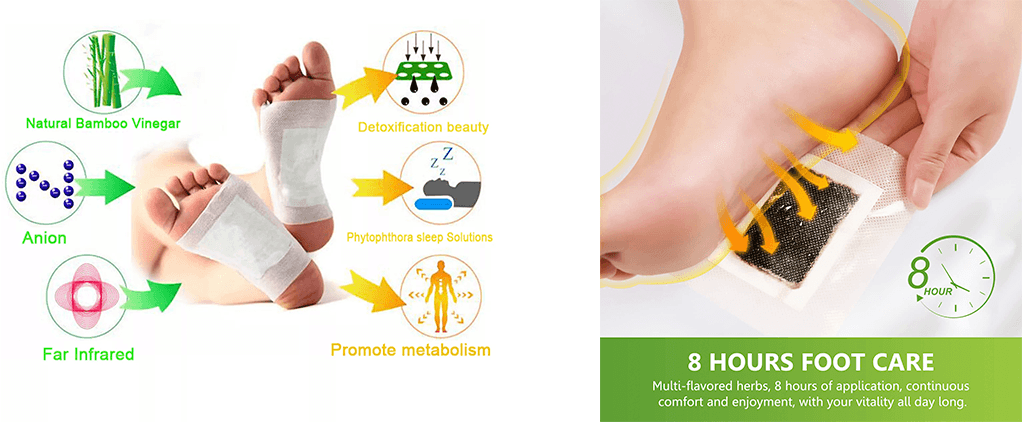
Material choices determine wearability and experience:
- Hydrogel matrices: Soft, conforming, high essence loading, ideal for premium spa products.
- Non-woven/film with essence pads: Cost-effective; good for single-use detox patches.
- Silicone or TPU film bases: Reusable or semi-reusable pads for high-end wellness lines.
- Adhesive tech: Medical-grade skin adhesives with balanced tack so patches stay overnight but remove cleanly without residue.
OEM customization: dual-layer designs (essence reservoir + backing film), perforated cuts for heel/arch fit, and anti-slip microtextures.
OEM Development Workflow (Practical Timeline)
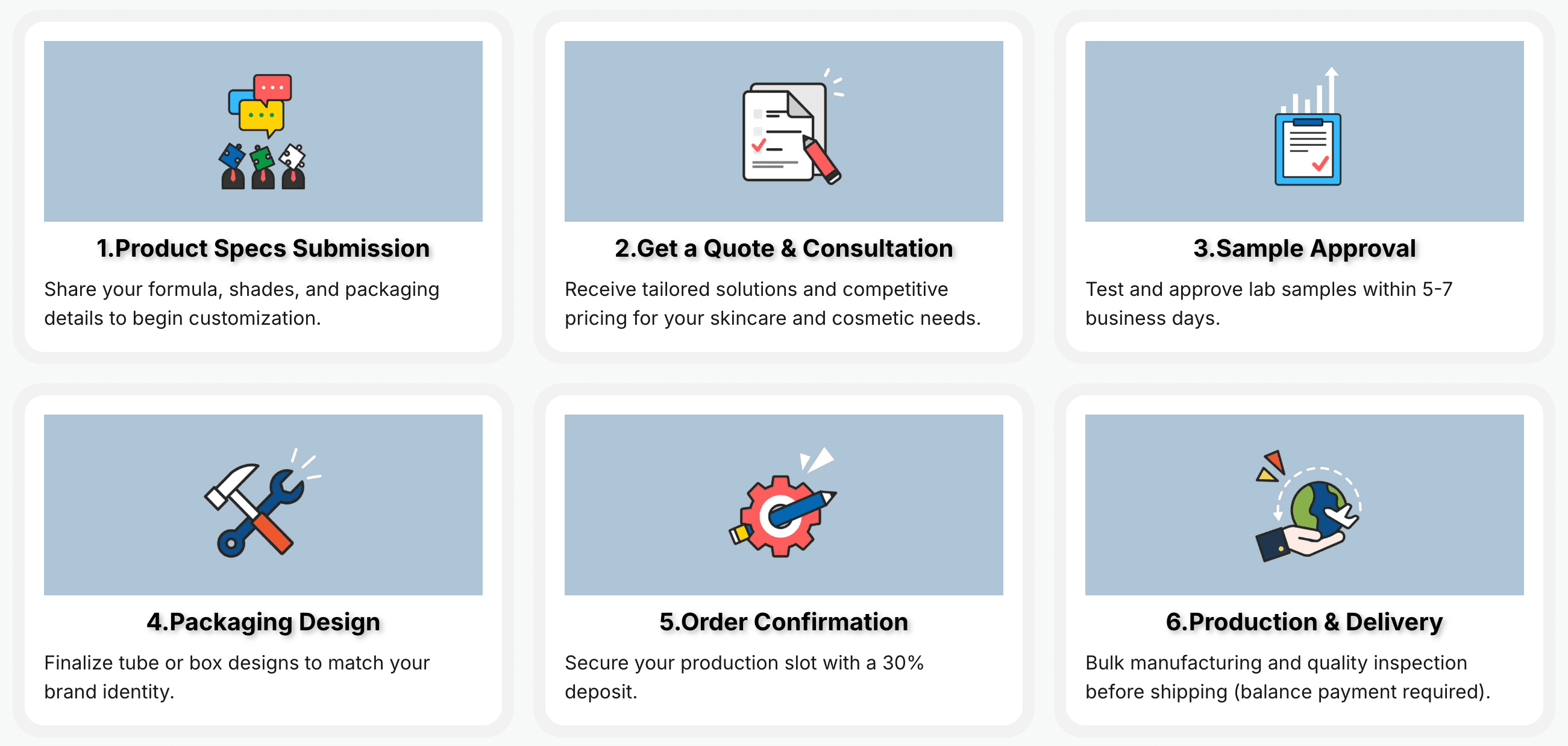
A reliable OEM partner will offer a clear development path:
- Discovery & Concept (0–7 days): Define target audience, claims, price band, and packaging vision.
- Formula & Material Proposal (7–14 days): R&D proposes actives, substrate, and initial sensory profile.
- Prototype Sampling (7–10 days): Produce 1–3 prototypes for in-house evaluation.
- Testing Phase (2–6 weeks): Adhesion, wear-time, irritation (patch test), and stability under accelerated conditions.
- Packaging Proof & Artwork (7–14 days): Dielines, materials, and sustainability options.
- Compliance & Documentation (parallel): MSDS, COA, stability records, and required country registrations.
- Pilot Production (2–3 weeks): Small batch run to verify process control.
- Mass Production & Delivery (2–6 weeks): Scaled to MOQ with QC checkpoints.
Typical MOQ: 5,000 – 10,000 units, flexible for bundled SKUs or simple film formats.
Compliance, Safety & Testing

Critical tests for B2B market entry:
- Microbial limits & preservative efficacy (if water activity permits).
- Dermatological irritation/patch testing on panel for sensitive skin claims.
- Stability (accelerated & real-time) for integrity of active levels and adhesion.
- Material safety (cytotoxicity/biocompatibility) for medical-grade or repair patches.
- Label and claims compliance per target market (EU, US, ASEAN, CN).
Your OEM should deliver dossiers (MSDS, COA, test reports) to support retail buyers and regulatory filings.
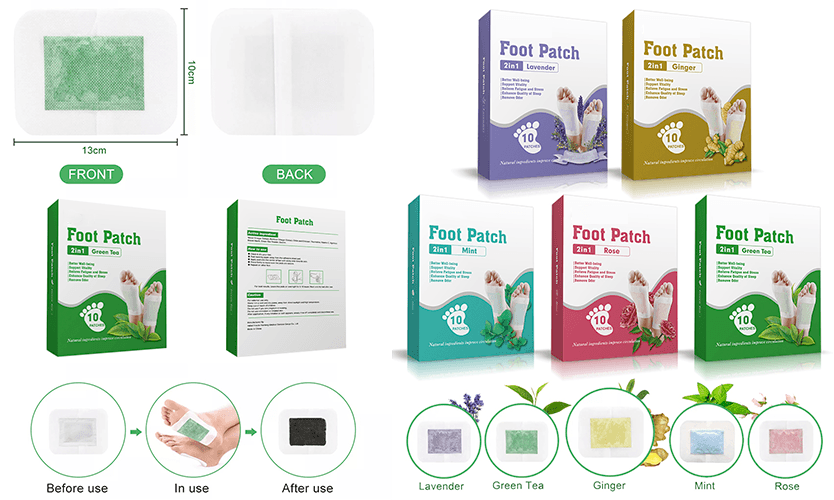
Options to drive margin and brand affinity:
- Single-use foil sachets — retail-friendly, hygienic.
- Gift boxed spa sets — high AOV (average order value) for hotel boutiques and gift shops.
- Sampler packs — trial bundles for new guests.
- Subscription refill boxes — recurring revenue model for wellness clubs.
- Hotel amenity kits — co-branded small packs for in-room retail.
Sustainability choices: PCR pouches, compostable outer boxes, minimal inserts — important for wellness consumers.
Go-to-Market & B2B Sales Strategies
- In-Spa Upsell: Train therapists to add patches as an upgrade during treatments.
- Retail Placement: Beside massage oils, body scrubs, or in the checkout impulse zone.
- Hotel Partnerships: Amenity and retail co-branding for traveler exposure.
- Corporate Wellness Programs: Bulk corporate gifting + branded wellness kits.
- E-commerce & Subscription: Offer starter kits via brand site and include replenishment plans.
Leverage before/after visuals, professional testimonials, and ingredient transparency to win distributor confidence.
Sustainability & Reusability Trends
Consumers increasingly value eco solutions. For foot patches that can claim sustainability:
- Use biodegradable films or low-impact hydrogel matrices.
- Offer refillable boxed kits where inner sachets are compostable.
- Reduce secondary packaging and use FSC-certified paper for boxes.
Communicate lifecycle benefits clearly to B2B buyers — sustainability is now a procurement KPI for many chains.
Mini Case Example (Hypothetical)
Spa X partnered with an OEM to create “Night Renew Foot Patches”: hydrogel matrix, urea 8%, lavender blend, deluxe foil sachet, and 6-pack retail box. After pilot launch in 10 locations, Spa X saw a 15% increase in retail revenue and strong reorder rates via guest email subscriptions.
This demonstrates how tailored OEM solutions convert in-clinic trust into retail sales.
Conclusion
Foot patches are a strategic SKU for spa and wellness brands — low complexity, high margin, and flexible for brand storytelling. Choosing the right OEM partner ensures science-backed formulations, clean compliance, and premium packaging that translates in-clinic trust into retail revenue.
Partner with an experienced OEM to prototype quickly, test rigorously, and scale smartly — turning an in-spa ritual into a profitable retail and B2B channel.