VEILTA
10/10/2025
The eye patch category looks simple from the outside, but it is not.
For a new or growing skincare brand, the first real question is often not which supplier to contact first. It is which product type to launch first.
That decision matters because different eye patch formats serve different brand positions, price points, customer expectations, and sales channels. A format that works well for Amazon may not be the best first SKU for a spa channel. A product that feels attractive for social content may not be the easiest one to scale into a full line.
For brands planning an eye patch private label OEM project, product selection is one of the most important early decisions.
This guide explains how to choose the right eye patch type for your first launch, how different formats fit different business stages, and how to plan a smarter expansion path over time.
A brand can choose a strong supplier and still choose the wrong product.
That is because supplier selection and product selection solve different problems.
For private label eye patch launches, the first product often shapes:
This is why the first SKU should not be chosen only because it looks trendy. It should be chosen because it makes sense for the brand's current stage.
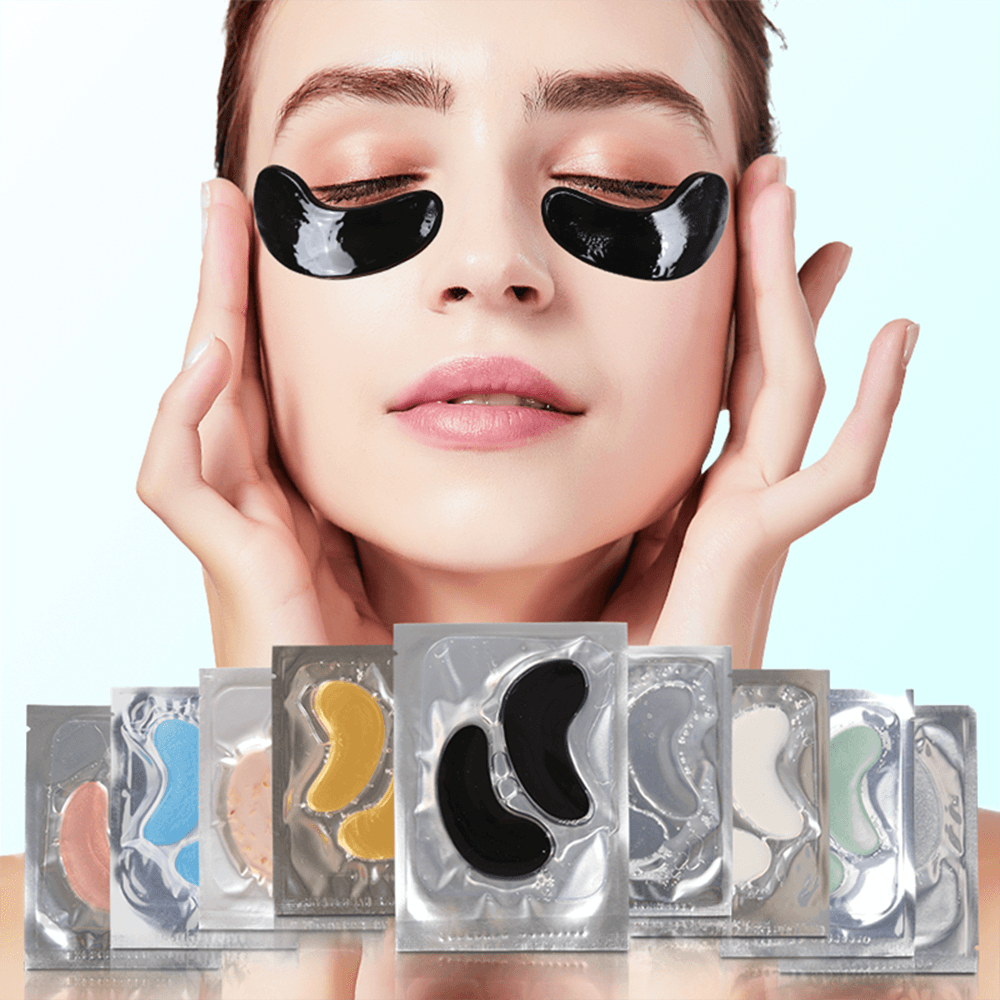
The eye patch category includes multiple product types with different commercial roles.
Below is a practical overview of the most common formats.
| Eye Patch Type | Core Selling Point | Typical Retail Position | Best Fit for Brand Stage |
|---|---|---|---|
| Hydrogel | Cooling feel, hydration, familiar format | Entry to mid-range | Early-stage to growth |
| Collagen | Firming and smoother-skin story | Entry to mid-range | Early-stage to growth |
| Bio-cellulose | Premium material story, closer fit | Mid to premium | Growth to premium |
| Silicone | Reusable or treatment-support angle | Mid-range to niche | Niche or differentiated brands |
| Gold | Premium visual signal and giftable feel | Mid to premium | Social, gifting, premium beauty |
| Microneedle | Advanced treatment-style concept | Premium to specialty | Premium, clinical, innovation-led |
This overview is not only about formula type. It is about what the product means commercially.
Hydrogel eye patches are one of the most common formats in the category.
For many brands, hydrogel is one of the safest first-SKU choices because it balances familiarity, pricing flexibility, and operational simplicity.
Collagen eye patches are also common in private label programs and are often used for smoother-skin or firmer-look positioning.
For some brands, collagen patches are easier to sell than more technical formats because the customer already understands the category story.
Bio-cellulose is usually a more premium format.
This type is often more suitable when the brand already has a clearer premium identity.
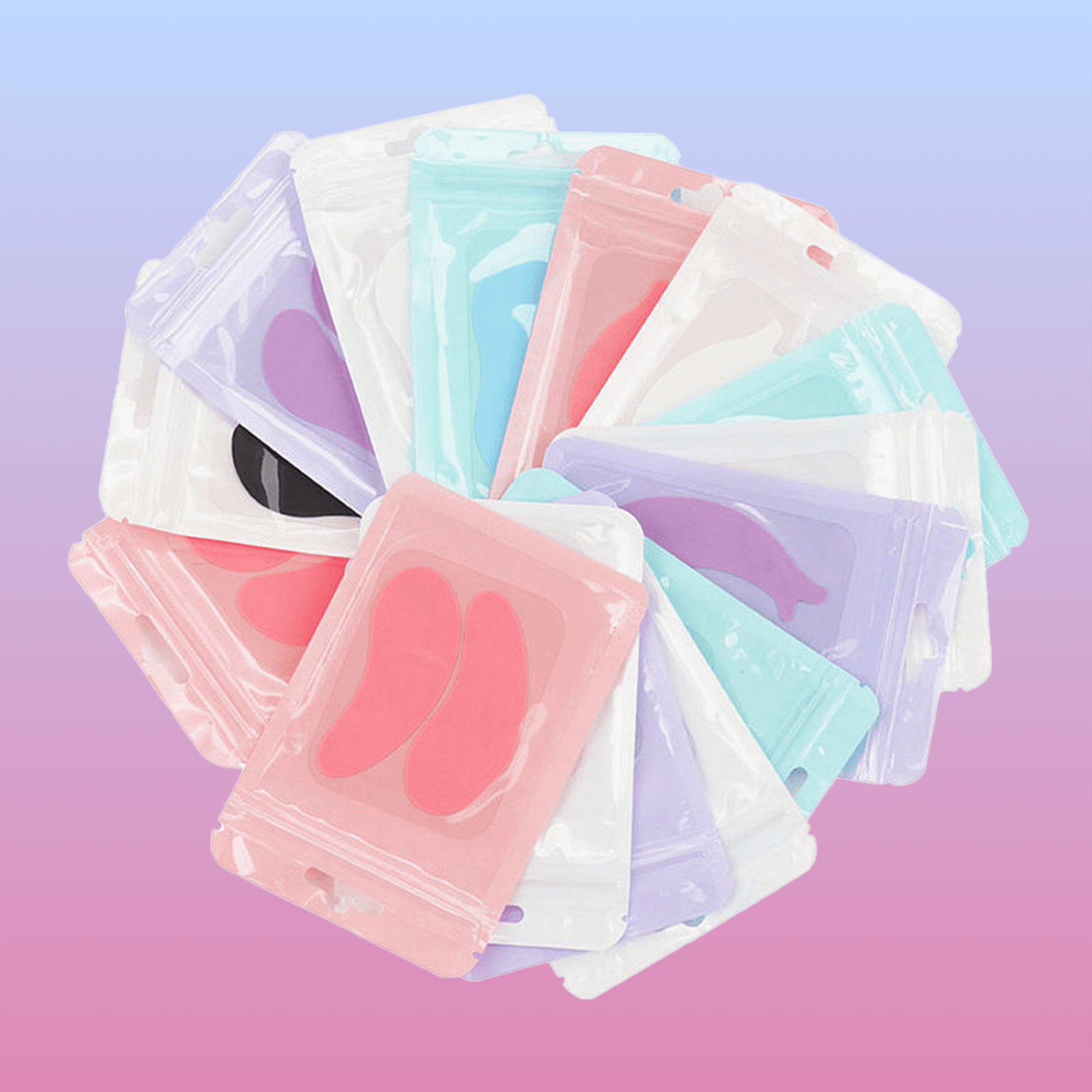
Silicone eye patches can support a more niche positioning, especially when the angle involves reusability or a more specialized treatment routine.
Silicone formats can be interesting, but they are not always the easiest first launch because the consumer education burden can be higher.
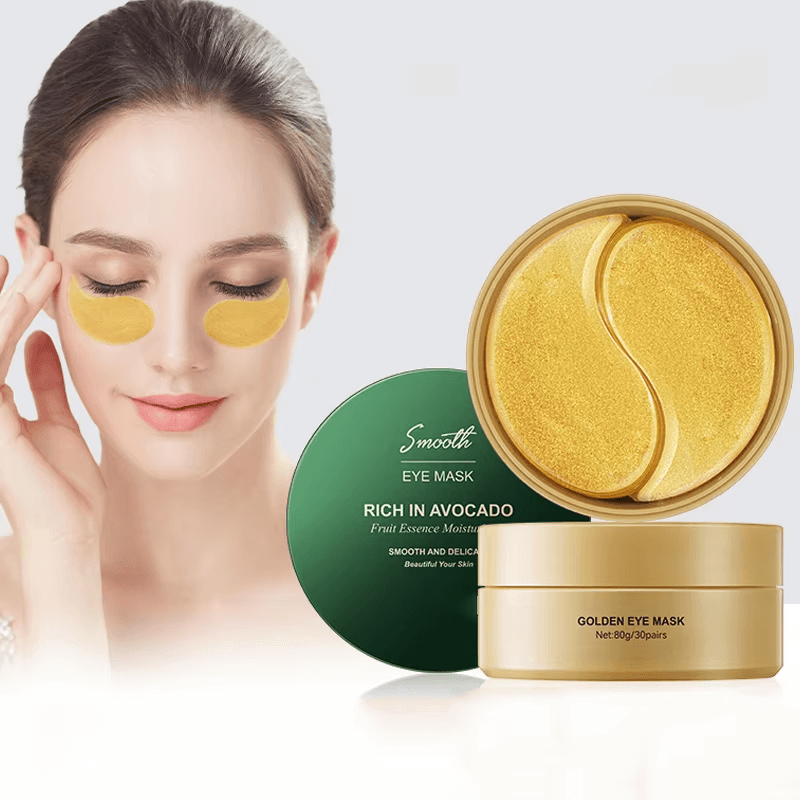
Gold eye patches are often chosen because of visual appeal as much as formula story.
This format can work well when packaging and visual identity are a major part of the brand strategy.
Microneedle eye patches are a more advanced format and are usually positioned as a premium or innovation-led SKU.
Microneedle can be powerful, but it is rarely the most commercially forgiving first SKU.
The right first eye patch depends heavily on where the brand is now.
If the brand is still validating demand, the best first product is usually one that is easier to explain, easier to price, and easier to sell across common channels.
If the brand already has traction and wants to add more differentiation, it can often support a more refined format.
If the brand already has stronger authority, more advanced channels, or a premium customer base, it may be ready for a more technical SKU.
Channel fit is one of the best ways to narrow product choice.
A product can look attractive in theory and still be the wrong fit for how the brand actually sells.
| Sales Channel | Material Type | Complexity Level | MOQ Typical | Manufacturing Cost | Lead Time | Risk Level |
|---|---|---|---|---|---|---|
| E-commerce | Hydrogel | Low | 5,000 | Low | Short | Low |
| Social media brand | Collagen / Hydrogel | Medium | 5,000–10,000 | Medium | Short | Low |
| Beauty salon | Bio-cellulose | Medium | 10,000 | Medium–High | Medium | Low |
| Spa / clinic | Functional hydrogel | Medium–High | 10,000–20,000 | High | Medium | Medium |
| Drugstore | Sensitive-skin hydrogel | Low | 20,000 | Low | Medium | Low |
| Mass retail | Basic hydrogel | Low | 50,000+ | Very Low | Medium | Low |
| Luxury brand | Bio-cellulose premium | High | 10,000 | High | Longer | Medium |
| Dermatology clinic | Repair patch | Medium | 10,000 | Medium–High | Medium | Medium |
| Subscription box | Sample pack | Low | 5,000 | Low | Short | Low |
| Travel retail | Multi-benefit patch | Medium | 10,000 | Medium | Medium | Low |
Eye patch product selection by sales channel for private label brands
The best first product is often the one that fits both your customer and your actual route to market.
Not all eye patch subcategories are equally crowded.
These formats are popular, but they are also easier to copy and often crowded with similar offers.
That does not mean brands should automatically avoid the crowded formats. It means the product story and channel strategy matter more if the format is common.
Some brands make the mistake of choosing the least crowded product type instead of the most workable one.
A better question is:
For many brands, the best first product is not the least crowded format. It is the one with the clearest commercial path.
A smart product choice should not only work today. It should also support expansion later.
A common eye patch expansion path may look like this:
This is often more effective than launching too many formats at once.
For many brands, the progression may look like this:
This approach usually creates a more stable commercial foundation than trying to launch a full-format eye patch portfolio immediately.
For eye patch private label OEM projects, Veilta can support brands not only with manufacturing, but also with product-direction planning.
That may include support for:
For many brands, the most useful first step is not choosing the most advanced format. It is choosing the format that gives the brand the clearest path to launch and repeat demand.
The first question in an eye patch private label product selection OEM project is often not which supplier looks best on paper. It is which product your brand can launch well, explain clearly, and grow from.
That is why the first eye patch should be chosen as a commercial decision, not just a category preference.
If you want the broader supplier-evaluation framework behind MOQ, quality, and factory capability, read our Custom Eye Mask OEM & Private Label Guide
For many new brands, hydrogel or collagen eye patches are the easiest starting point because they are familiar, easier to explain, and easier to position across broad consumer channels.
Usually not for most early-stage brands. Microneedle eye patches can be strong premium products, but they often require more education, stronger positioning, and a more advanced brand setup.
The decision should depend on brand stage, target channel, price position, and how premium or differentiated the first SKU needs to be.
Yes. Products that work well on Amazon may differ from those that perform better in DTC, offline retail, or spa and professional channels.
For many brands, one focused hero SKU is the better starting point. It makes launch execution, pricing, product education, and future expansion easier to manage.