VEILTA
12/01/2025
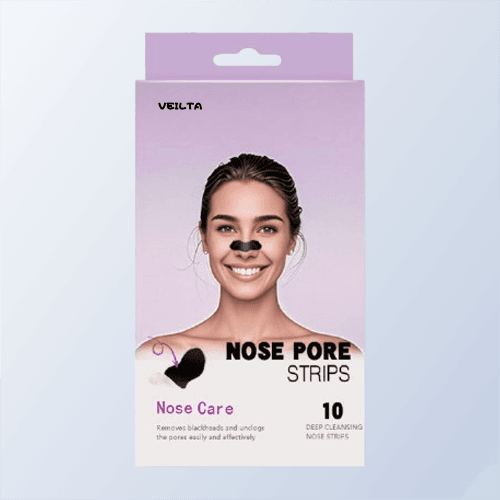
Nose strips have long been a consumer favorite for clearing pores, removing blackheads, and refreshing the T-zone area. But in recent years, OEM nose strip customization has evolved into a profitable niche for global skincare brands. With rising interest in targeted treatment products, private label nose strips are becoming an essential category for retailers, esthetic lines, and D2C beauty startups.
For B2B skincare brands, partnering with a capable OEM nose strip manufacturer offers access to advanced materials, flexible MOQ, fast production cycles, and custom branding opportunities. This guide breaks down everything brands should know—from materials and adhesives to customization options and compliance.
Several industry trends are pushing nose strips into higher demand:
Consumers prefer fast-acting, single-use solutions for specific skin concerns. Nose strips offer visible results in minutes, making them a top seller in retail and ecommerce.
Low manufacturing cost + dramatic results = strong profit margins for brands.
Manufacturers now offer plant-based adhesives, charcoal-infused strips, herbal extracts, and sustainable options.
Brands can bundle nose strips with acne patches, masks, toners, or travel sets—maximizing AOV.
A reliable OEM manufacturer provides flexible material choices depending on brand positioning. The core materials include:
Lightweight, breathable, suitable for drugstores and mass retail.
Great for detox, oil control, and men’s grooming.
More premium; provides hydration while absorbing impurities.
Perfect for brands targeting sustainability.
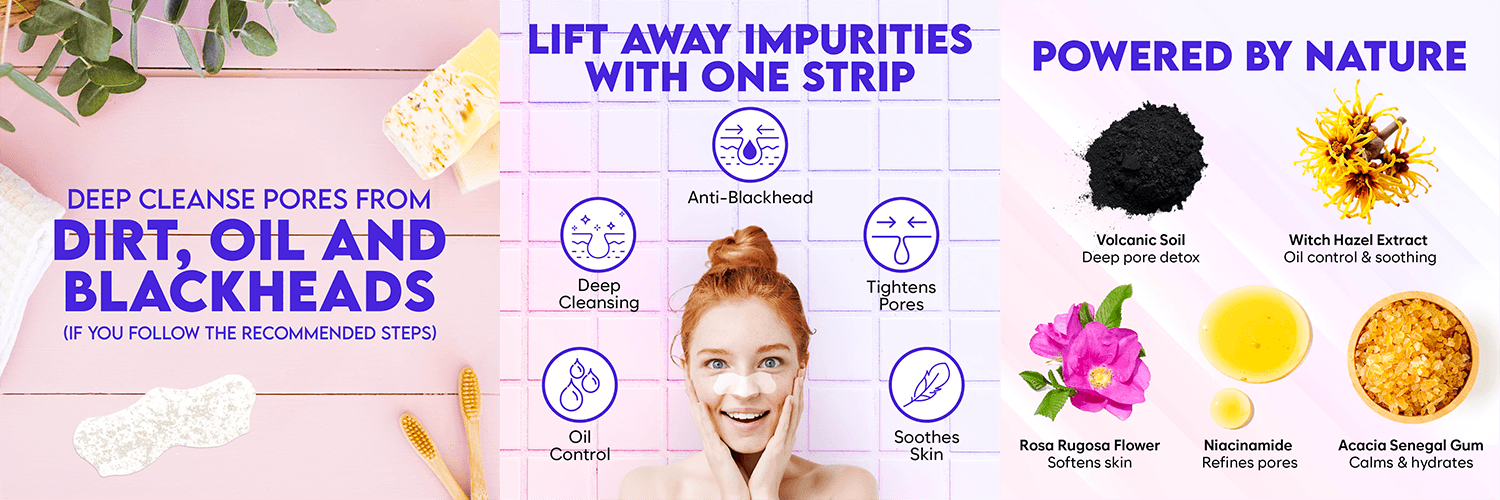
OEM nose strip performance mainly depends on the adhesive layer. Common options include:
The industry standard—strong but gentle enough for most skin types.
Provides better oil absorption and deeper cleansing.
A hybrid innovation that allows nose strips to target acne and inflammation.
For clean beauty positioning using gum-based systems.
Each adhesive type affects drying time, grip strength, peeling comfort, and oil absorption levels.
Brands can infuse:
OEM factories can produce:
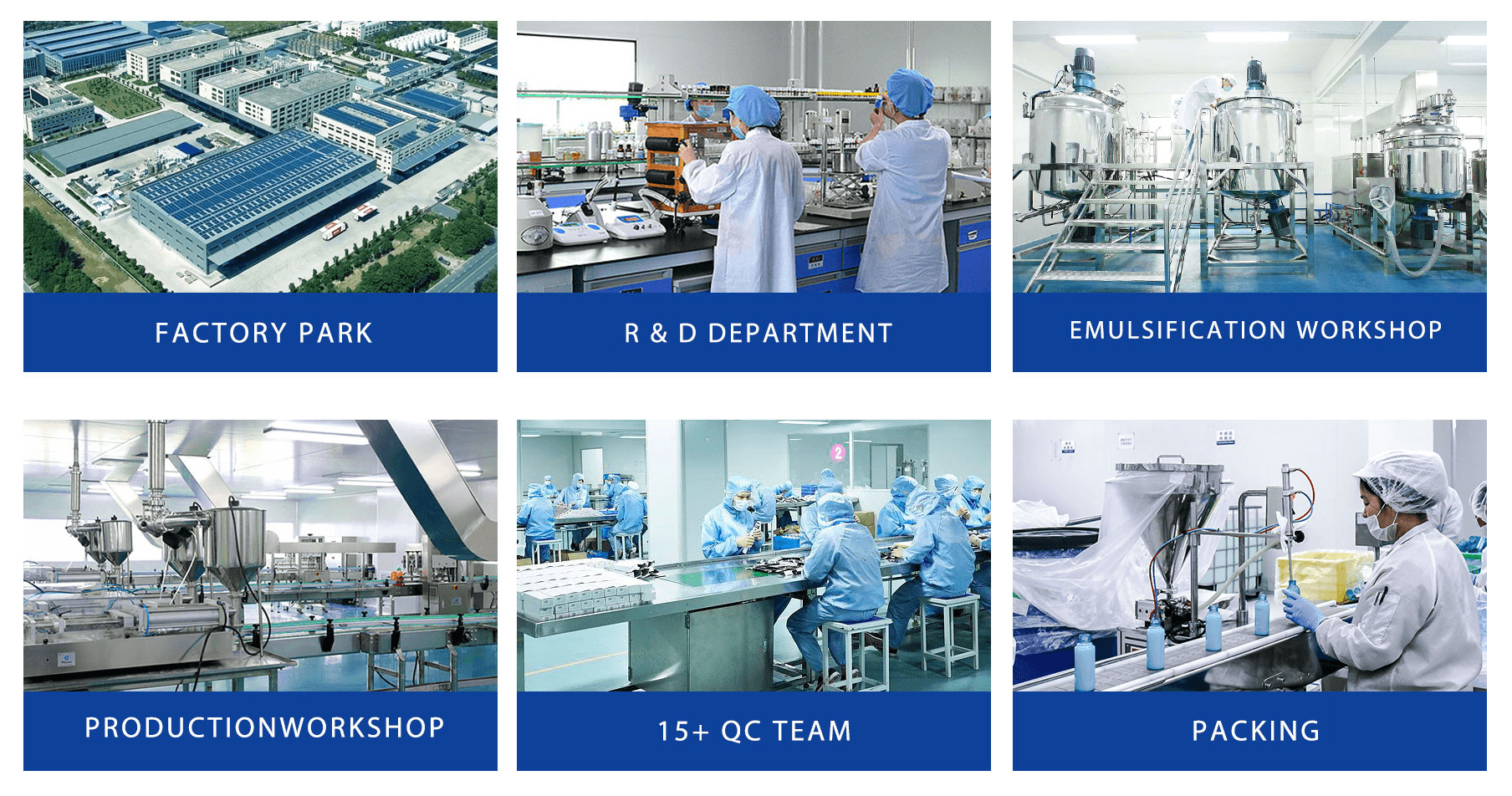
When selecting the right partner, B2B brands should evaluate:
Look for GMP, ISO22716, MSDS, and dermatological testing availability.
Including formulation, adhesive control, packaging, and size adjustments.
Premium factories openly disclose material origin and testing data.
A must for regulatory compliance in EU, US, and Asia.
Top OEM factories offer flexible MOQ suitable for startups and growing brands.
Standard nose strips: 20–30 days
Fully customized versions: 35–50 days
Adding a customized nose strip line helps brands:
OEM nose strips are small, affordable, and easy to brand—making them an ideal entry point for skincare businesses.
As consumer skincare becomes more targeted, OEM nose strips offer a unique opportunity for brands to stand out with effective, affordable, and customizable products. With the help of a professional OEM manufacturer, skincare businesses can create high-performing nose strips tailored to their audience—from charcoal deep-clean formats to sensitive-skin hydrogel versions.
Whether you're a B2B buyer, a private label brand, or a distributor, OEM nose strips provide excellent profitability and scalability with low-entry cost.