VEILTA
09/22/2025
Organic face masks have become a favorite in natural skincare routines thanks to their plant-based, chemical-free formulas. Packed with natural ingredients like aloe vera, honey, and chamomile, these masks are gentle, effective, and eco-friendly. From soothing sensitive skin to offering long-term anti-aging benefits, organic face masks provide one of the best solutions for achieving glowing, healthy skin.
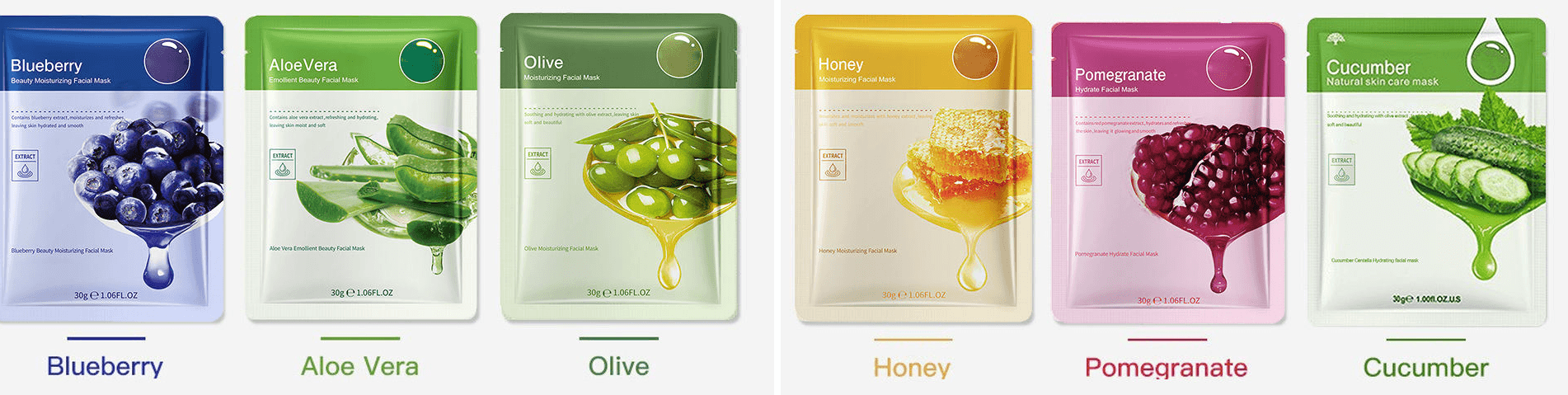
Unlike chemical-heavy products, organic face masks are made with natural ingredients such as aloe vera, honey, oatmeal, and essential oils. These skin-friendly ingredients nourish your skin, restore hydration, and work in harmony with your natural processes. The benefits of organic face masks include not only visible results but also safe, long-term skincare that avoids irritation.
One of the biggest advantages of using organic skincare products is their eco-friendly production. Choosing an eco-friendly organic face mask means supporting sustainable farming and cruelty-free beauty practices. By opting for natural face masks, you’re not only caring for your skin but also helping protect the environment.
If you struggle with skin irritation, redness, or breakouts, organic face masks for sensitive skin can be a game-changer. Free from harsh chemicals, they minimize the risk of allergic reactions. Ingredients like chamomile and oatmeal are known for their calming effects, making these natural masks perfect for soothing inflamed or reactive skin.
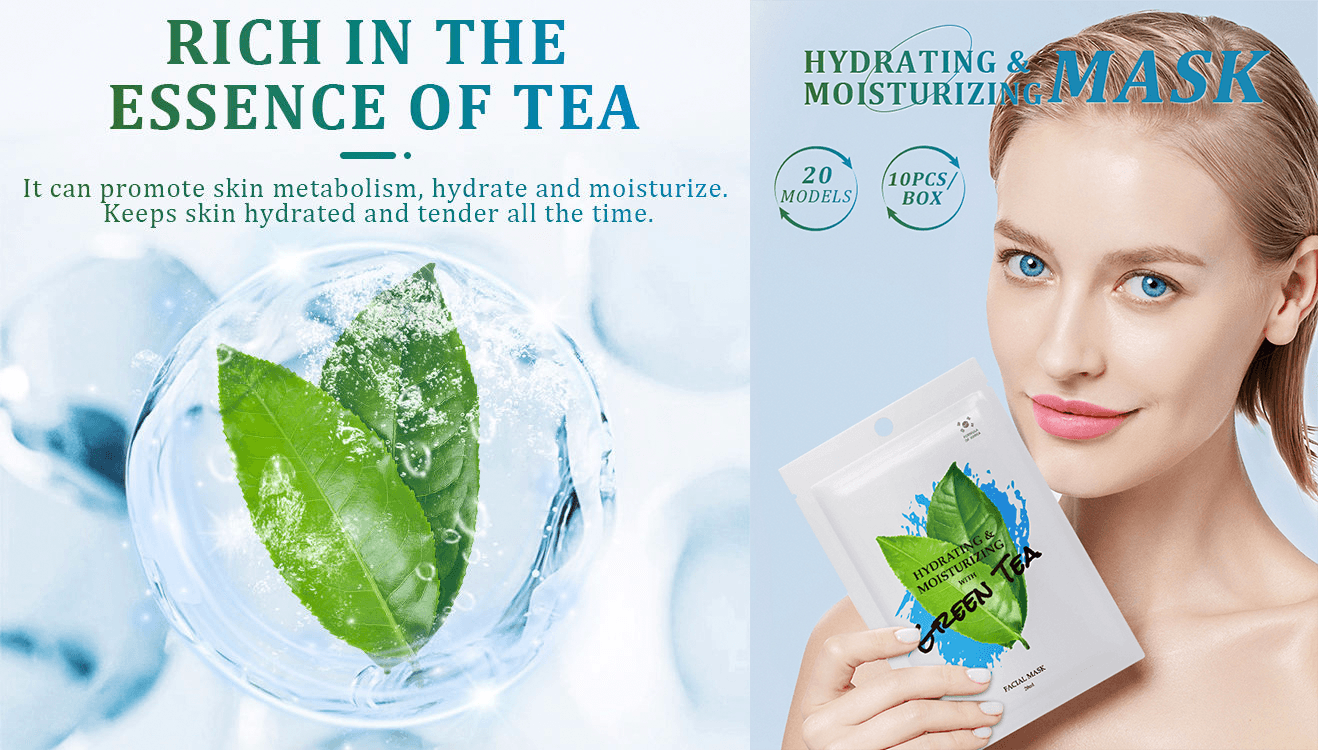
Organic masks are both safe and effective for regular skincare. Whether you want organic sheet masks for hydration, anti-aging solutions, or natural acne treatments, there’s an option to fit your needs. The best organic face masks use plant-based formulations to address concerns like dullness, dryness, fine lines, and acne—all without synthetic additives.
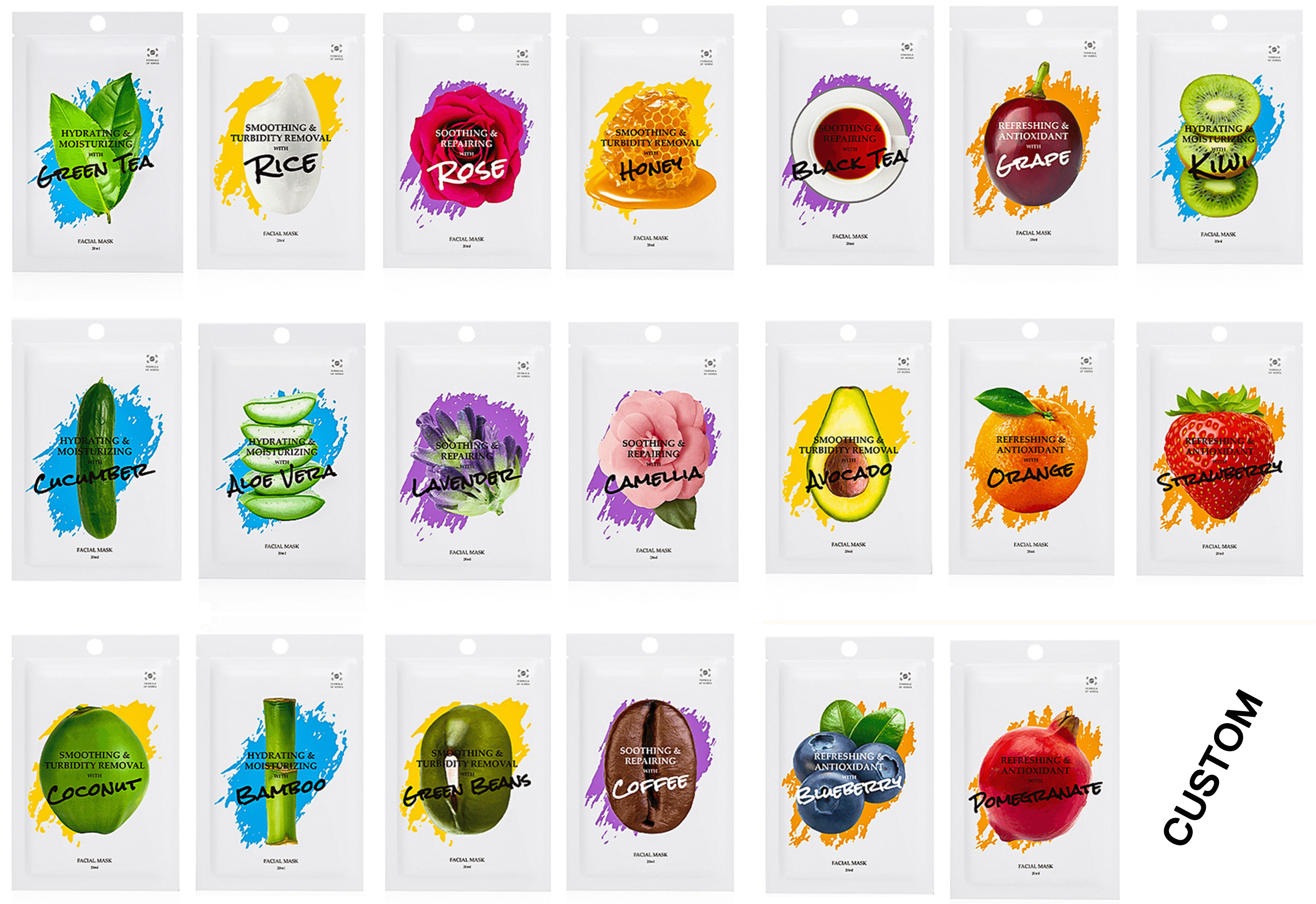
The market offers many types of organic facial masks, including sheet masks, cream masks, and clay-based formulas. Whether you’re searching for the best organic face masks for glowing skin, brightening, or exfoliation, there’s a natural solution available. With such variety, it’s easy to find a product tailored to your unique skin type.
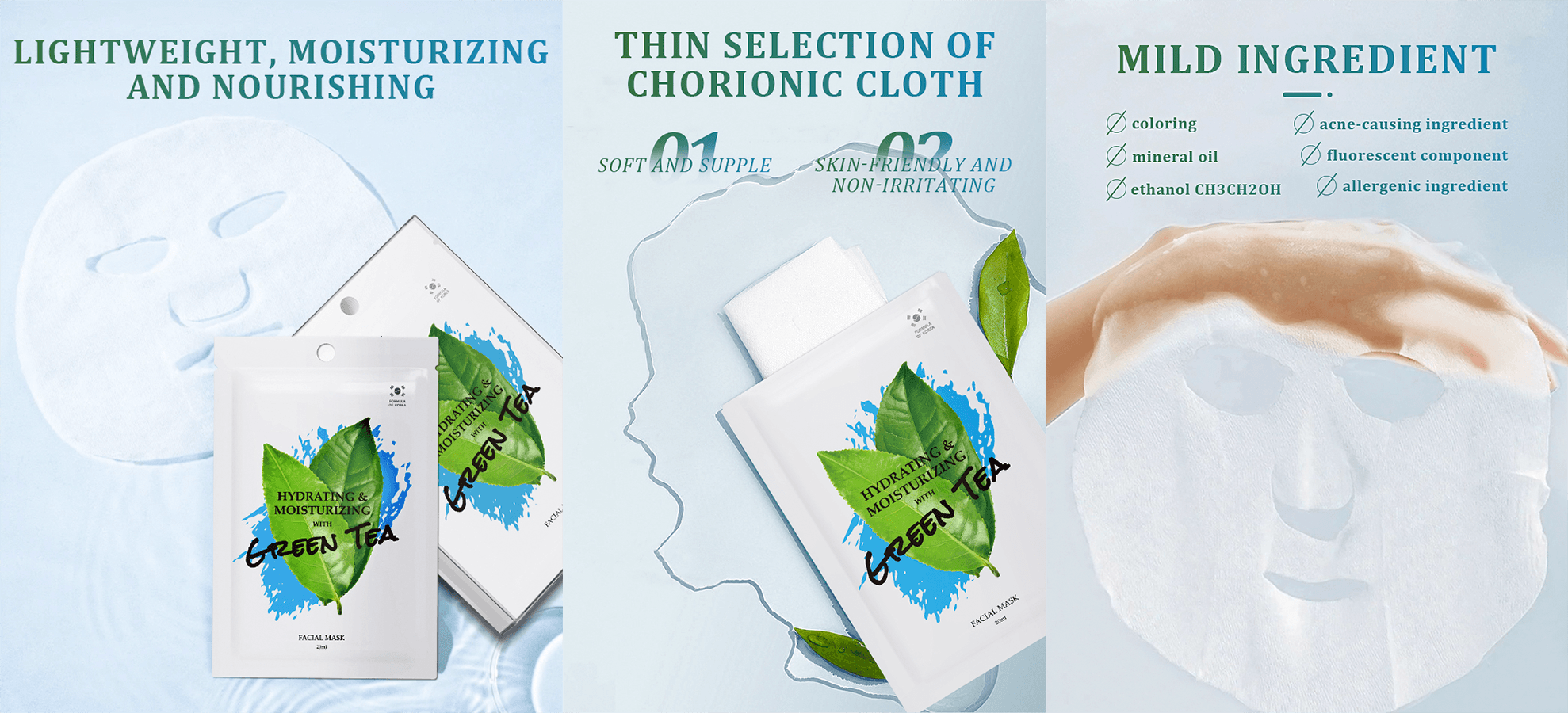
Using organic skincare products consistently delivers long-term benefits. Regular application of organic face masks can improve elasticity, reduce fine lines, and create a radiant complexion. Over time, your skin becomes more resilient and better protected from environmental stressors.
The ingredient mechanisms above — aloe vera's soothing properties, honey's antibacterial benefits, chamomile's calming effect on reactive skin — are the kind of substantiated, mechanism-level explanations that work well in your own product descriptions and customer education content.
For brands developing an organic-positioned facial mask line, a few sourcing considerations matter beyond ingredient selection:
Organic face masks represent a genuine market segment, not just a trend — driven by real demand for hydration, brightening, and gentle acne care without synthetic additives. For brands building or expanding an organic-positioned facial mask line, getting ingredient sourcing, claims documentation, and preservation strategy right from the start avoids costly reformulation later.
Discuss your organic face mask OEM project →
1. What are the benefits of organic face masks?
Organic face masks hydrate, brighten, and rejuvenate the skin using natural ingredients like aloe vera, honey, and chamomile. They are safe, eco-friendly, and suitable for sensitive skin.
2. Are organic face masks safe for sensitive skin?
Yes, organic face masks are chemical-free and use soothing ingredients such as oatmeal and chamomile, which reduce irritation and calm sensitive skin.
3. How often should I use an organic face mask?
Most people can use an organic face mask 2–3 times per week, depending on their skin type and concerns. Always follow the instructions on the product packaging.
4. Can organic face masks help with acne?
Yes. Natural ingredients like tea tree oil, aloe vera, and honey have antibacterial and anti-inflammatory properties that can reduce acne and prevent breakouts.
5. What is the difference between organic sheet masks and regular sheet masks?
Organic sheet masks are made from natural, eco-friendly fibers and contain plant-based serums free of harsh chemicals, making them safer and more sustainable than regular sheet masks.
6. What's the MOQ for a custom organic face mask formula?
MOQ typically starts from 5,000 pieces for organic and natural-ingredient formulations, with sample development available within approximately 7 days.