VEILTA
03/05/2026
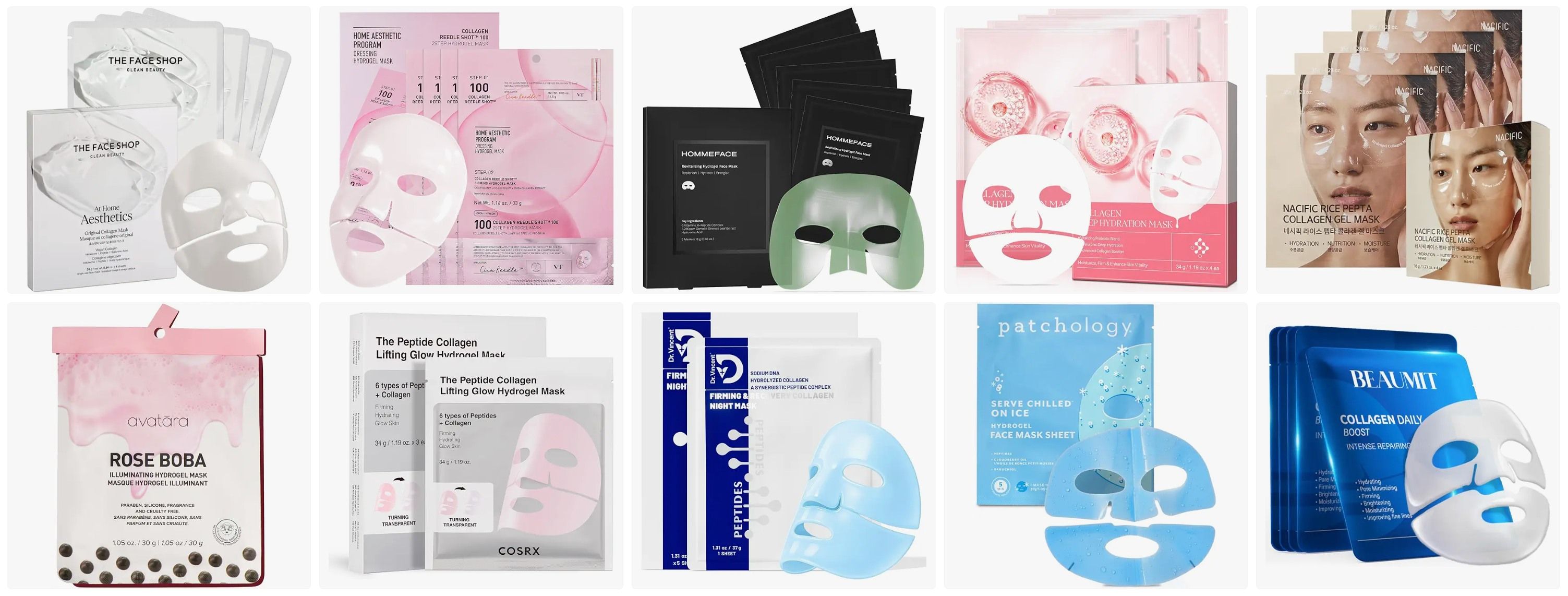
The skincare industry is undergoing a seismic shift. In 2026, consumers are no longer satisfied with “one-size-fits-all” solutions. They are demanding precision, convenience, and speed—demands that are perfectly met by the next generation of targeted skin patches. From the viral success of custom-shaped acne patches to the explosive growth of vitamin-infused wellness patches, the market is moving toward highly specialized, transdermal delivery systems.
For brand owners and beauty distributors, this shift represents a golden opportunity. According to recent market data, the global hydrocolloid patch market is expected to maintain a double-digit CAGR, driven by Gen Z’s preference for “functional aesthetics.” Meanwhile, the vitamin patch segment—once a niche wellness product—is now entering the mainstream as a high-margin alternative to oral supplements.
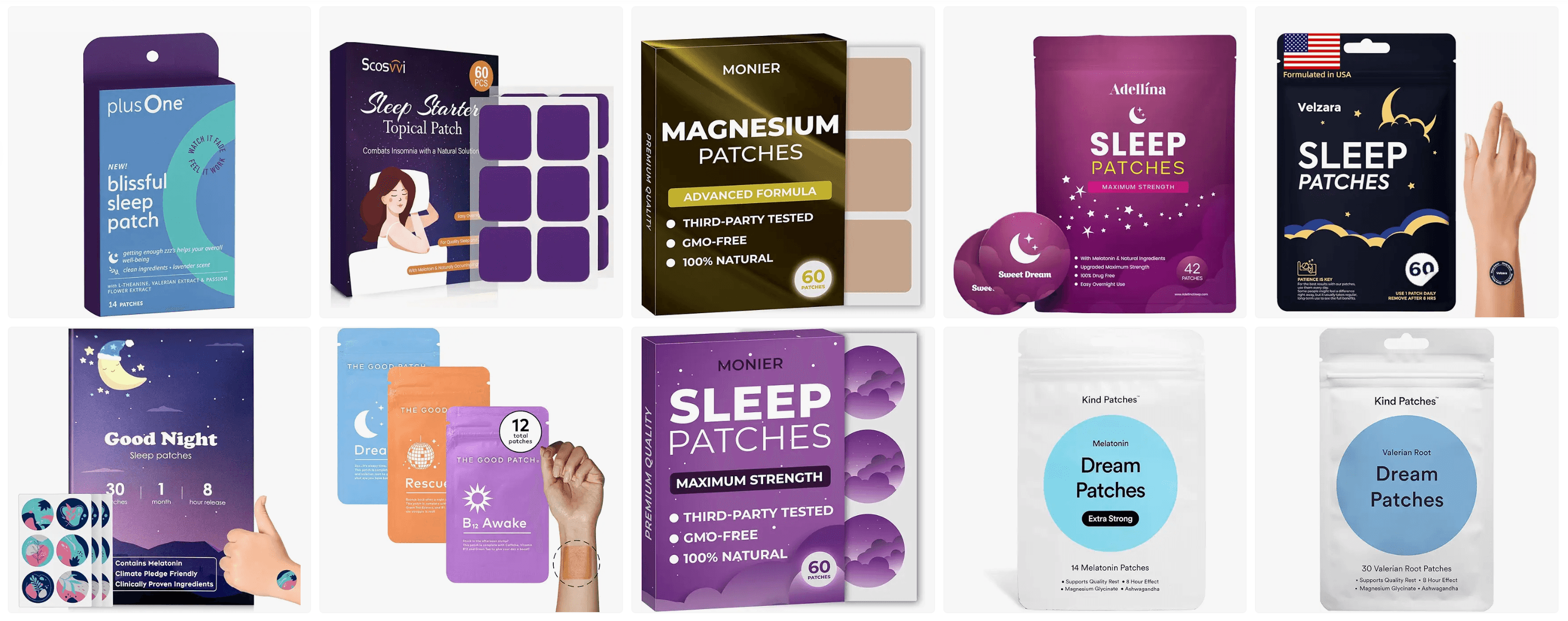
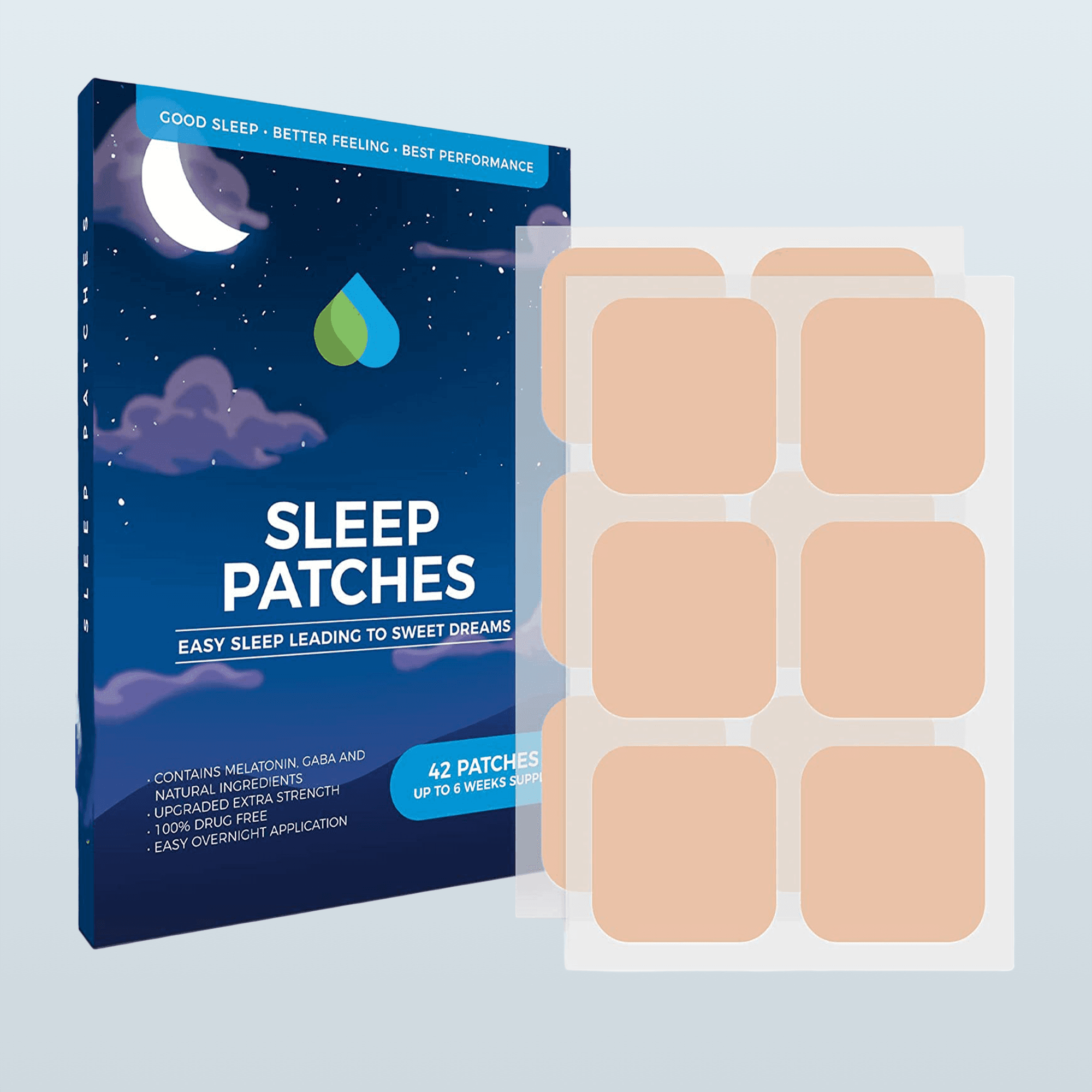
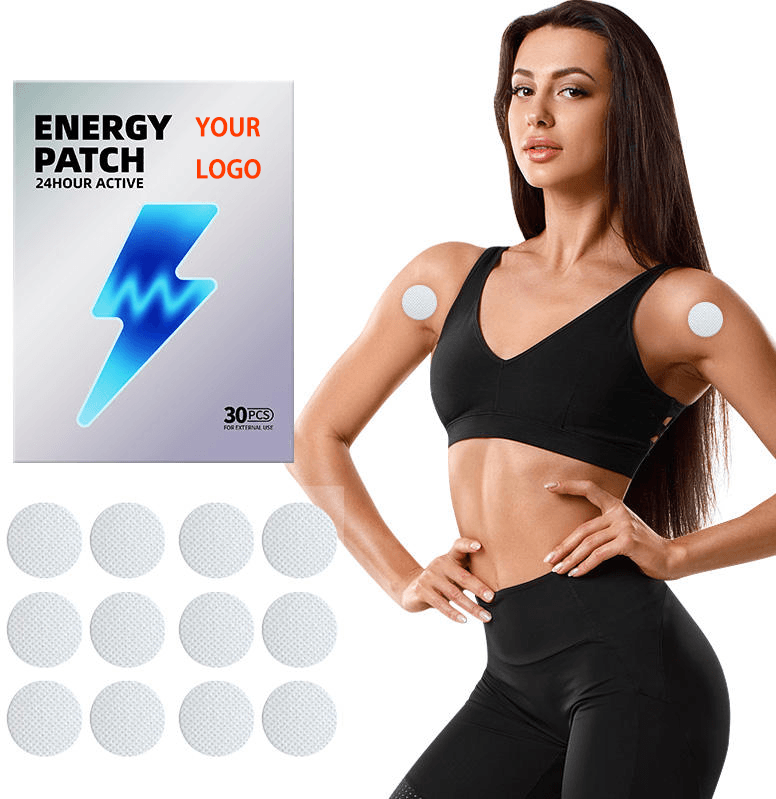
The most significant trend we’ve observed this year is the convergence of skincare and wellness. Vitamin patches (such as B12, D3, or sleep-support patches) are no longer just for health stores. Beauty brands are now incorporating these into their “Inside-Out” beauty lines.
Unlike traditional supplements, transdermal patches use advanced transdermal technology to deliver active ingredients through the skin, bypassing the digestive system and potentially improving bio-availability. This delivery format offers several compelling advantages:
For B2B buyers, partnering with a reliable vitamin patch supplier opens the door to a relatively low-competition, high-margin category. Compared to saturated serum and cream markets, wellness patches provide strong brand differentiation and storytelling opportunities.
From energy-boosting B12 patches to calming magnesium and melatonin-infused sleep patches, this category aligns perfectly with 2026 beauty industry insights: beauty is no longer just topical—it’s holistic.
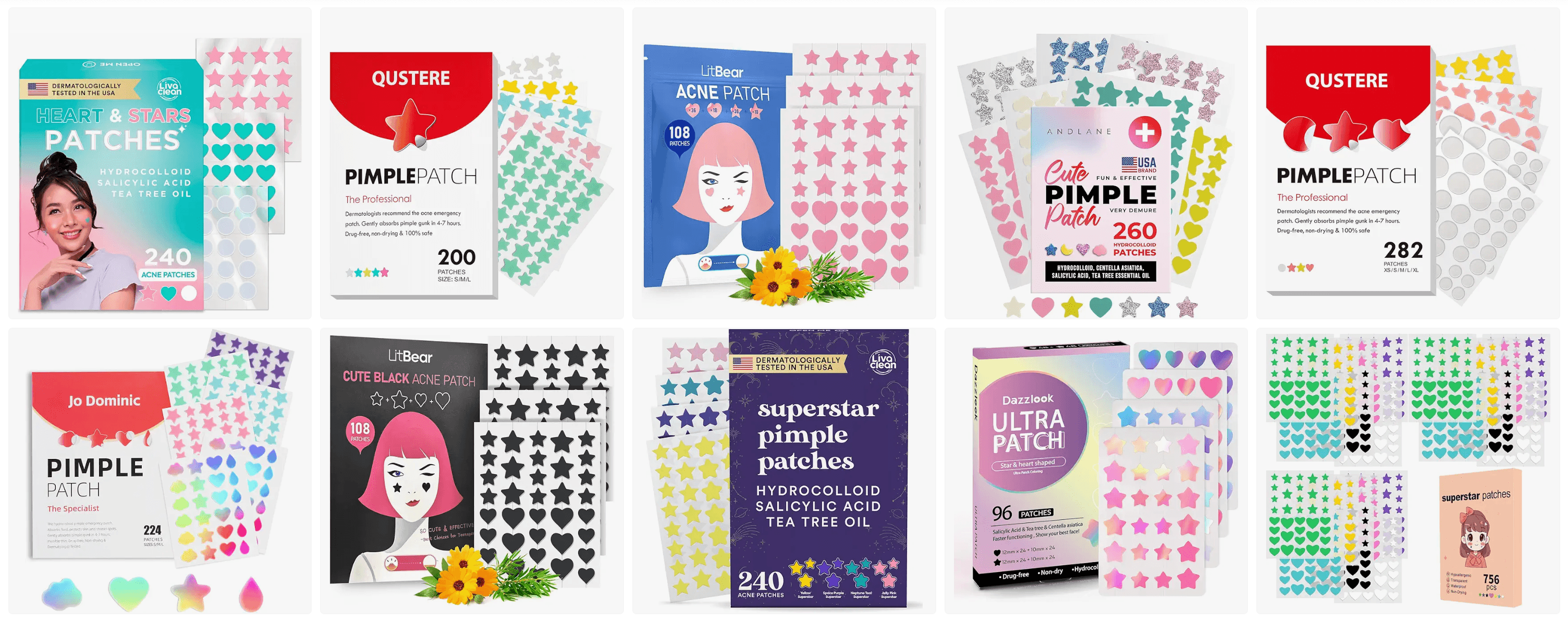
If wellness patches are the functional growth engine, acne patches remain the visual and viral driver of the skincare patch market.
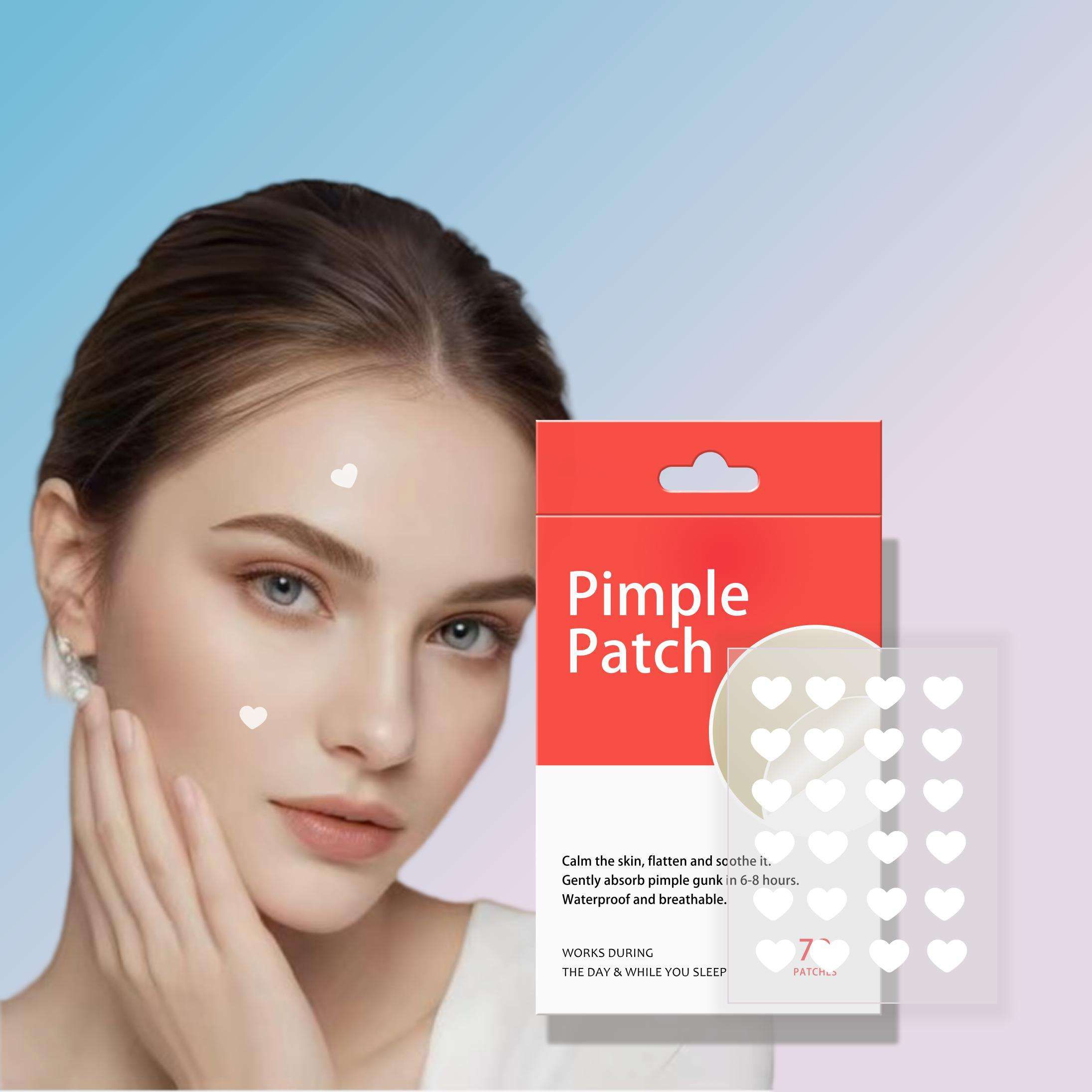
Hydrocolloid acne patches are evolving beyond transparent circles. Today’s consumers want custom shaped zit stickers—stars, hearts, lightning bolts, even cartoon-inspired designs. Social media platforms have transformed acne patches into wearable accessories rather than hidden treatments.
This shift reflects a broader trend: functional aesthetics.
Consumers want products that:
According to current hydrocolloid acne patch trends, brands that offer limited-edition shapes or seasonal designs are achieving higher engagement and repeat purchases.
For brands, working with an experienced skincare patch manufacturer means more than sourcing hydrocolloid material. It involves:
The result? Acne treatment becomes both therapy and self-expression.
In 2026, sustainability is no longer optional—it is a compliance and branding requirement.
Consumers, especially Gen Z and Gen Alpha, expect transparency in:
Premium brands are now requesting:
Beyond marketing appeal, regulatory pressure in the EU and North America is pushing brands toward environmentally responsible material sourcing. Forward-thinking vitamin patch suppliers and acne patch manufacturers are investing in biodegradable substrates and water-based adhesives to stay ahead of compliance demands.
For B2B buyers, sustainability is no longer just a brand value—it’s a supply chain strategy.
As the market becomes more specialized, the role of the manufacturer evolves.
Many brands begin with OEM (formula and packaging replication). However, in 2026, true competitive advantage comes from ODM capabilities—custom formulation, proprietary delivery systems, and co-developed innovation pipelines.
When evaluating a skincare patch manufacturer, consider:
The future belongs to brands that treat their manufacturers as strategic innovation partners—not just factories.
Looking forward, the skincare patch category will likely expand into:
The convergence of beauty, biotechnology, and wellness is accelerating. Transdermal delivery systems sit at the center of this transformation.
For global distributors and private label brands, the question is no longer if skincare patches will grow—but how quickly you can position your portfolio within this high-performance segment.

If you are exploring:
Now is the time to act.
Request our 2026 Product Catalog to discover the latest innovations in wellness patches, hydrocolloid acne solutions, and sustainable patch materials.
The transdermal future has already begun. The brands that move first will define the next decade of beauty.