VEILTA
09/17/2025
One of the most common consumer questions about pimple patches is simple: should the patch go on before or after skincare?
For brands, that question matters more than it may seem. When customers use a pimple patch incorrectly, the result is often weaker product performance, more confusion, more customer-service questions, and a higher chance of disappointment after purchase.
That is why usage instructions are not just a packaging detail. They are part of product performance, product education, and product communication.
For private label brands, clear instructions can help reduce misuse, improve repeat purchase potential, and make the product easier to explain across packaging, back-of-pack copy, product listings, and social media content.
This guide explains how to turn a common consumer usage question into better instruction writing for private label pimple patch packaging and product communication.
A pimple patch can underperform in the customer's mind even when the formula itself is fine.
The problem is often not the patch. It is the way the product is used.
If a customer applies a hydrocolloid patch after heavy cream, puts a microneedle patch on damp skin, or expects an invisible daytime patch to perform like an overnight hydrocolloid patch, the usage mismatch can easily turn into a product complaint.
For brands, this means instruction quality affects more than readability. It affects:
In practical terms, good instruction writing is one of the easiest ways to improve the customer's experience without changing the product itself.
For private label packaging, this also means the instruction panel should be treated as a performance-support element, not just a legal or design afterthought.
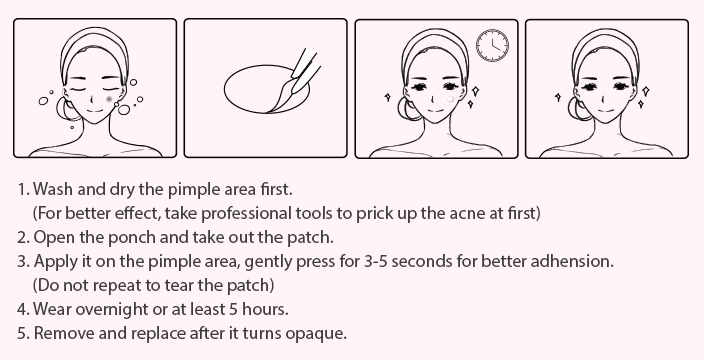
For most standard pimple patches, the safest consumer guidance is simple:
Apply the patch to clean, dry skin before the rest of skincare touches the blemish area.
This is the clearest answer for the common question of whether pimple patches should be used before or after skincare.
But for brands, the bigger lesson is this: consumers rarely ask the question in technical language. They ask it in routine language. That means the packaging copy, product page copy, and FAQ wording should answer the routine question directly.
Instead of only writing:
brands often do better when they write something more explicit, such as:
That kind of wording reduces guesswork and makes private label pimple patch instructions easier for customers to follow.
The best instruction copy usually starts with understanding what customers get wrong.
This is one of the most common mistakes. If the skin surface is too slippery, adhesion suffers and the patch may lift too early.
Consumers often assume all pimple patches work the same way. They do not.
A hydrocolloid patch, a microneedle patch, an active-infused patch, and a daytime invisible patch all need slightly different expectations and usage guidance.
Many customers expect fast visible change and remove the patch before it has had enough wear time.
This is especially important for products that rely on strong adhesion or more controlled placement.
These mistakes are simple, but they directly affect how consumers judge the product.
For most private label pimple patch products, packaging instructions should be short enough to scan but clear enough to prevent misuse.
A strong standard panel usually includes:
A useful base structure often looks like this:
This kind of structure is easy to adapt for back-of-pack instructions, inserts, product pages, and marketplace listings.
Back-of-pack instruction space is limited. That means brands usually need instruction copy that is:
In many projects, the best packaging instruction is not the most detailed version. It is the version that gives the customer the fewest chances to misunderstand the product.
For private label packaging, that usually means prioritizing the exact steps that affect adhesion, timing, and expected use order.
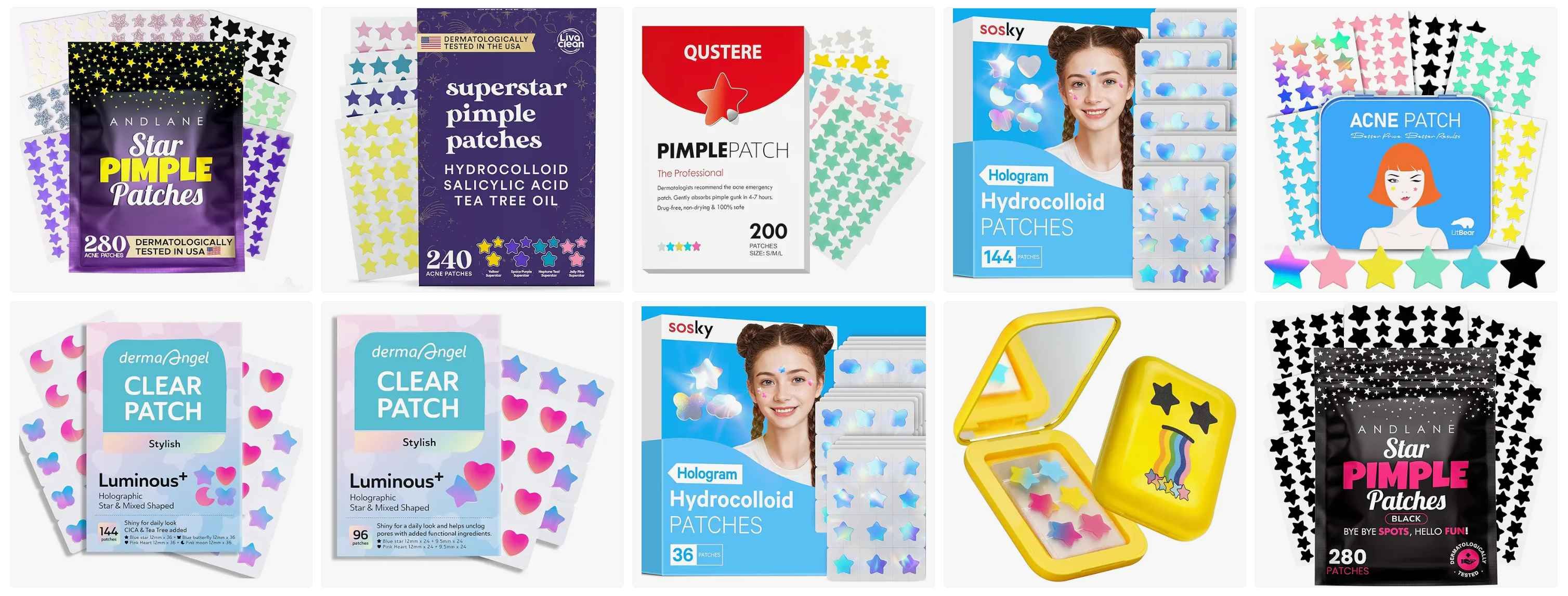
Not every pimple patch should use the same instruction format.
These are usually the easiest to explain.
Consumers may place the patch over cream or use it as a decorative sticker instead of a treatment-support patch.
These need more careful guidance because the user experience is different.
Consumers may use the product like a normal patch and miss the intended application method.
These need both usage and expectation guidance.
Consumers may overuse the product or misunderstand it as a stronger treatment than the brand intends to claim.
These are often purchased for both function and appearance.
Consumers may expect overnight hydrocolloid-style performance from a thin daytime format.
| Patch Type | Main Instruction Focus | Main Consumer Risk |
|---|---|---|
| Standard hydrocolloid | Clean, dry skin and proper wear time | Applying after skincare or removing too early |
| Microneedle | Dry-skin application and correct pressure | Using it like a regular patch |
| Active-infused patch | Clear routine guidance and realistic expectations | Overuse or misunderstanding claims |
| Daytime invisible patch | Adhesion, appearance, and wear context | Wrong performance expectations |
Packaging alone is usually not enough.
Many consumers decide how to use a product from the listing images, short-form video, or social content long before they read the back of the pack.
That means brands should repeat the same core usage message across:
At minimum, the brand should keep these points consistent everywhere:
If the packaging says one thing and the listing suggests another, consumers usually follow the easier-looking version.
For private label brands, this consistency is especially important because the packaging panel, listing bullets, hero images, and FAQ section often work together as one instruction system.
For many pimple patch products, the FAQ section helps answer the exact questions that customers ask before purchase.
Useful FAQ topics include:
These are simple questions, but they often prevent unnecessary confusion.
For best adhesion, apply the patch to clean, dry skin before serum, cream, or oil touches the target area.
It is usually better not to. Moisturizer or oil can weaken adhesion and reduce the patch's ability to stay in place.
Wear time depends on the product type, but brands should always provide a clear recommended range on the packaging and product page.
A surprising number of product complaints are really instruction problems in disguise.
If the customer:
then the product may feel ineffective even when it is being used incorrectly.
For brands, that means better instructions can help reduce:
This is one reason instruction writing should be treated as part of the product strategy, not only packaging cleanup.
For private label pimple patch projects, Veilta can support brands not only with product development, but also with packaging-direction input and usage guidance structure.
That may include support for:
For many brands, strong communication is part of strong product performance.
The question of whether a pimple patch should be used before or after skincare sounds simple, but it opens up a bigger issue for brands: customers only get the best result when the product is easy to use correctly.
That is why instruction quality matters.
A strong pimple patch usage instructions private label packaging strategy helps brands reduce misuse, improve clarity, and create a more reliable customer experience across packaging, product pages, and content.
If you want the broader consumer-facing guide behind routine order and skincare use, read our OEM Pimple Patches Skincare Tips.
For most standard pimple patches, the clearest guidance is to apply the patch to clean, dry skin before serum, cream, or oil touches the target area.
Clear instructions help reduce misuse, improve first-use success, lower confusion, and support better customer satisfaction after purchase.
No. Hydrocolloid patches, microneedle patches, active-infused patches, and daytime invisible patches often need different usage wording and expectation-setting.
It should usually include when to apply, where to apply, skin condition requirements, how long to wear, when to remove or replace, and what to avoid.
Yes. Many customer complaints come from misuse or mismatched expectations rather than from the product itself, so clearer instructions can improve the overall experience.