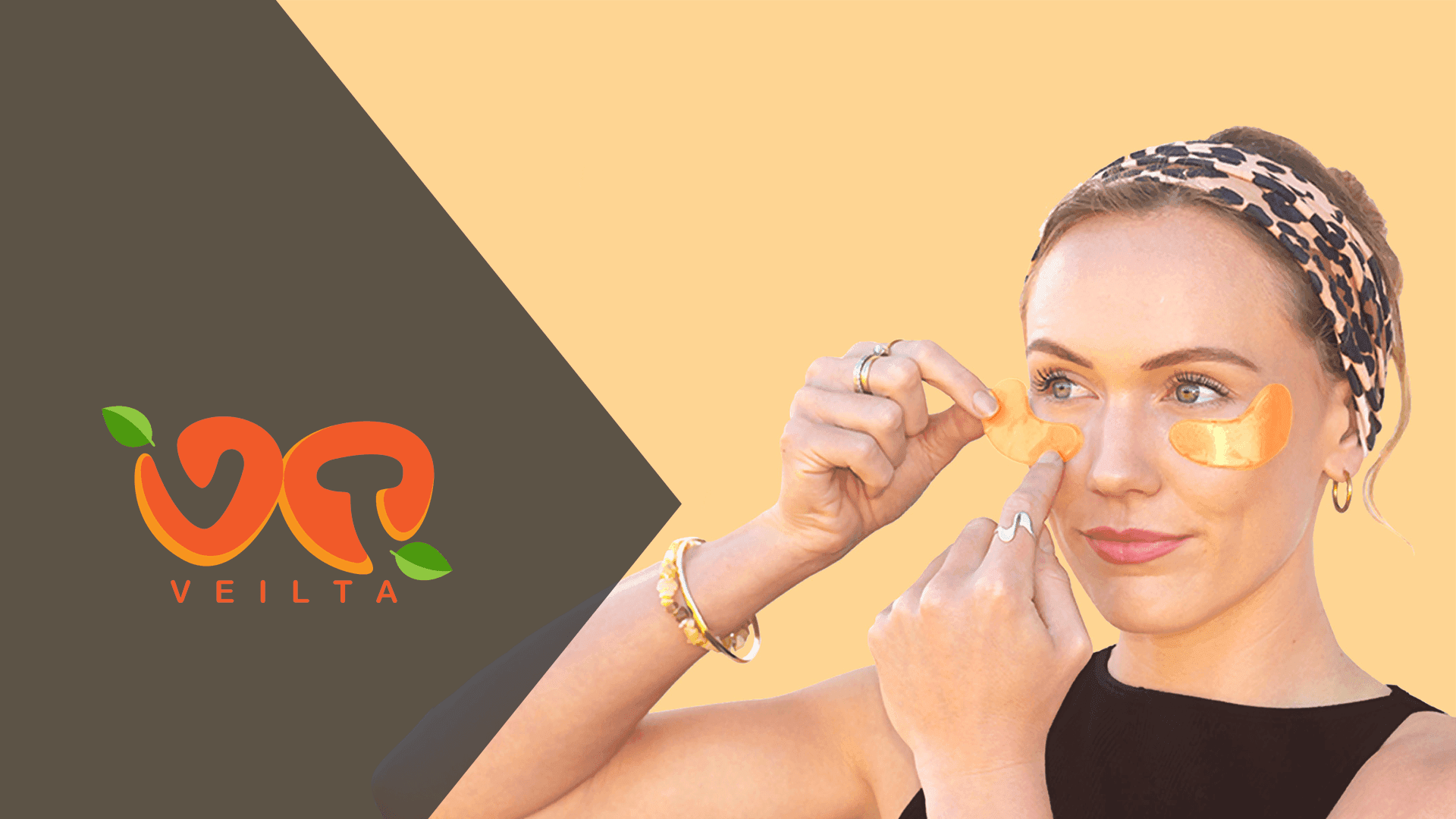
What Are Under-Eye Patches and Do They Really Work? | Skincare B2B Guide
VEILTA
11/05/2025
Skincare Trends: Under-Eye Patches
Under-eye patches have surged in popularity as an easy, quick-fix solution for dark circles, puffiness, and fine lines.
Interest in under-eye patches has grown significantly, rising approximately one-third between September and December 2023, and showing a more than fourfold increase from 2019 to 2023.

These patches are designed to deliver hydration, depuffing, and temporary anti-aging effects. Let's examine the mechanisms and evidence.
How Do Under-Eye Patches Work?
Under-eye patches come in gel, hydrogel, and microfiber cloth forms, all formulated to deliver active ingredients efficiently.
Key Ingredients
- Hyaluronic Acid: Hydrates and plumps fine lines. Sodium hyaluronate ensures better absorption.
- Caffeine: Constricts blood vessels to reduce puffiness.
- Ceramides: Strengthens skin barrier for hydration.
- Vitamin C: Brightens and protects against free radicals.
- Retinol: Boosts collagen and improves texture over time.
- Peptides: Promote collagen and elastin for firmer skin.
Avoid fragranced patches which may irritate delicate eye skin.
Occlusive Barrier & Cooling Effect
Patches create a protective layer that enhances ingredient absorption and provides a cooling effect to reduce puffiness.
Convenience
Quick, mess-free application: apply to clean skin, relax for 15–30 minutes, then remove.
Do Under-Eye Patches Actually Work?
Temporary Benefits
- Instant Hydration: Humectants like hyaluronic acid, glycerin, and ceramides give quick moisture.
- Depuffing Effects: Cooling and caffeine reduce fluid accumulation and swelling.
Limitations
- Limited clinical evidence for long-term wrinkle reduction or dark circle improvement.
- Ingredient penetration may be insufficient for deep tissue effects.
- Effects are temporary; hydration fades quickly.
Recommending Eye Patches to Your Brand's Customers
For brands building their own under-eye patch line, the ingredient choice matters more than any single "best product" — there's no universal winner, because the right formula depends on what claim your brand wants to own.
For hydration-led positioning: Lead with hyaluronic acid and ceramides. This is the safest, most universally tolerated combination and works well as an entry-level SKU.
For depuffing/morning-routine positioning: Caffeine-led formulas perform best for the "quick fix before makeup" use case — pair with a cooling hydrogel base for the sensory effect customers expect.
For anti-aging/night-routine positioning: Retinol or peptide-led formulas fit better here, but require clearer usage guidance (every-other-day use, patch testing) since these actives carry higher irritation risk than the hydration-led category.
Brands should choose one primary claim per SKU rather than stacking every active into a single "does everything" patch — clearer positioning outperforms broader ingredient lists in most B2B sourcing conversations we have with private label clients.
Manufacturing and Compliance Considerations
When developing a private label under-eye patch line, the ingredient decision above should be paired with manufacturing decisions:
-
Material format (hydrogel, gel, or microfiber cloth) affects both cost and the sensory experience your customer associates with the active ingredients
-
Compliance documentation (CPSR, CPNP for EU; FDA registration for the US) should be confirmed for whichever active ingredient combination you choose — retinol and high-percentage actives often carry different documentation requirements than basic hydration formulas
-
Stability testing matters more for actives like vitamin C and retinol, which are less stable than hyaluronic acid or ceramides over shelf life
Risks of Using Eye Patches
- Test new patches on the arm before full application.
- Remove gently to avoid tugging sensitive skin.
- Use retinol patches every other day to prevent redness.
- Discontinue if skin becomes red, dry, or flaky.
Can Under-Eye Patches Replace Fillers or Advanced Procedures?
For severe hollows, dark circles, or deep wrinkles, patches cannot replace professional treatments like:
- Neurotoxin injections
- Dermal fillers
- Laser resurfacing
Consult a board-certified dermatologist for advanced solutions.
Lifestyle Changes to Reduce Puffiness & Dark Circles
- Sleep on your back; elevate head with a pillow.
- Manage sinus issues and allergies.
- Reduce salt intake and avoid smoking.
Final Takeaways
- Short-term benefits: Hydration, depuffing, brightening.
- Long-term care: Retinoids, lifestyle adjustments, sun protection.
- B2B insight: Recommend patches with proven ingredients (caffeine, hyaluronic acid, ceramides) for temporary visible improvements.
Frequently Asked Questions (FAQs)
1. Should I use an eye cream with patches?
Yes, apply before and after for maximum hydration.2. How often can I use patches?
Daily use is generally safe; start every other day for sensitive skin.3. Masks vs patch strips?
Masks cover the full eye area; strips target under-eyes only.4. Do peptide patches reduce wrinkles?
Some temporary smoothing is possible; long-term effects are limited.5. Can men use under-eye patches?
Yes, suitable for all genders.6. Can patches replace advanced procedures?
No, they offer only short-term aesthetic benefits.