
Top 5 Benefits of Skincare Facial Masks
VEILTA
10/31/2025
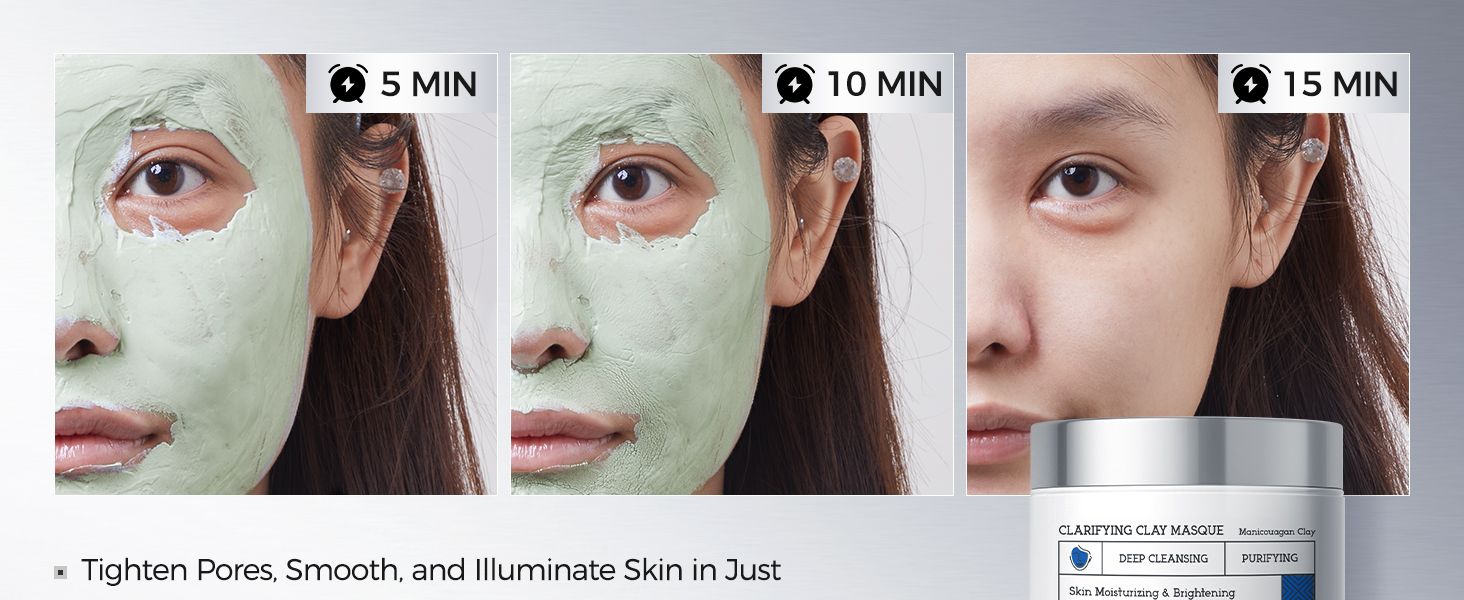
1. Deep Cleansing Beyond the Surface
One of the most important advantages of facial masks is their ability to penetrate deeper layers of the skin and remove impurities that daily cleansers cannot reach.
Masks formulated with clay or charcoal work by absorbing excess oil and pulling toxins from pores, helping to prevent breakouts and blackheads. This deep purification process leaves the skin refreshed, smooth, and prepped for serum or moisturizer absorption.
2. Detoxification for Clearer Complexion
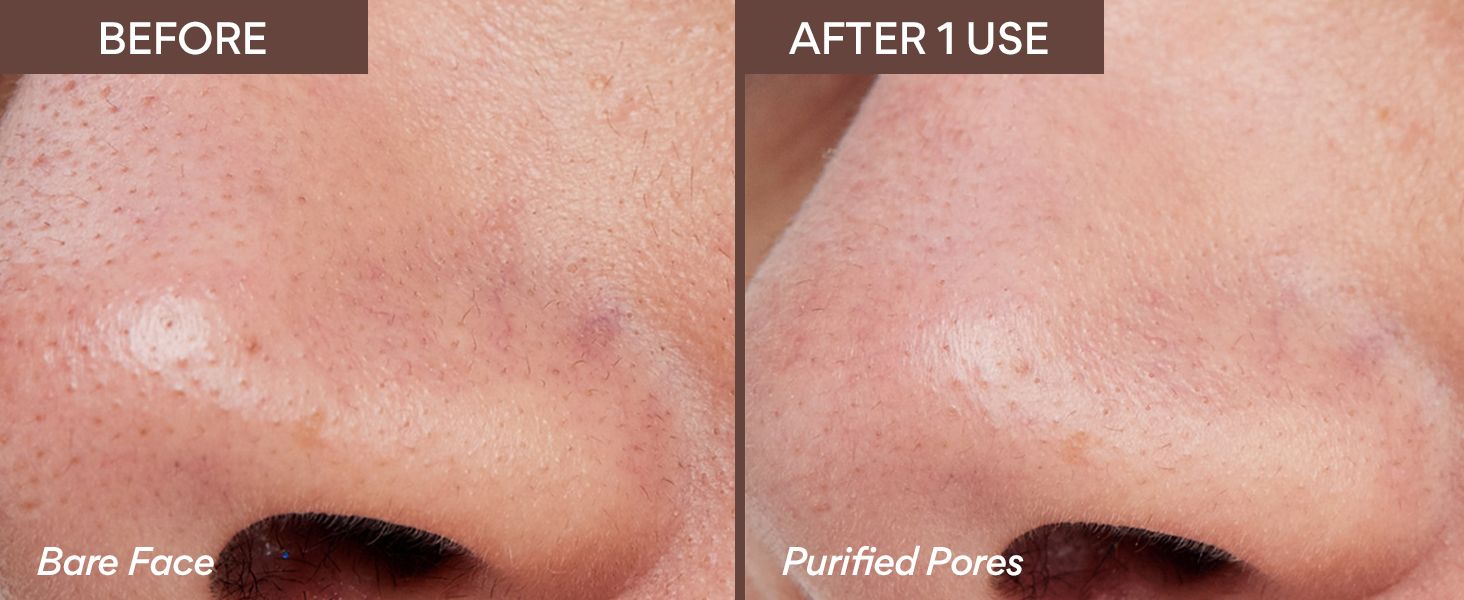
Facial masks, especially those containing bentonite or activated charcoal, are excellent for detoxifying the skin. These ingredients bind to impurities and lift them from the pores, minimizing congestion and acne.
Scientific studies show that bentonite clay has strong adsorption properties that help eliminate pollutants and excess sebum.
Regular use helps reduce blackheads, acne, and dullness, revealing a clean, radiant complexion.
3. Intense Hydration and Moisture Retention
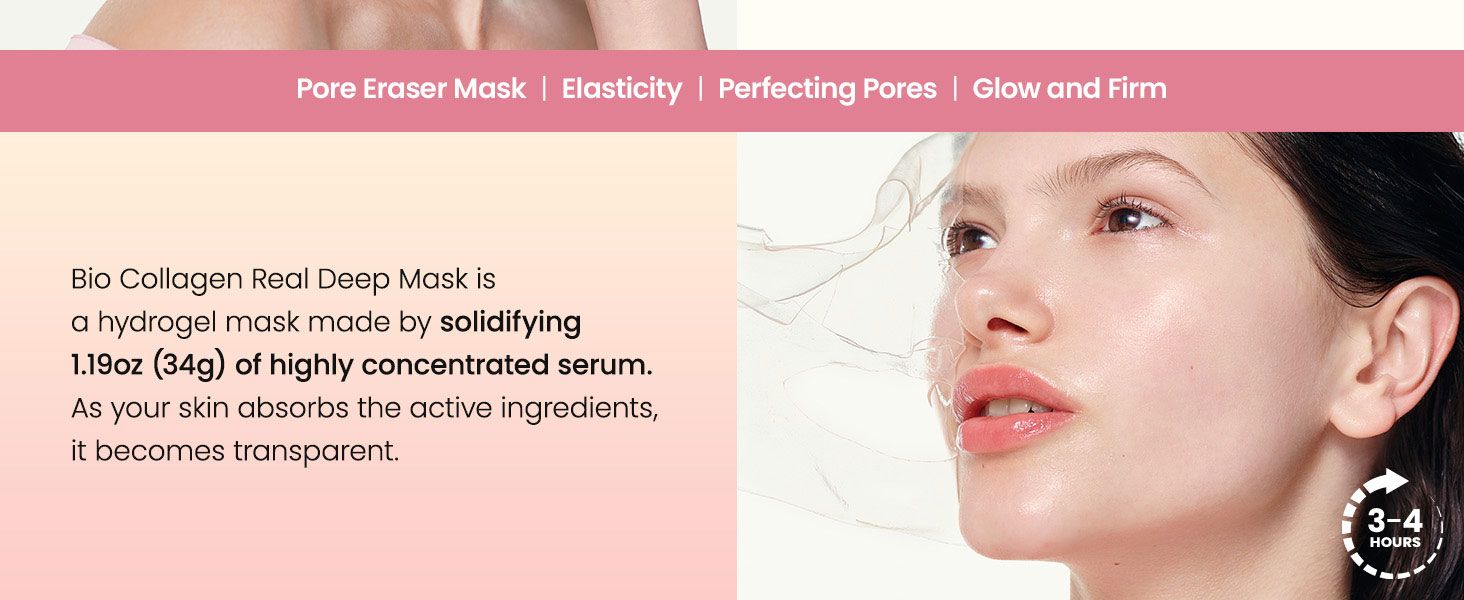
Hydrating masks are designed to replenish skin moisture and strengthen its protective barrier. Ingredients like hyaluronic acid, aloe vera, and glycerin draw water into the skin, keeping it soft, plump, and elastic.
- Hyaluronic Acid holds up to 1,000x its weight in water.
- Aloe Vera soothes irritation and reduces redness.
- Glycerin locks in hydration for long-lasting smoothness.
These masks are ideal for dry, sensitive, or mature skin, improving resilience against environmental stress and dryness.
4. Improved Skin Texture and Radiance
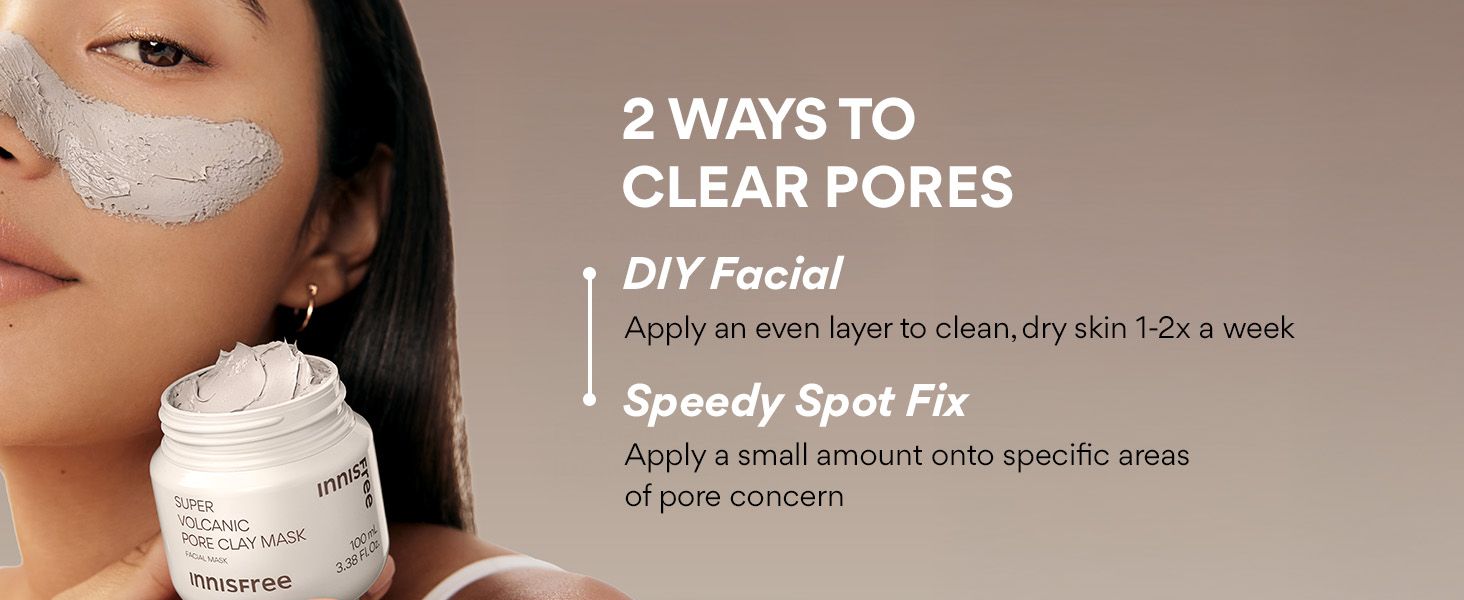
Exfoliating or enzyme masks help refine skin texture by removing dead cells and encouraging new cell turnover. Ingredients such as AHAs (glycolic acid) or BHAs (salicylic acid) gently exfoliate for a smoother, brighter finish.
Benefits include:
- Smaller-looking pores
- More even tone
- Enhanced product absorption
Regular exfoliation promotes a youthful glow and prevents dullness — making these masks a favorite in professional facial treatments and retail skincare kits.
5. Relaxation and Stress Relief
Facial masks offer more than just physical skincare — they provide mental relaxation and stress relief. Taking time for a mask application helps users unwind and reconnect with themselves.
Masks with lavender, chamomile, or rose essential oils provide aromatherapeutic benefits that calm the mind while soothing the skin.
For skincare brands, this dual benefit enhances customer satisfaction and promotes the concept of self-care as luxury wellness.
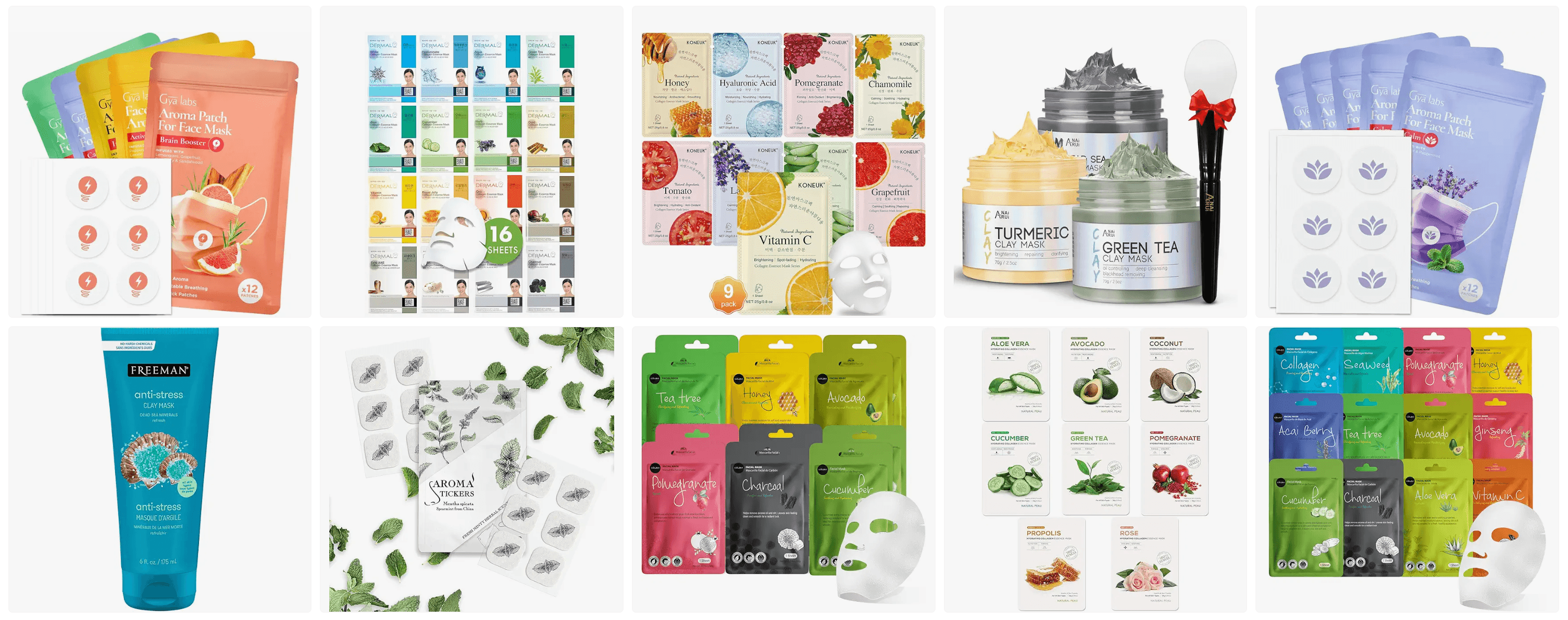
Using This Information in Your Own Brand Marketing
The ingredient mechanisms above — clay's absorption properties, hyaluronic acid's moisture-binding capacity, AHA/BHA's exfoliation function — are the kind of substantiated, mechanism-level explanations that work well in your own product descriptions, packaging copy, or customer education content.
Brands sourcing facial masks through OEM development can request that these mechanism explanations be reflected accurately in their own marketing materials, helping build customer trust through substantiated claims rather than vague benefit language.
Conclusion
Facial masks deliver real, mechanism-backed benefits — deep cleansing, detoxification, hydration, texture improvement, and relaxation — each tied to specific, well-understood ingredient categories. Understanding these mechanisms helps brands communicate more credibly with their customers, whether through product copy, packaging, or content marketing.
For sourcing facial masks built around any of these mechanisms, see our complete OEM facial mask guide →.
FAQS
1. Which ingredient is best for oily, acne-prone skin?
Ingredients such as kaolin clay and bentonite clay are commonly used in products designed for oily and acne-prone skin. These ingredients help absorb excess oil and impurities, making them popular choices for purifying and balancing skincare formulations.
2. Is hyaluronic acid suitable for all skin types?
Yes. Hyaluronic acid is widely used across a variety of skincare products and is generally suitable for most skin types, including dry, oily, combination, and sensitive skin. It is valued for its ability to attract and retain moisture, helping to support skin hydration.
3. How often should exfoliating (AHA/BHA) masks be used?
Usage frequency depends on the specific formula and individual skin condition. In general, exfoliating masks containing AHA or BHA ingredients are often used several times per week rather than daily. Product directions and professional skincare advice should always be followed.
4. Can different ingredient mechanisms be combined in one mask formula?
Yes. Multiple functional ingredients can be incorporated into a single formulation to address different skincare objectives. However, ingredient compatibility, stability, and skin tolerance should be carefully considered during product development to ensure optimal performance and user experience.