VEILTA
12/06/2025
Choosing the right material is one of the most important decisions when developing any skincare patch—whether it’s for the eyes, face, acne care, or even medical applications. Among the most popular materials in today’s OEM/ODM skincare industry, silicone and hydrogel stand out as the leading options.
Both materials offer unique benefits, different sensory experiences, and distinct performance profiles. For brands planning to launch private-label patches, understanding the difference between silicone vs hydrogel is essential to developing products that meet consumer expectations and global market trends.
Before choosing a material, it’s important to understand why both are widely used across the skincare market.
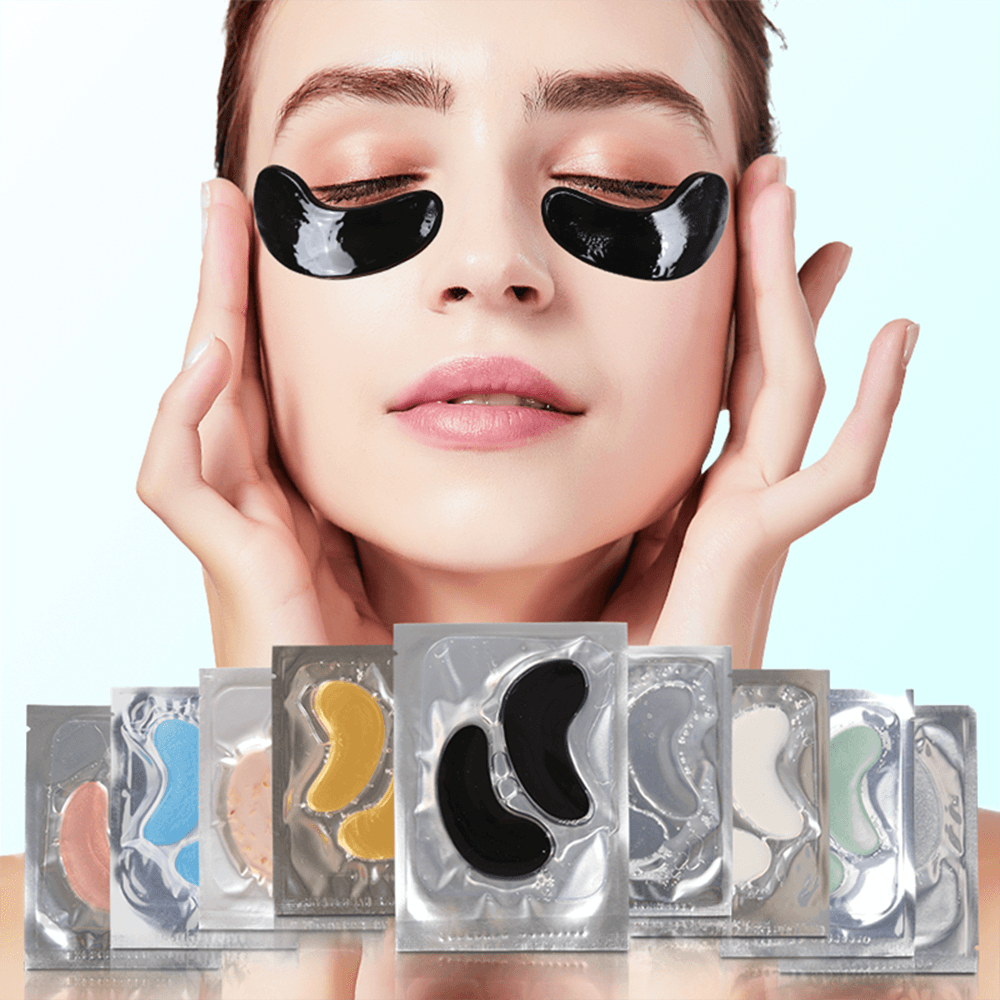
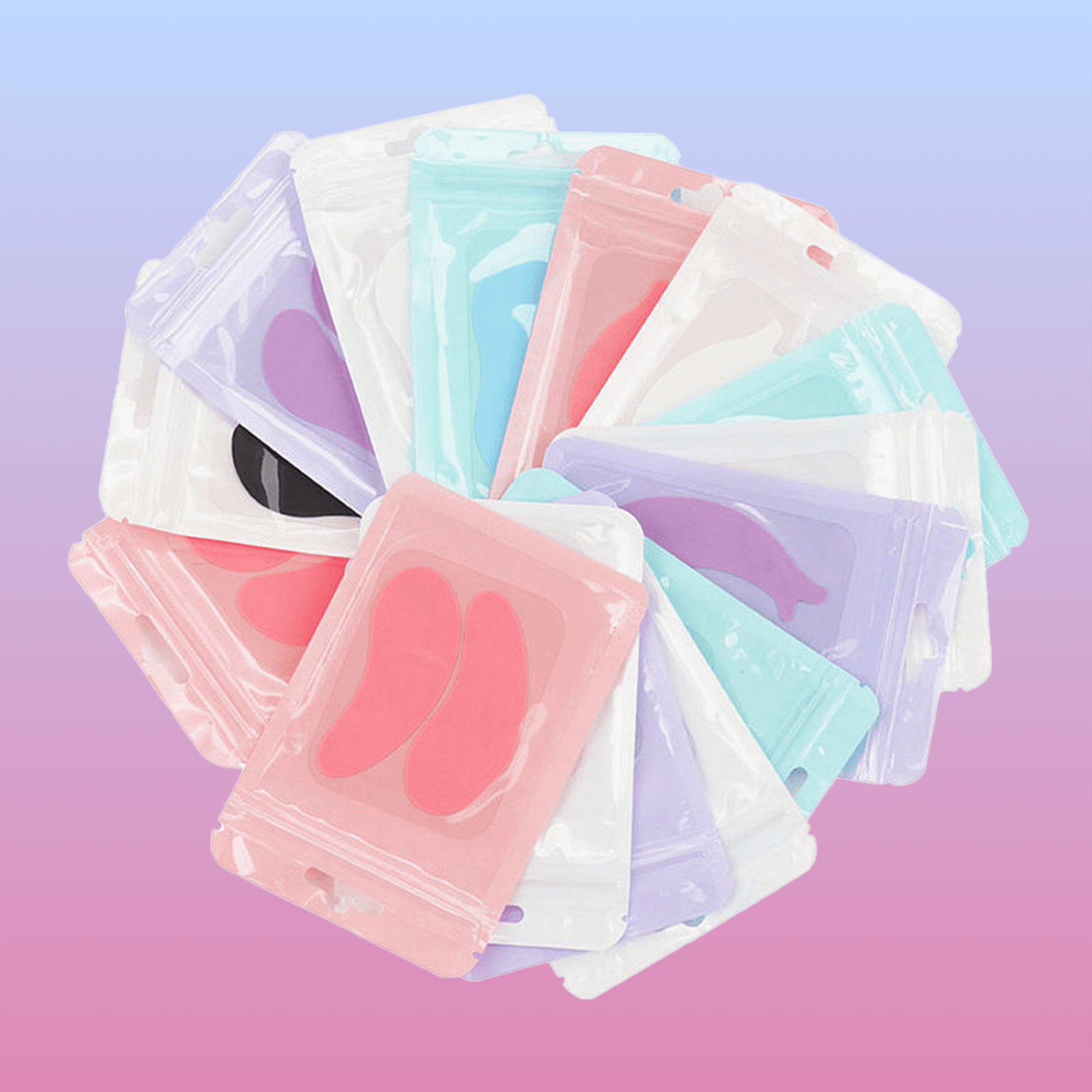
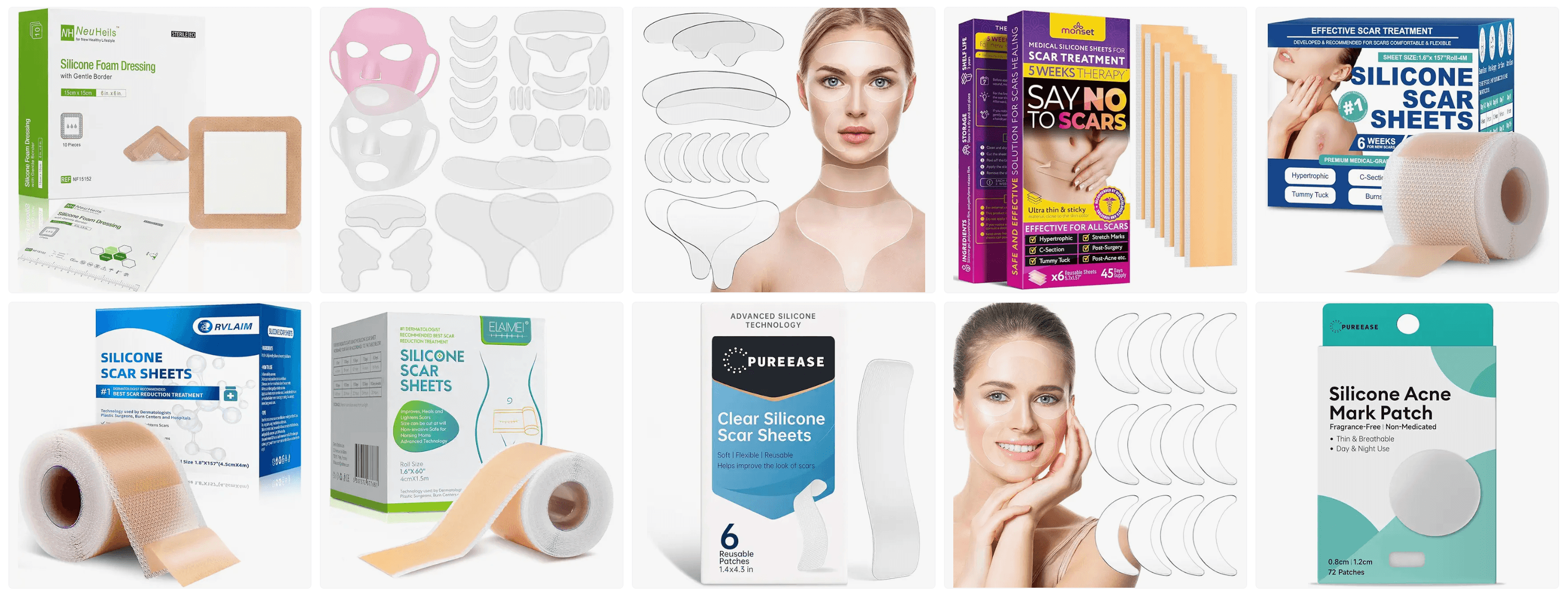
Silicone is known for its durability, softness, and ability to create a moisture-locking environment on the skin. Its adhesive-free adherence makes it ideal for reusable patches.
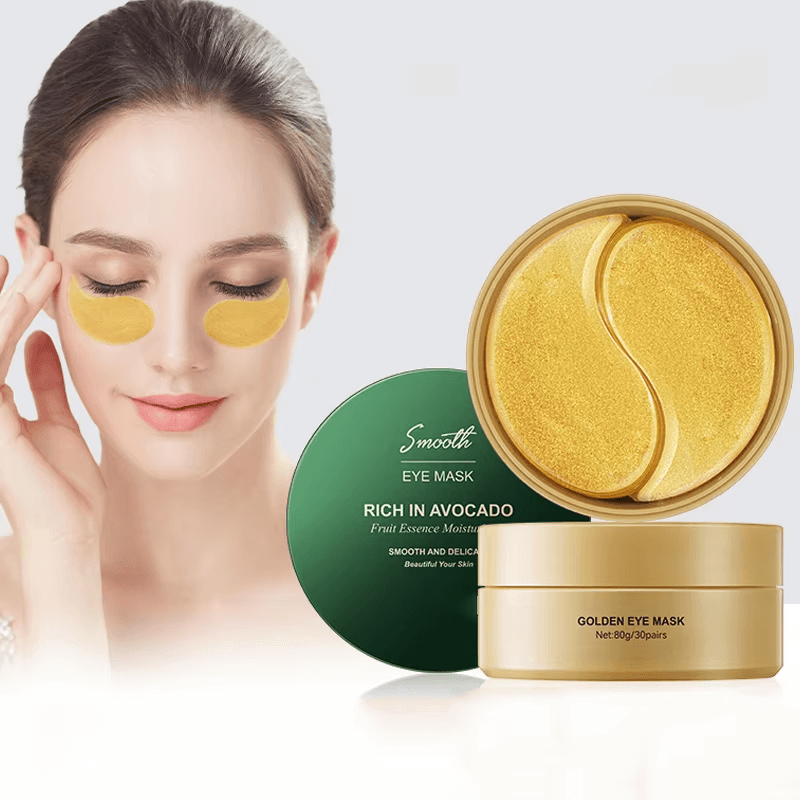
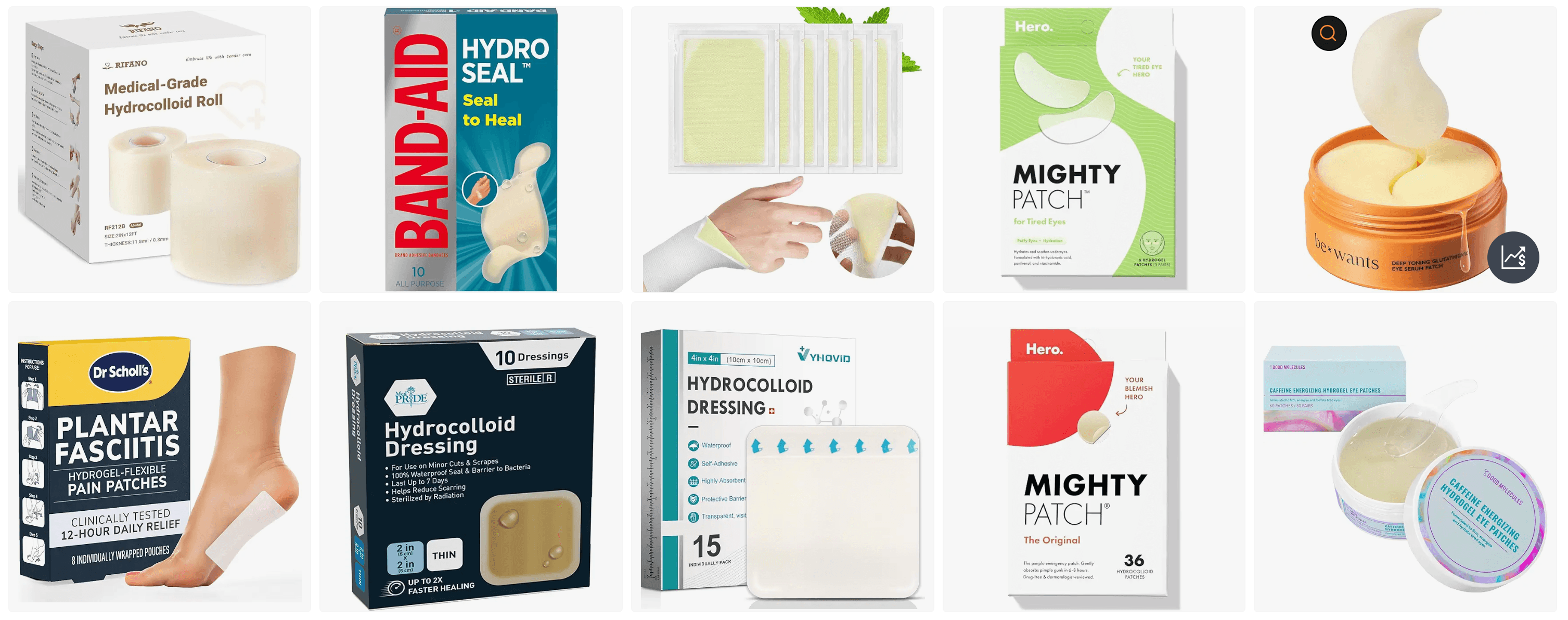
Hydrogel is a water-rich, soothing material that instantly cools and hydrates the skin. It is often chosen for single-use eye patches, acne patches, and facial patches.
Below is a clear breakdown to help OEM clients choose the most suitable material for their skincare line.
| Feature | Silicone | Hydrogel |
|---|---|---|
| Reusability | Yes (20–50 times) | No (single use) |
| Skin Feel | Smooth, soft, skin-hugging | Cooling, watery, refreshing |
| Occlusion Level | High (locks moisture) | Medium |
| Active Release | Slow, stable | Fast absorption |
| Cost | Higher | Lower |
| Best For | Eye patches, wrinkle patches, reusable patches | Eye masks, hydrogel masks, acne patches |
Silicone is ideal for premium, long-term skincare solutions. Its strong occlusion helps reduce the appearance of wrinkles and lines by maintaining deep moisture levels.
Because silicone allows dozens of reuses, it aligns perfectly with eco-friendly and sustainable skincare trends—something modern consumers strongly prefer.
Hydrogel is the best option when brands want a refreshing, hydrating, sensory-driven experience. Its cool, water-rich texture instantly soothes the skin.
Hydrogel also allows the infusion of premium ingredients such as:
Hydrogel is perfect for brands targeting the K-beauty, J-beauty, and EU mass skincare markets.
Eye patches are the single category where this material choice comes up most often, with enough nuance to deserve its own breakdown — FOB pricing ranges, MOQ, and compliance differences specific to that application. See our Silicone vs Hydrogel Eye Patches: OEM Sourcing Guide → for that level of detail.
This guide instead covers the material decision across the other patch categories where it matters: acne, facial, foot, and medical-style applications — each with different tradeoffs than the eye patch case.
Hydrogel is rare in this category — hydrocolloid, not hydrogel, is the dominant material for acne patches, since hydrocolloid's fluid-absorption mechanism is what makes spot treatment work. Silicone shows up here in a different role: reusable silicone patches paired with the user's own treatment serum, positioned as a complementary tool rather than a replacement for hydrocolloid spot patches. If you're sourcing in this category, the real material decision is usually hydrocolloid vs. microneedle, not silicone vs. hydrogel — see our hydrocolloid vs. salicylic acid pimple patch comparison → for that distinction.
Both materials are common here, but for different mask types. Hydrogel dominates jelly/crystal-style facial masks where the appeal is a cooling, ingredient-rich sensory experience for single use. Silicone is less common as the mask material itself, but appears as silicone applicator tools or reusable compression masks used alongside a separate serum or sheet mask — similar to its role in eye care.
Hydrogel and hydrocolloid (not silicone) lead this category, typically formulated with keratolytic or exfoliating actives that need direct, sustained skin contact to work. Reusable silicone isn't a natural fit for foot care the way it is for eye patches, since the exfoliation mechanism depends on ingredient delivery rather than occlusion alone.
This is where material choice carries the most compliance weight. Medical-grade silicone is standard for reusable, device-adjacent products and typically requires ISO 10993 biocompatibility documentation from the material supplier. Hydrogel in this category usually carries an active ingredient and needs the same CPSR/stability testing rigor as any formulated cosmetic patch — sometimes more, depending on claims.
If you're unsure which material fits your project, the questions that actually matter are:
MOQ typically starts from 5,000 pieces for standard sheet, hydrogel, or clay formats. Bio-cellulose and fully custom-shaped masks usually carry a higher minimum due to specialized material sourcing.
Sample development typically takes around 7 days, followed by 15-25 days for mass production depending on order volume and packaging complexity.
For a category-specific deep dive, see our eye patch material guide →, or contact us → to discuss material selection for your specific product line.