VEILTA
03/10/2026
You've decided to launch a pimple patch line. Now comes the question that shapes your entire product strategy:
Hydrocolloid — or salicylic acid?
Both formats dominate shelf space in the global acne care market. However, they work through completely different mechanisms, target different acne stages, and involve different regulatory and manufacturing considerations for private label brands.
This guide explains the science, market positioning, and manufacturing implications behind both patch types so skincare brands can decide which product format to launch first.
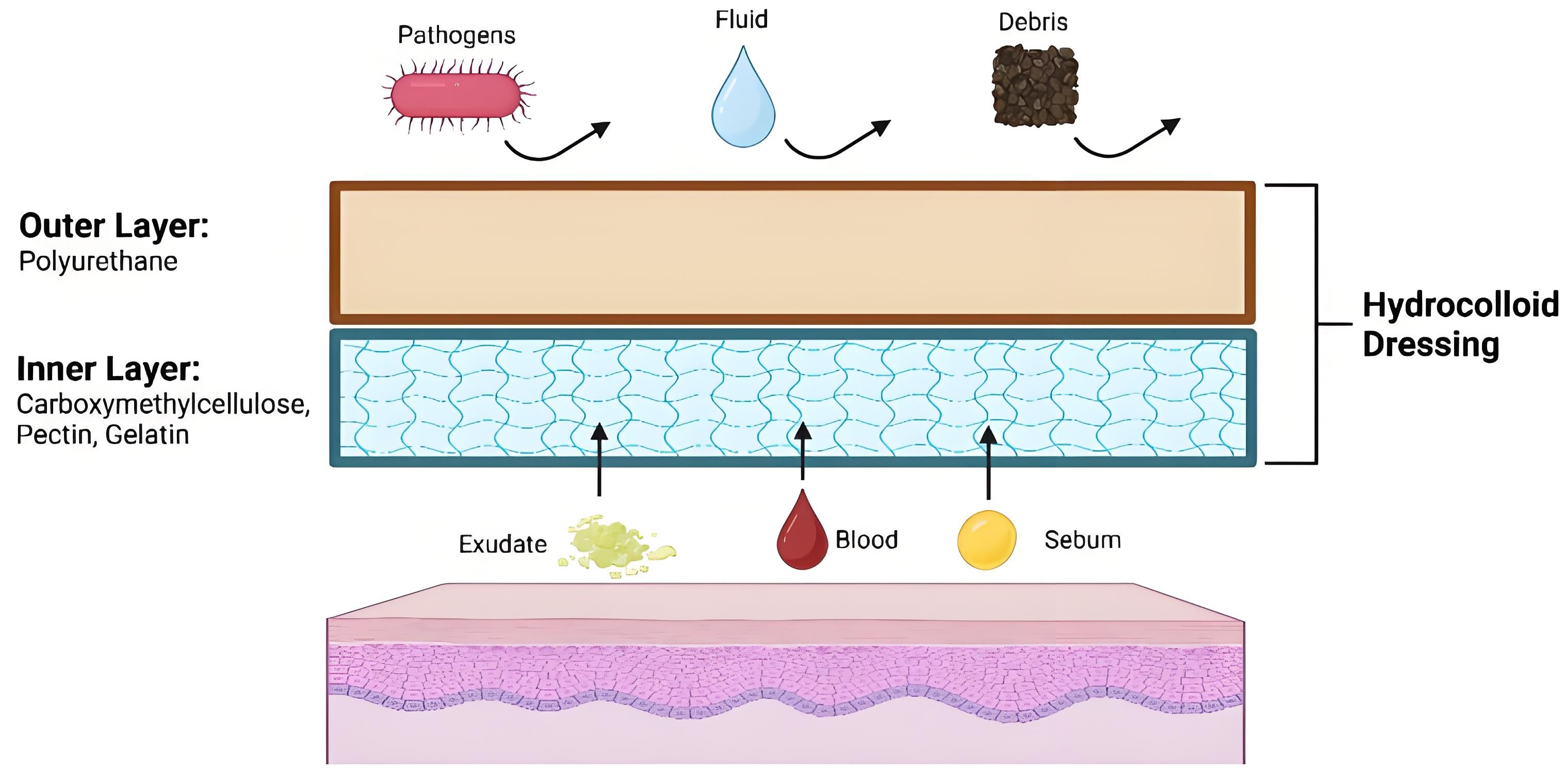
Hydrocolloid patches use a gel-forming wound care material originally developed for medical dressings. The patch contains ingredients such as:
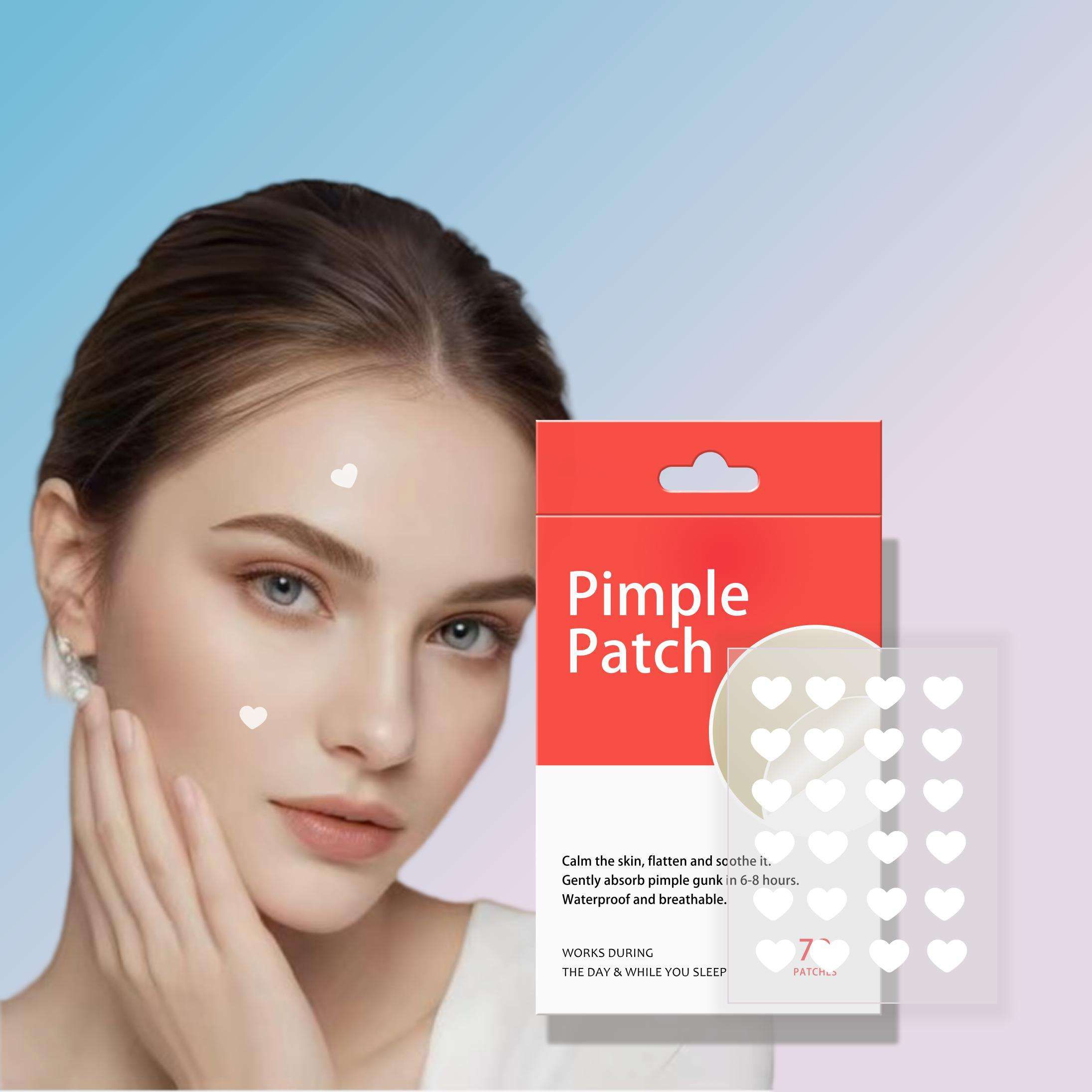
When applied to a pimple, the hydrocolloid material absorbs fluid, oil, and pus, creating a moist healing environment that supports faster skin recovery.
After several hours of wear, the patch typically turns white or opaque as it absorbs fluid — a visible result that many consumers associate with effectiveness.
Best for
Primary benefits
Hydrocolloid patches do not require active ingredients, making them simpler from both formulation and regulatory perspectives.
Salicylic acid patches work through active ingredient delivery rather than fluid absorption.
Salicylic acid is a beta-hydroxy acid (BHA) that is oil-soluble. This allows it to penetrate into pores, dissolve excess sebum, and exfoliate dead skin cells.
Best for
Primary benefits
Unlike hydrocolloid patches, salicylic acid patches rely on controlled active ingredient concentrations, which increases formulation complexity.
| Factor | Hydrocolloid Patch | Salicylic Acid Patch |
|---|---|---|
| Mechanism | Absorbs fluid | Delivers active ingredient |
| Best acne stage | Mature / whitehead | Early-stage / inflamed |
| Skin compatibility | All skin types | Best for oily / combination |
| Wear time | 6–12 hours | 6–8 hours |
| Visible result | Patch turns white | Gradual reduction in redness |
| Consumer experience | Immediate visual feedback | Slower but active treatment |
| Regulatory complexity | Usually cosmetic | May be OTC drug (US) |
| Manufacturing complexity | Lower | Higher |
| Typical pricing | Mid-range | Mid to premium |
Regulation is often the most overlooked factor when brands choose between hydrocolloid and salicylic acid patches.
Hydrocolloid patches are generally classified as cosmetics.
Salicylic acid patches may fall under OTC acne drug regulations if they make acne treatment claims.
This requires compliance with:
Both formats are handled through CPNP cosmetic notification, but ingredient restrictions and safety assessments must still comply with EU Cosmetics Regulation.
Brands launching salicylic acid patches in the US should work with a manufacturer experienced in OTC drug compliance, not just cosmetic production.
Typical consumer profile:
Common marketing angles:
Average retail price: $8–15 per pack
Typical consumer profile:
Common marketing angles:
Average retail price: premium positioning
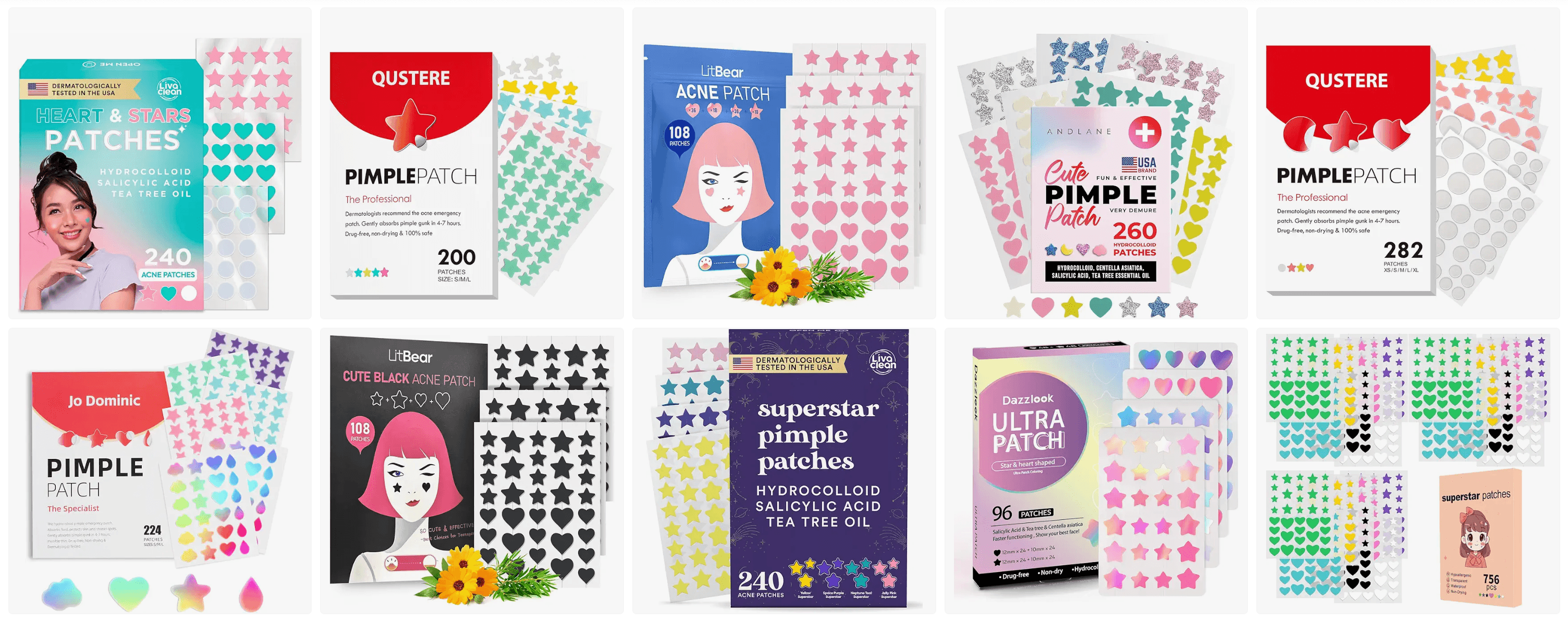
Hydrocolloid patches are usually the lowest-risk entry product.
This approach positions your brand closer to dermatology-based acne treatment products.
Many successful acne patch brands launch a two-product system:
| Product | Purpose |
|---|---|
| Hydrocolloid patch | overnight healing |
| Salicylic acid patch | early-stage treatment |
This increases:
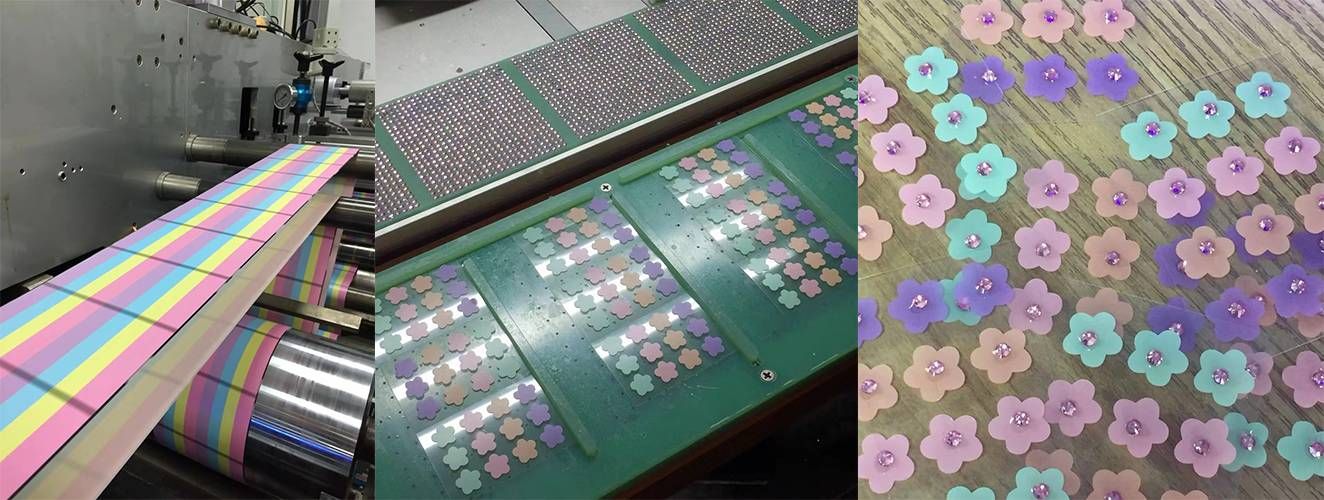
Important production factors:
Manufacturing is more complex due to active ingredients.
Key requirements include:
| Scenario | Recommended Product |
|---|---|
| New brand with limited budget | Hydrocolloid |
| US market entry | Hydrocolloid |
| Clinical skincare positioning | Salicylic acid |
| Established brand expanding line | Both |
| Gen Z focused brand | Hydrocolloid |
| Dermatology positioning | Salicylic acid |
Before selecting a patch format, confirm:
These factors determine which acne patch format best fits your brand strategy.
What is the difference between hydrocolloid and salicylic acid patches?
Hydrocolloid patches absorb fluid from pimples and protect the skin, while salicylic acid patches deliver an active ingredient that penetrates pores and treats acne chemically.
Which acne patch is better for new brands?
Hydrocolloid patches are typically easier for new brands because they have lower regulatory complexity and simpler manufacturing requirements.
Can acne patches be customized for private label brands?
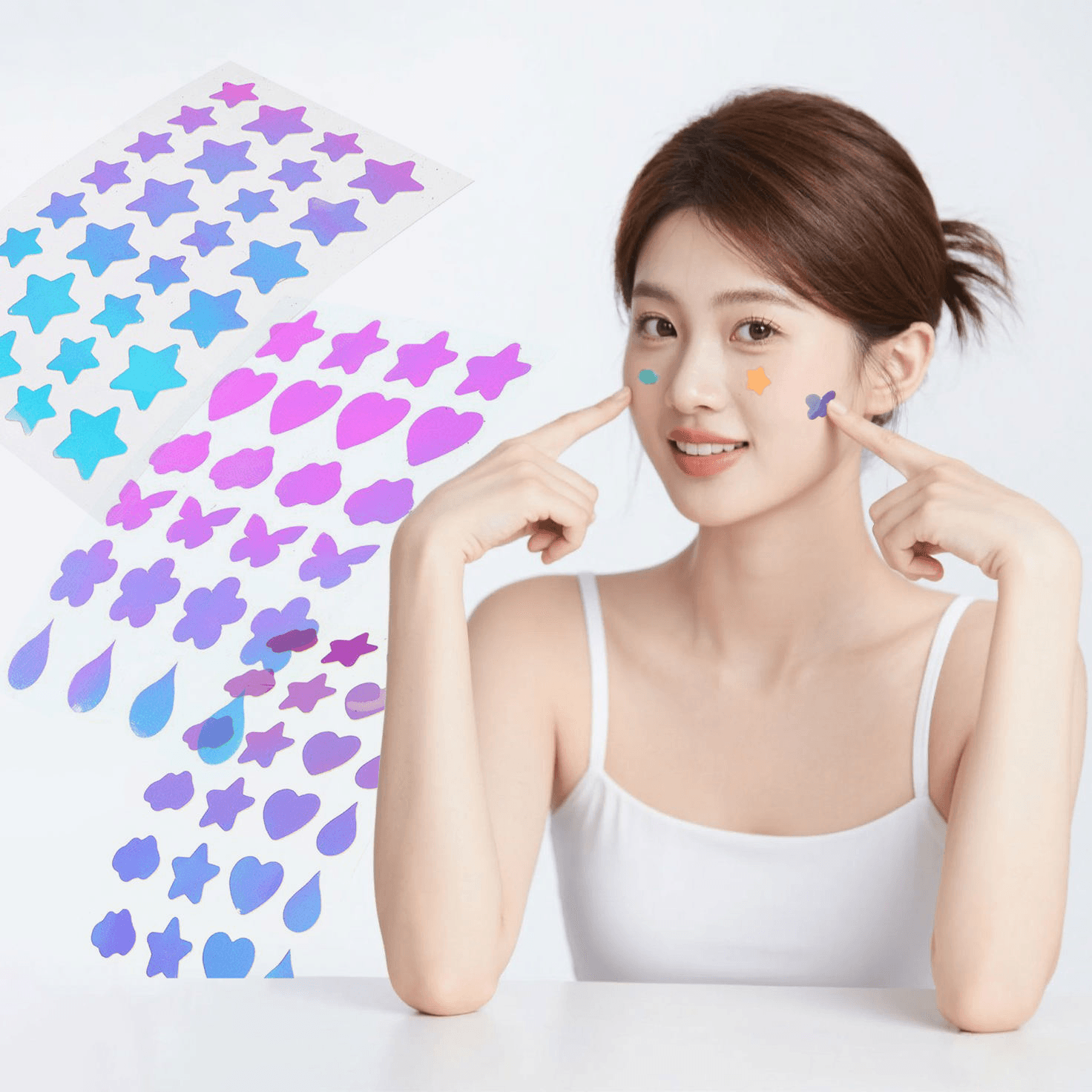
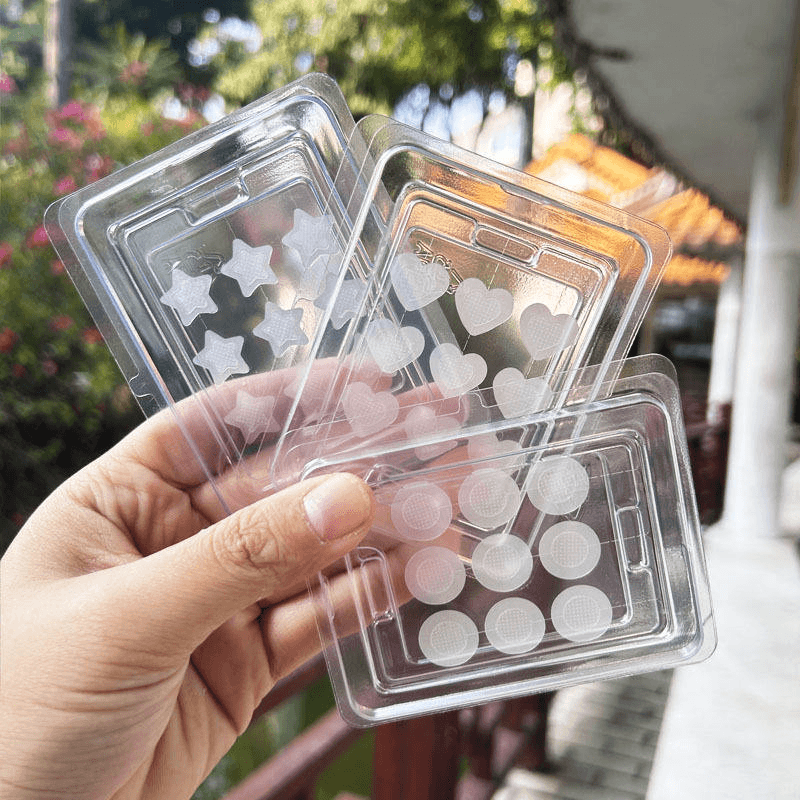
Yes. Manufacturers can customize patch shape, thickness, active ingredients, packaging, and branding for private label acne patch products.
VEILTA manufactures hydrocolloid and salicylic acid pimple patches for private label skincare brands worldwide.
Our facilities are ISO 22716, FDA, and CPNP certified, and we support clients with:
Ready to start your acne patch line?
Send us a product brief →
https://veilta.com/en/contact
Browse acne patch formats →
https://veilta.com/en/products