
How Long to Leave a Pimple Patch On: A Manufacturer's Guide
VEILTA
09/11/2025
The short answer: 6 to 8 hours — or overnight — for most hydrocolloid pimple patches. But the right wear time depends on which type of patch you're using, what stage your breakout is at, and whether you're wearing it during the day or while you sleep.
Getting the timing wrong is the most common reason pimple patches seem to "not work." Remove it after two hours and you're pulling it off before it has absorbed anything meaningful. Wear a medicated patch all day and you risk irritating your skin. This guide walks through wear time by patch type, the visual signals to watch for, and exactly when to replace.
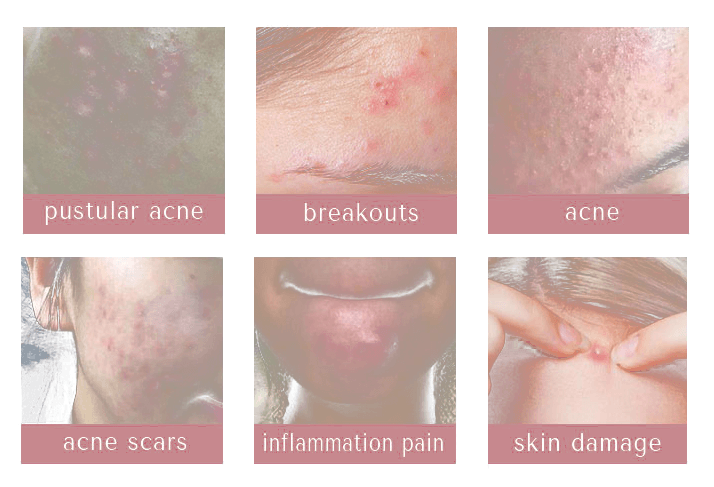
Applying a pimple patch helps protect and heal breakouts faster.
What Is a Pimple Patch and How Does It Work?
 Hydrocolloid patches absorb impurities and create a moist healing environment.
Pimple patches — also called acne patches or hydrocolloid patches — are small adhesive stickers applied directly to a breakout. They work by:
- Absorbing pus, oil, and excess fluid from the pimple
- Creating a moist, sealed environment that accelerates healing
- Preventing you from touching or picking the blemish
According to the American Academy of Dermatology, avoiding picking at acne is one of the most important steps in reducing scarring — which is where the barrier function of a patch becomes especially valuable.
The hydrocolloid material is key: it's the same material used in wound care dressings, and it's been clinically studied for its ability to absorb fluid while keeping the wound environment moist. A 2006 study published in the Journal of the European Academy of Dermatology and Venereology found that hydrocolloid dressings significantly reduced healing time for superficial skin lesions compared to air-exposed wounds — the same principle that makes pimple patches effective.
A note from VEILTA's formulation team: Based on our manufacturing and material testing across hydrocolloid patch batches, the hydrocolloid polymer reaches approximately 80–85% of its maximum fluid absorption capacity within the first 6 hours of wear. This is why the 6-hour minimum is not arbitrary — it reflects the actual absorption curve of the material. Wearing the patch for less than 4 hours means removing it before the majority of absorption has taken place. As of 2026, this holds consistent across standard-density hydrocolloid formulas used in most consumer acne patches.
How Long to Leave a Pimple Patch On: By Patch Type
The ideal wear time varies significantly depending on what kind of patch you're using. Using the wrong duration is the most common usage mistake.
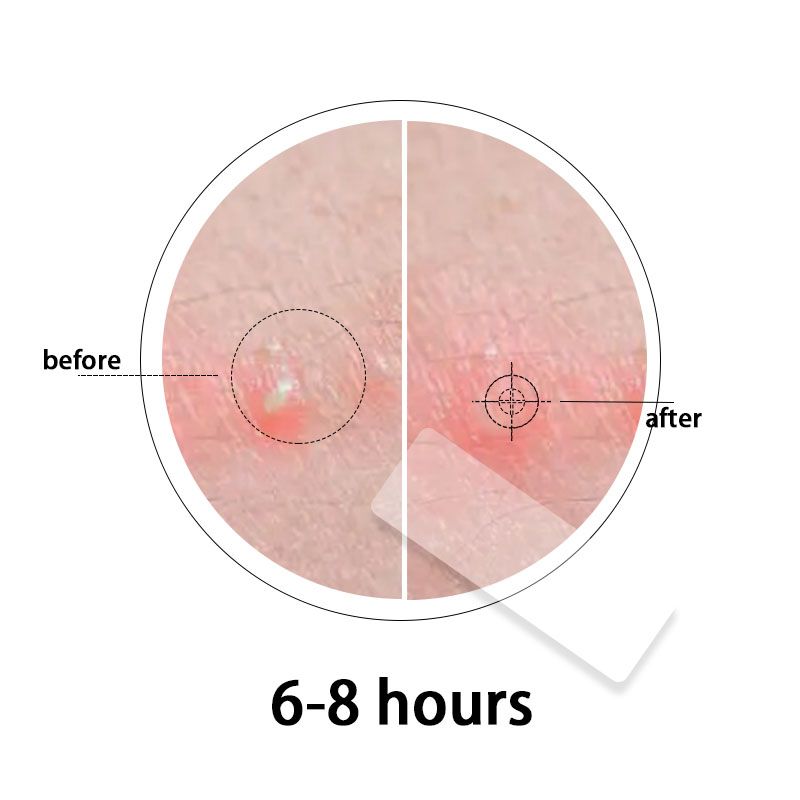 For best results, leave a standard hydrocolloid pimple patch on for at least 6–8 hours.
Standard Hydrocolloid Patch
Recommended wear time: 6–8 hours or overnight
This is the most common type — the translucent round sticker that turns white as it works. Leave it on for a minimum of 6 hours; overnight (8–10 hours) is ideal. The patch can technically be worn up to 12 hours without issue, as once saturated it simply acts as a protective cover.
- Daytime: Apply to clean, dry skin and wear for at least 6 hours before replacing
- Overnight: Apply before bed and remove in the morning — this is the highest-efficacy use pattern
Salicylic Acid (Medicated) Patch
Recommended wear time: 4–6 hours maximum
Medicated patches contain active ingredients — typically salicylic acid (0.5–2%) — that exfoliate and unclog pores. Because SA is a keratolytic agent, wearing these patches longer than recommended can cause dryness, peeling, or redness, especially on sensitive skin.
Do not use medicated patches on open or broken skin. If you experience any redness or burning, remove immediately.
Microneedle Dissolving Patch
Recommended wear time: 2–4 hours
Microneedle patches use tiny dissolving needles to deliver active ingredients — such as salicylic acid, niacinamide, or peptides — directly into the skin. The needles dissolve within 2–4 hours, completing their delivery. Wearing the patch longer does not increase efficacy once the needles have dissolved.
Daytime Invisible (Ultra-Thin) Patch
Recommended wear time: 4–8 hours
Ultra-thin patches are designed to be worn under makeup or alone during the day. They offer lighter absorption than thicker overnight patches but provide the protective and anti-picking barrier. Replace when the patch starts to lift or after 8 hours.
Wear time also varies depending on your skin type — oily skin can shorten adhesion duration, while dry or sensitive skin responds differently to medicated formats. For a deeper breakdown by skin type, see our complete pimple patch wear time guide →
Pimple Patch Wear Time: Quick Reference Table
| Patch Type | Recommended Wear Time | Maximum | Key Signal to Replace |
|---|---|---|---|
| Standard hydrocolloid | 6–8 hrs or overnight | 12 hrs | Turns white / opaque |
| Salicylic acid (medicated) | 4–6 hrs | 6 hrs — do not exceed | Time limit (not color) |
| Microneedle dissolving | 2–4 hrs | 4 hrs | Time limit |
| Daytime invisible | 4–8 hrs | 8–10 hrs | Lifting edges |
| Overnight repair | 6–8 hrs or overnight | Overnight | Morning removal |
How Long to Leave a Pimple Patch On: Reading the White Color Signal
Rule of thumb: Replace the patch when it turns white or opaque — this means it has absorbed fluid and impurities from the breakout.
The color change is the most reliable visual cue for hydrocolloid patches. As the patch absorbs pus, oil, and wound fluid, the translucent material becomes white or cloudy. A significantly domed, white patch at hour eight means the patch was working throughout.
What if the patch doesn't turn white?
This is common and doesn't mean the patch failed. Smaller, less inflamed breakouts — early-stage papules, closed comedones — produce less fluid. The patch still provides a protective barrier and prevents picking. Replace after your recommended wear time regardless of color change.
Can You Leave a Pimple Patch on Overnight?
 Overnight use allows hydrocolloid patches to work uninterrupted for 6–10 hours.
Yes — and for standard hydrocolloid patches, overnight is actually the recommended approach. While you sleep:
- Skin enters its natural repair cycle, increasing cellular turnover
- The patch has uninterrupted contact without sweat, oil, or makeup interference
- You can't absentmindedly touch or pick the breakout
One practical note: if you sleep on your side, apply to a freshly washed, completely dry area and press firmly for 30 seconds at the edges. This reduces the chance of the patch shifting during sleep.
For medicated patches: overnight use is generally not recommended due to the risk of over-exposure to active ingredients. Use daytime or evening wear with a defined removal time instead.
What Happens If You Remove a Pimple Patch Too Early?
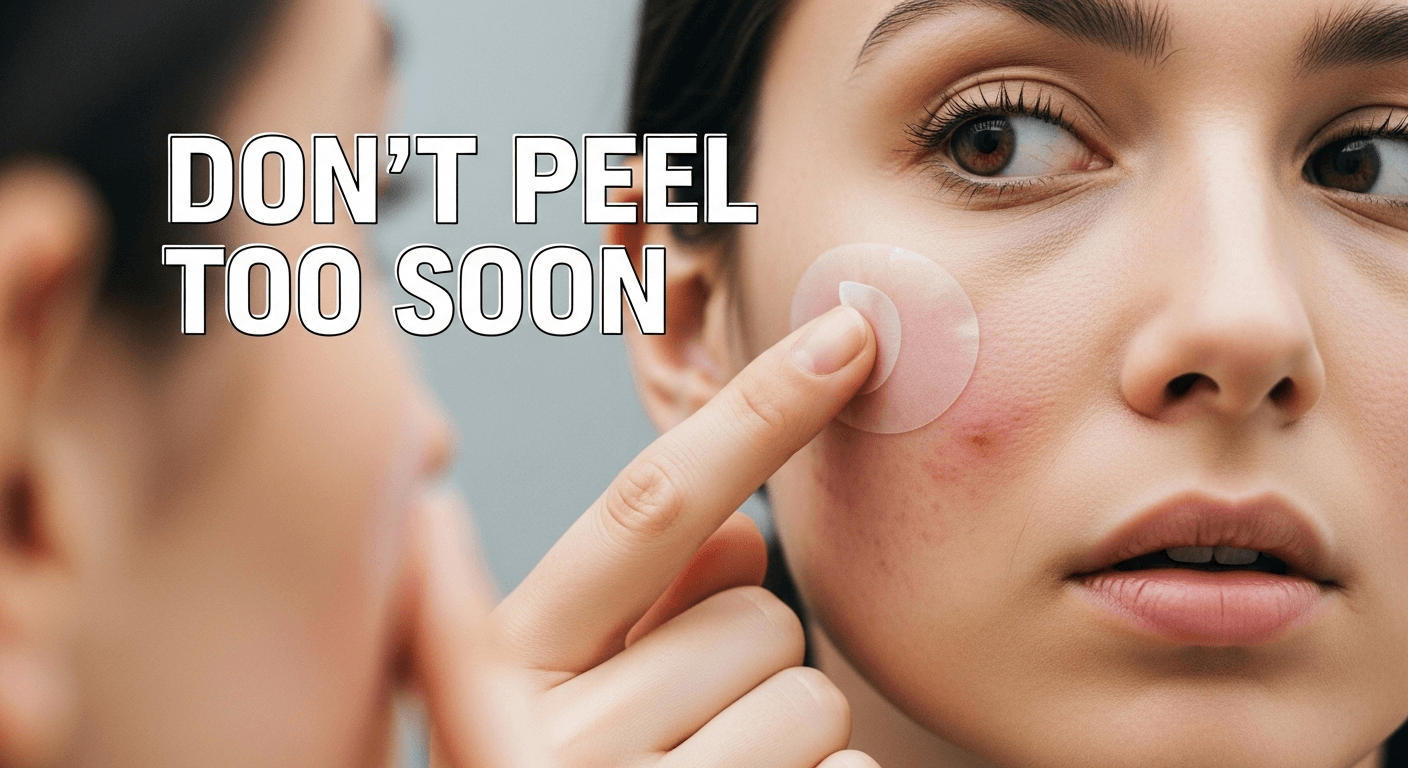 Removing too early means the patch hasn't had enough time to absorb.
This is the most common mistake. Removing a hydrocolloid patch after one or two hours means it likely hasn't had enough contact time to absorb meaningfully. The breakout may still be red and swollen, and without the visual feedback of a white patch, it's easy to conclude the product "didn't work."
If you remove early:
- Apply a fresh patch and give it the full recommended time
- Don't reuse the same patch — it's lost adhesion and partial absorption capacity
- Resist the urge to squeeze after removal; the breakout is still active
How to Use a Pimple Patch for Best Results
Cleanse and Dry Completely Before Applying
Any moisture, oil, or skincare residue on the skin surface will reduce adhesion. Apply to completely dry, clean skin — ideally before any serums, moisturizers, or toners reach that area.
Press Firmly for 30 Seconds
Apply the patch and press firmly from the center outward, holding for at least 30 seconds. This activates the adhesive and removes air gaps that reduce contact.
Choose the Right Patch Type for Your Breakout
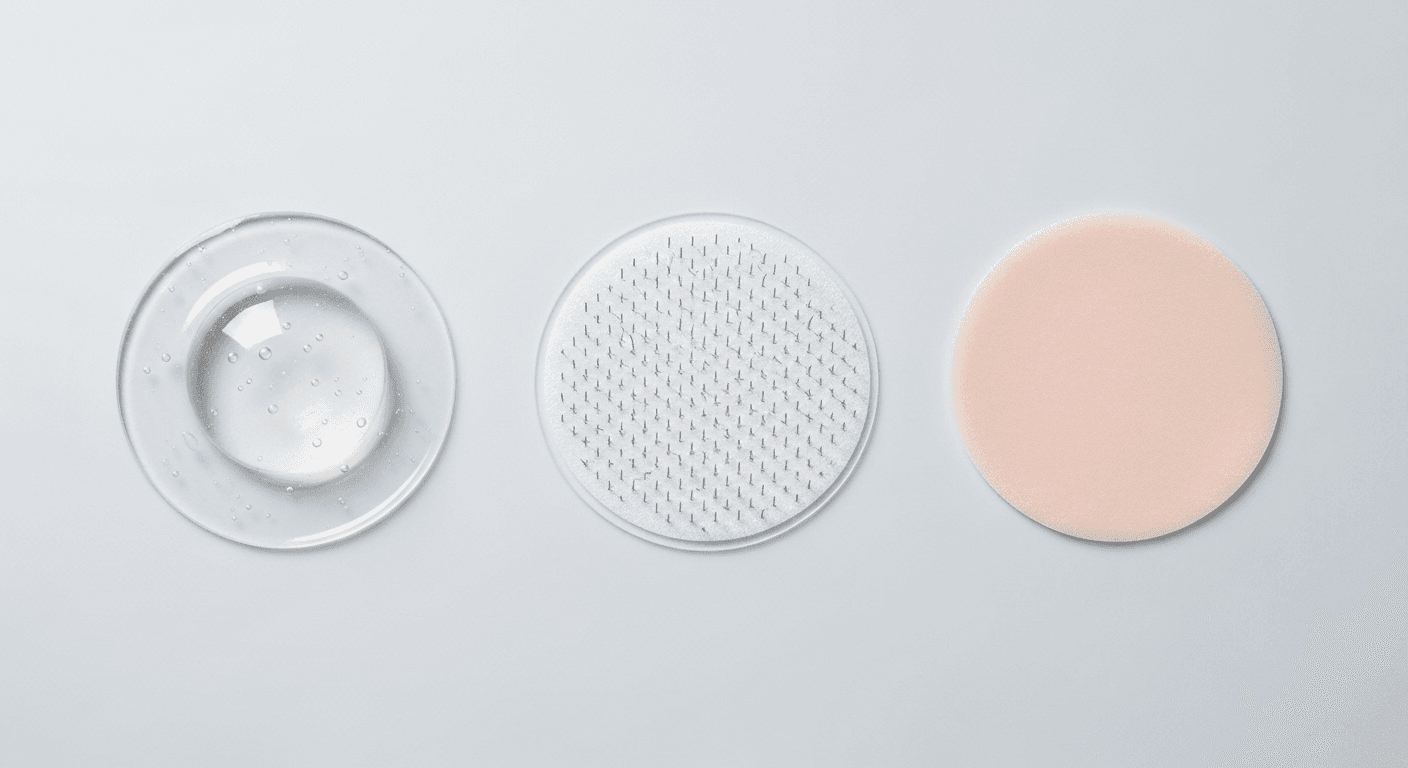 Match the patch type to the breakout stage and your daily schedule.
- Hydrocolloid: Surface-level whiteheads and pustules — the most productive use
- Microneedle: Deeper, cystic-tendency breakouts where surface absorption alone won't reach
- Invisible/ultra-thin: Active breakout you need to protect during the day under makeup
- Medicated (SA): Breakouts with visible clogging or comedones, short wear time
Pimple patches are less effective on blackheads, deeply cystic nodules, or flat post-acne marks — these require different treatments.
Don't Stack Skincare Under the Patch
Applying serums or acids under the patch area reduces adhesion and may cause unexpected ingredient interactions. Apply the patch first, then work your skincare routine around it.
Common Mistakes to Avoid
| Mistake | Why It Matters | What to Do Instead |
|---|---|---|
| Removing after 1–2 hours | Too short for meaningful absorption | Commit to at least 6 hours |
| Applying to damp or oily skin | Patch won't adhere properly | Pat completely dry; no products underneath |
| Using on blackheads | Hydrocolloid works on fluid, not plugged pores | Use BHA exfoliant instead |
| Wearing medicated patch overnight | SA can over-exfoliate and irritate | Max 6 hours for medicated types |
| Peeling off forcefully | Can pull surrounding skin | Wet the edge slightly to loosen adhesive |
| Expecting same results on all breakout types | Mechanism only works on fluid-producing pimples | Match patch type to breakout stage |
Frequently Asked Questions
How long should you leave a pimple patch on?
For standard hydrocolloid patches, leave on 6–8 hours or overnight. Salicylic acid medicated patches should not exceed 6 hours. Microneedle dissolving patches work within 2–4 hours. Daytime invisible patches can be worn 4–8 hours. The universal signal to replace: when the patch turns white or opaque, it has absorbed as much as it can.
Can you leave a pimple patch on for too long?
For plain hydrocolloid patches, wearing up to 12 hours is generally safe — the patch simply stops absorbing once saturated and acts as a protective cover. For medicated patches containing salicylic acid or other active ingredients, exceeding the recommended wear time can cause dryness, redness, or irritation. Always check your specific patch's instructions.
What happens if you leave a pimple patch on overnight?
Overnight wear (6–10 hours) is actually the recommended usage for most hydrocolloid patches. While you sleep, your skin is in repair mode and less likely to sweat or produce oil that could dislodge the patch. In the morning, the patch will typically appear white — a sign it absorbed impurities throughout the night.
Why didn't my pimple patch turn white?
A patch that doesn't turn white isn't necessarily ineffective. Smaller, less inflamed breakouts — including closed comedones and early-stage pimples — produce less fluid to absorb, so the color change is minimal or absent. The patch still creates a protective barrier and prevents touching. Replace after your recommended wear time even if the color change is subtle.
Should you wear a pimple patch during the day or overnight?
Both work — but for different reasons. Overnight wear maximizes uninterrupted contact time and eliminates adhesion issues from sweating or makeup. Daytime wear with an ultra-thin invisible patch works well for protecting a breakout and preventing touching. For best results, use an overnight session for the main treatment and a daytime patch for continued protection.
How long should you leave a pimple patch on for sensitive skin?
For sensitive skin, stick to the lower end of the recommended range — 6 hours rather than overnight for standard hydrocolloid patches. Avoid medicated (salicylic acid) patches entirely unless your dermatologist recommends them, as SA increases the risk of dryness and redness on sensitive skin. If you notice any irritation at the patch edges after removal, reduce wear time on subsequent applications.
Do pimple patches work on cystic acne, and how long should you wear them?
Standard hydrocolloid patches are not effective on cystic acne — cystic breakouts are deep nodules without a surface opening, so there is no fluid for the patch to absorb. For cystic acne, microneedle patches are the more appropriate format (wear 2–4 hours for active ingredient delivery). For surface-level pustules and whiteheads, standard hydrocolloid worn 6–8 hours remains the most effective option.

Consistent and correct use of pimple patches leads to smoother, clearer skin.
Pimple patches work best when worn for the right amount of time — at least 6 hours for standard hydrocolloid, less for medicated or microneedle formats. The white color change is your most reliable signal, but time is your fallback. Apply to clean, dry skin, commit to the full recommended duration, and replace when saturated rather than reusing.